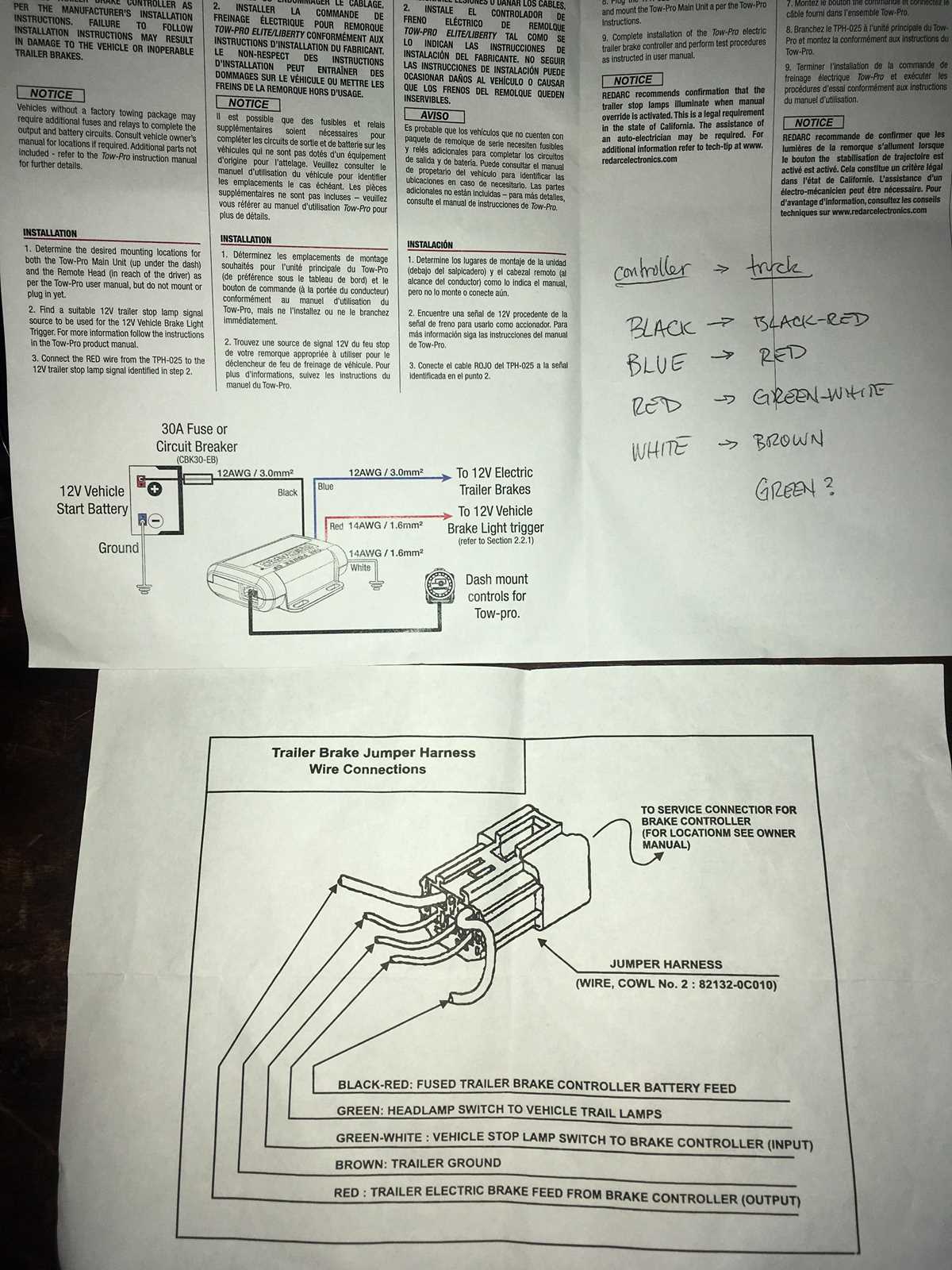
Begin by ensuring the correct connection of the power wires from the vehicle’s main electrical system to the activation mechanism. This ensures the system receives the necessary signal for safe stopping power. Use high-quality connectors and securely fasten all terminals to avoid weak connections, which could lead to malfunction or failure under load.
When installing, prioritize using appropriately sized cables to handle the expected current. If the wires are too small, they can overheat, potentially damaging the entire setup. Check the system’s voltage ratings and ensure compatibility with the components you are using to avoid damaging sensitive parts of the mechanism.
After the physical connections are made, always test the system with a multimeter before fully powering on the vehicle. Verify that the electrical connections show proper voltage and current, ensuring everything is functioning as intended. This step is crucial to preventing failures during operation and ensuring safety on the road.
Wiring Setup for Brake Activation System
Start by connecting the power supply to the activation mechanism. The positive wire from the power source should be connected to the positive terminal of the device, while the negative terminal should be linked to the vehicle’s chassis ground. This configuration is necessary for powering the system and transmitting signals to engage the stopping mechanism as required.
Wire Gauge Selection
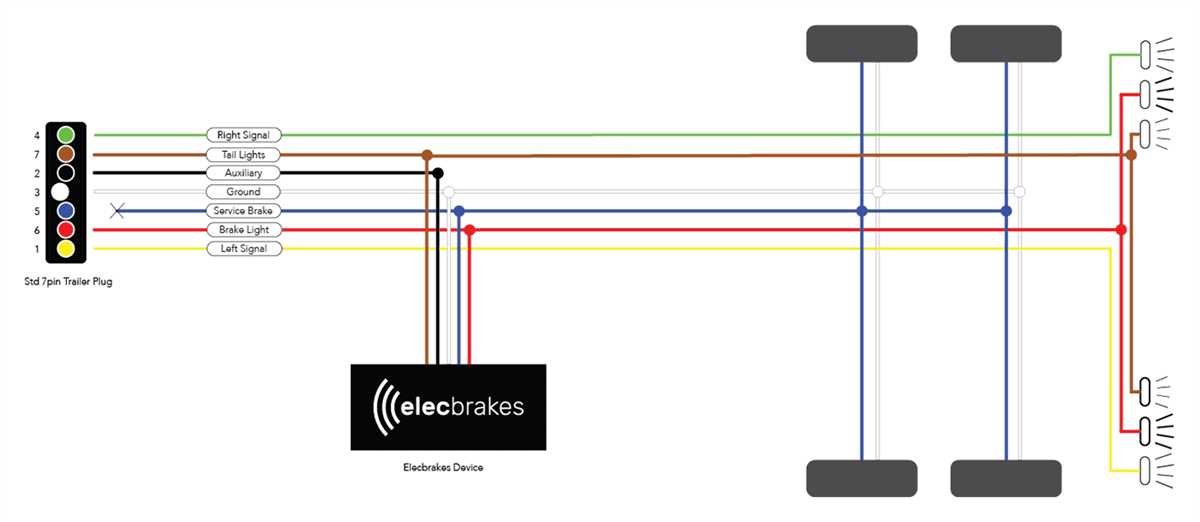
Choose the right gauge for the power cables. Thicker cables (such as 10-12 gauge) are better suited for systems that require handling high currents. Using thinner cables may lead to increased resistance, heat generation, and possible system failure. Always refer to the component manufacturer’s recommendations to avoid any issues during operation.
Protecting the Circuit
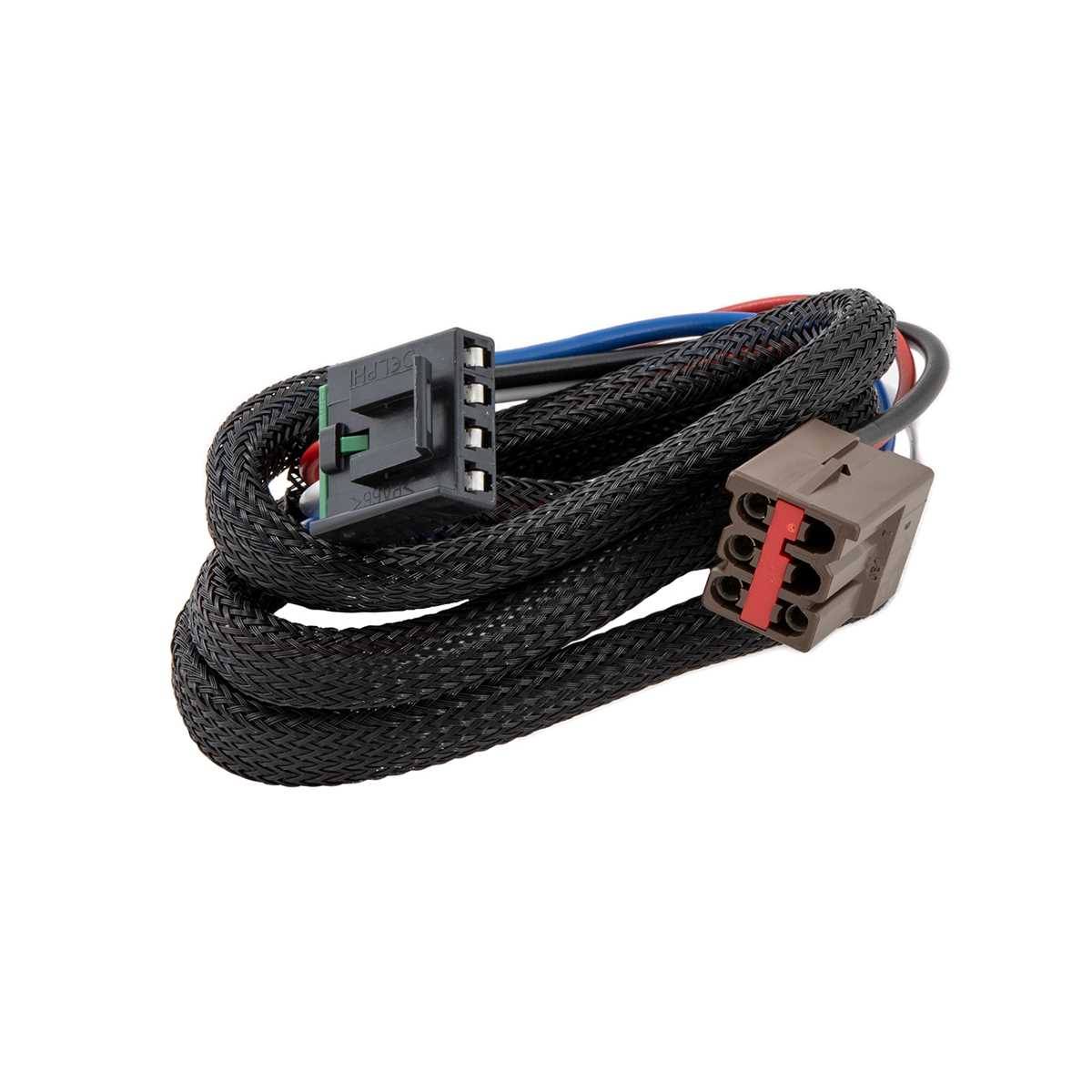
Install a fuse or circuit breaker in the power line to protect the system from electrical overloads. This simple safety measure helps prevent damage to the electrical components in case of sudden spikes or short circuits. Ensure that the fuse rating matches the current requirements of your setup to provide adequate protection.
After making all connections, check the system with a multimeter to ensure the correct voltage and current are being delivered. This final check will help identify any potential issues before activating the system and ensure everything is working properly. If any irregularities are found, address them before using the system on the road.
Step-by-Step Instructions for Connecting a Brake System
First, identify the power source and connect the positive wire to the input terminal of the activation unit. The negative wire should be connected to the vehicle’s ground to complete the circuit. Ensure the connections are tight and secure to prevent any interruptions during operation.
Next, connect the output terminal of the unit to the vehicle’s stopping mechanism. This will enable the system to transmit the necessary signals to engage the stopping action when activated. Be cautious to connect the correct terminals to avoid malfunction.
Choose the right gauge cable for each connection, considering the expected current load. For most systems, using a 10-12 gauge wire is typically sufficient, but always consult the component specifications to avoid any damage due to overheating or excess resistance.
After making all necessary connections, check for continuity using a multimeter. This will ensure that each wire and connection is functioning properly, allowing you to identify any faulty connections or possible issues before using the system.
Finally, once all tests are complete and the setup is verified, proceed to install a fuse or circuit breaker for added protection. This ensures that if the system experiences a surge or overload, the fuse will blow, preventing damage to the components and safeguarding the vehicle’s electrical system.