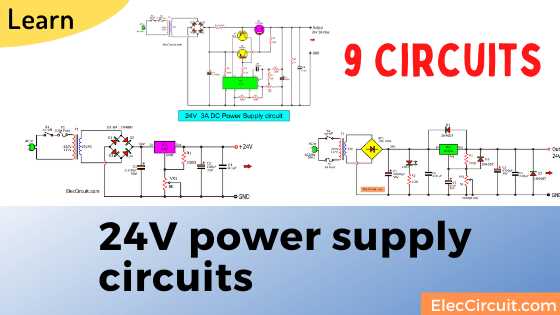
Use a high-quality transformer rated slightly above 24 volts to handle voltage fluctuations and prevent overheating during continuous operation. Ensure the secondary winding matches the expected load current for reliable performance.
Include a bridge rectifier with sufficient amperage rating to convert alternating input to direct output without excessive ripple. Choose components with low forward voltage drop for minimal energy loss and stable voltage under varying loads.
Add capacitors with appropriate capacitance and voltage rating immediately after the rectifier to smooth fluctuations. Electrolytic types rated at least 35% above the peak output voltage reduce voltage spikes and improve load handling.
Integrate a voltage regulator capable of 24 volts output to maintain a constant level despite load variations. Select models with built-in thermal protection and overcurrent cutoff to prevent component damage during short circuits or overload conditions.
Step by Step Construction of a 24VDC Power Module
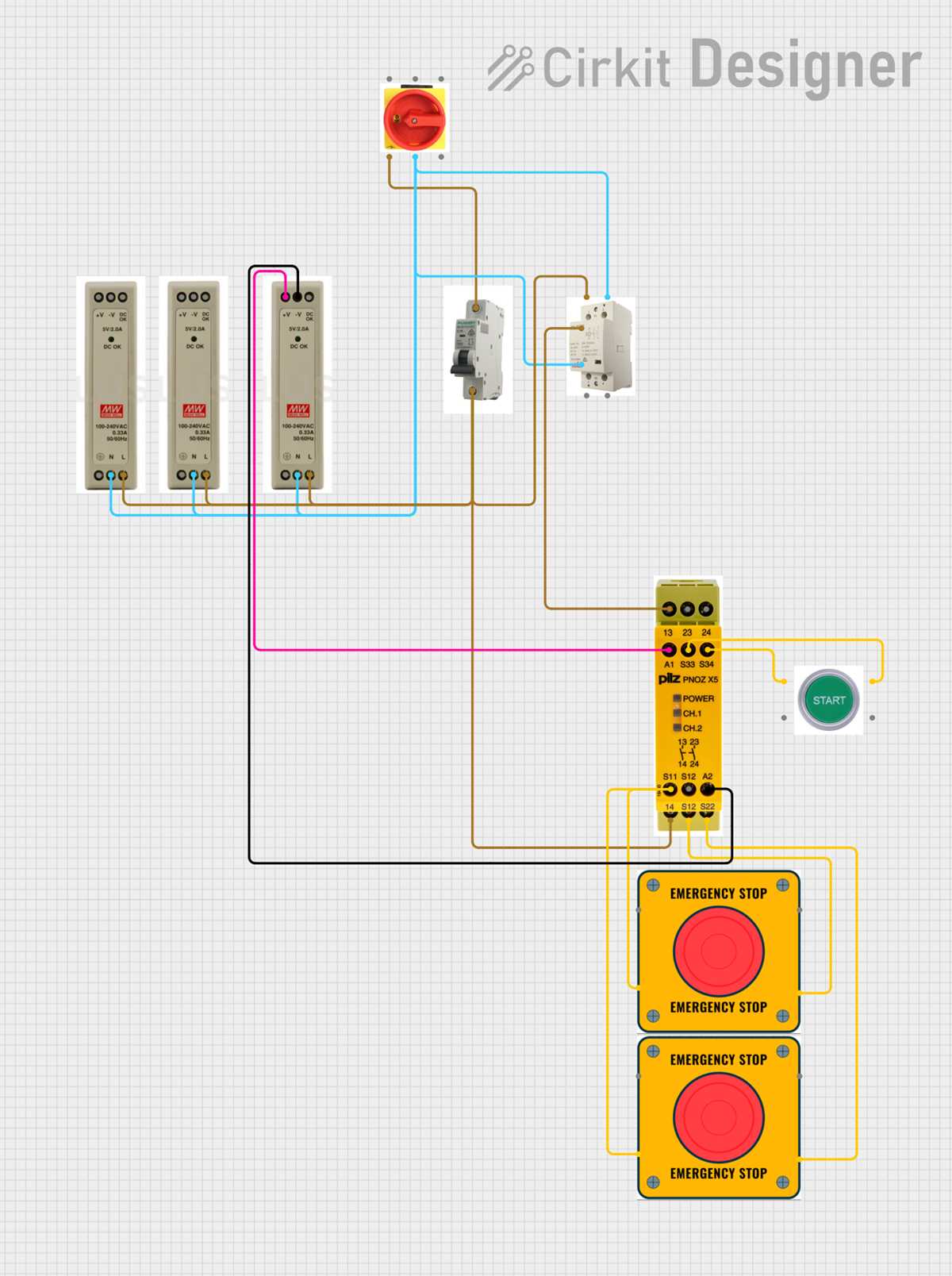
Begin with selecting a transformer rated for slightly higher than 24 volts AC to accommodate voltage drops under load. Secure it on a stable board and ensure primary connections follow safety regulations to prevent accidental short circuits.
Install a full-wave rectifier using diodes rated for the maximum expected current and arrange them to minimize lead length, reducing resistance and heat buildup. Test the rectified output with a multimeter before adding smoothing components to verify correct polarity.
Add filtering capacitors and a voltage regulator to stabilize the DC output. Use capacitors with at least 35% higher voltage tolerance than the peak DC value and position the regulator with a heat sink to maintain consistent 24-volt output under fluctuating loads.
Selecting Components for Stable Voltage Output
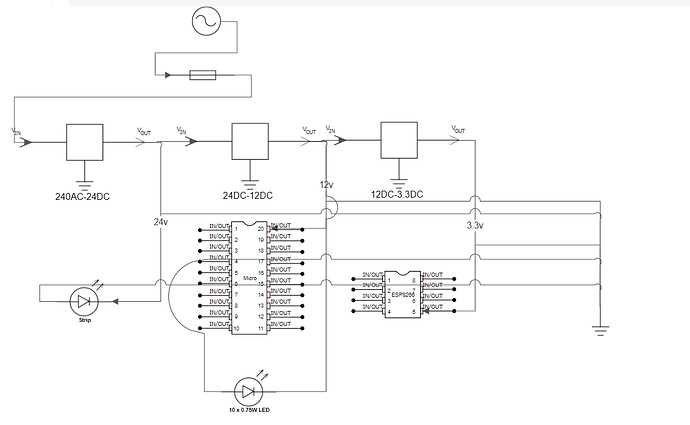
Choose a transformer with minimal voltage drop under load to maintain consistent DC levels. Ensure the primary and secondary ratings exceed expected operating currents to prevent overheating and voltage fluctuations.
Use rectifiers and regulators rated for currents 20–30% higher than your maximum load. Opt for low-drop voltage regulators and pair them with electrolytic capacitors of at least 50% higher voltage rating than the peak DC value. This setup reduces ripple and maintains a stable output during transient loads.
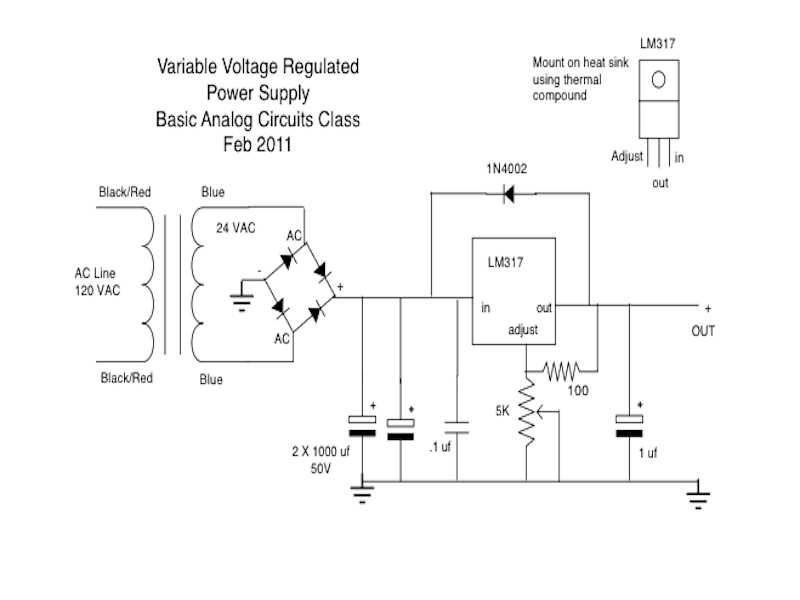
Include additional filtering and protection components such as ceramic capacitors across regulator inputs, and a fuse or PTC resettable device on the transformer secondary. Arrange components to minimize lead length and heat accumulation, ensuring reliable long-term operation and consistent voltage delivery.