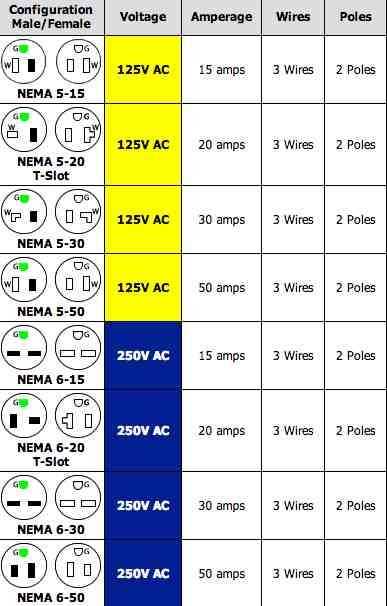
When connecting a high-voltage system, it’s important to use proper procedures to ensure safety and functionality. The connections between the wires, terminals, and the power supply are crucial for ensuring that the system operates correctly. Understanding the correct wiring and the role of each part is necessary for avoiding potential hazards.
The key elements in a high-voltage connection include the correct gauge of wire, a secure grounding mechanism, and ensuring that each connection is properly insulated. Always double-check for the correct terminal orientation and compatibility with the device you are wiring. Avoid making any shortcuts with insulation or wire connections to minimize the risk of shock or fire hazards.
It’s also advisable to use a voltage tester before powering up the system to confirm that the wiring is secure and there is no risk of electrical leakage. Follow the safety guidelines outlined for your specific device, and consult the manufacturer’s specifications to ensure compatibility between the power sources and components. If you’re not confident with electrical work, seeking assistance from a licensed electrician can prevent costly and dangerous mistakes.
220 AC Plug Wiring Guide
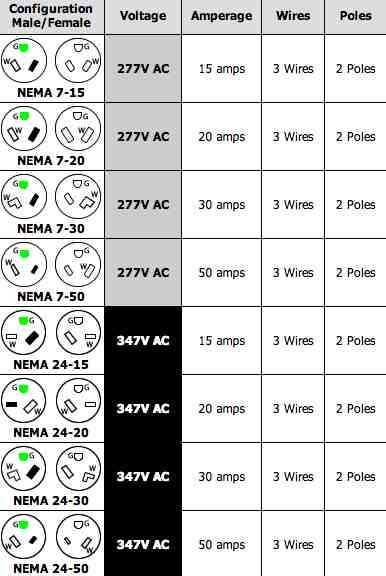
Start by selecting the right type of cable based on the amperage requirement. For most high-power appliances, a 10 or 12 gauge wire is recommended. Ensure that the wire insulation is rated for the intended use and the environmental conditions it will be exposed to, such as heat or moisture.
Ensure the power source is turned off before starting the connection. This is a crucial step to prevent electrical shock or damage. Always use a voltage tester to confirm that no current is flowing before beginning any work.
The most common configuration for a high-voltage connection includes three components: a hot wire, a neutral wire, and a ground wire. The hot wire carries the current from the power source, while the neutral wire completes the circuit and the ground wire provides a safety path in case of a fault.
Connect the ground wire securely to the metal frame of the appliance. This connection ensures that in case of a short circuit or fault, the excess current will flow safely to the ground, preventing damage or injury.
When connecting the wires to the terminals, make sure to strip the wire ends properly. Only expose enough of the conductor to make a secure connection, leaving the rest of the insulation intact to prevent accidental contact with other surfaces.
For secure connections, tighten the terminal screws firmly. Loose connections can cause overheating, arcing, or fires. Make sure that the wire is fully inserted into the terminal and that no copper is exposed beyond the screw’s grip.
Double-check the entire setup once all connections are made. Ensure that each wire is connected to its corresponding terminal, the ground is secure, and there are no exposed areas where wires could come into contact with each other or conductive surfaces.
After the installation is complete, turn the power back on and test the connection with a voltage tester. If everything is functioning correctly, the appliance should work as intended without any issues. If problems arise, recheck the wiring to ensure all steps were followed correctly.
Identifying the Components of a 220 AC Plug
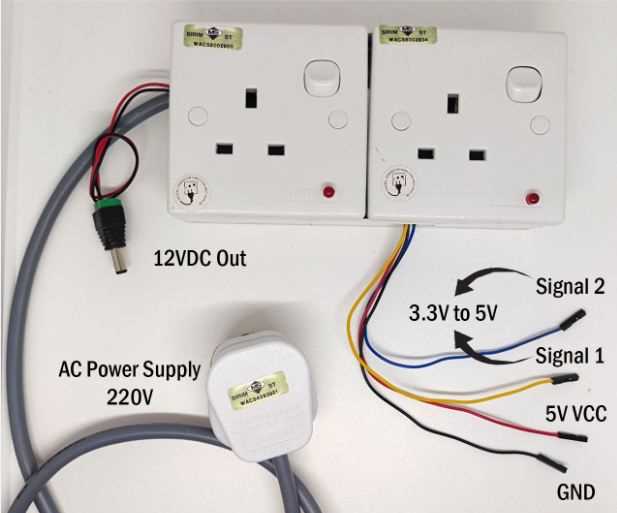
The first component to identify is the live (hot) terminal, which is responsible for delivering the current to the device. It is typically marked with an “L” and is connected to the wire that carries the current from the power source.
Next, locate the neutral terminal, usually marked with an “N”. This terminal completes the circuit by providing a return path for the current to the source. It is just as important as the live terminal for the proper functioning of the connection.
The ground terminal is an additional safety feature, designed to redirect any stray current that could result from faulty equipment. It is typically connected to the grounding system, protecting users from electrical shocks. The ground terminal is often marked with a ground symbol or the number “G” in many plug designs.
In terms of physical structure, the plug housing should be durable and well-insulated to protect the user and prevent any external electrical contact. The casing also prevents dirt, moisture, and other environmental factors from affecting the internal connections, ensuring long-term reliability.
It’s important to ensure that the internal metal contacts are not corroded or damaged. Oxidation can lead to high resistance, which can cause overheating and, eventually, failure of the device or even a fire hazard. Inspecting the plug regularly can help prevent these issues.
Finally, always confirm the amperage and voltage rating of the plug before use. A mismatch between the plug’s rating and the connected appliance can result in overheating or damage. Always follow the manufacturer’s specifications and ensure the connection is properly suited to the load it will carry.