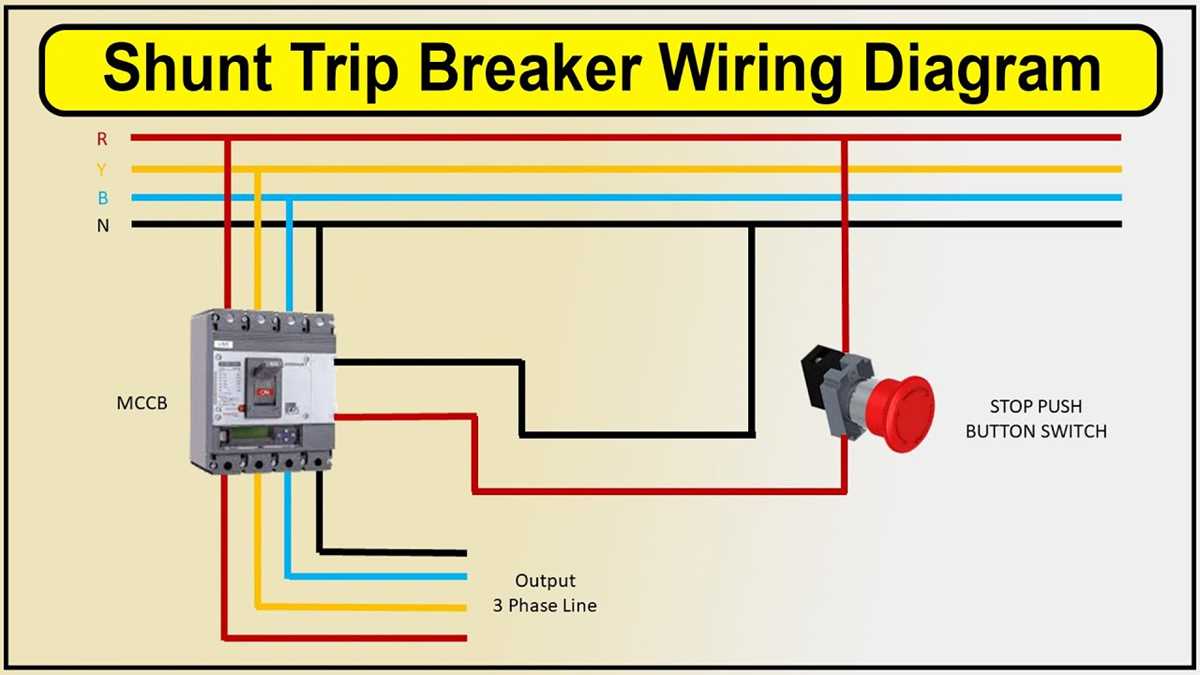
Ensure each line conductor is securely attached to its designated terminal with firm torque to prevent overheating and contact loss during operation.
Use color-coded conductors to maintain clear identification of phases: typically red, yellow, and blue for L1, L2, and L3. This prevents incorrect connections that could trip protective devices or damage equipment.
Verify that incoming power aligns with the load side correctly. Misalignment can create phase reversal, resulting in motors running backward or electronic devices malfunctioning.
Check tightness of all terminals after initial connection and again after the first operational cycle to account for thermal expansion. Loose connections are a leading cause of faults in three-phase systems.
Selecting the Right 3 Unit Protector for Your Electrical Load
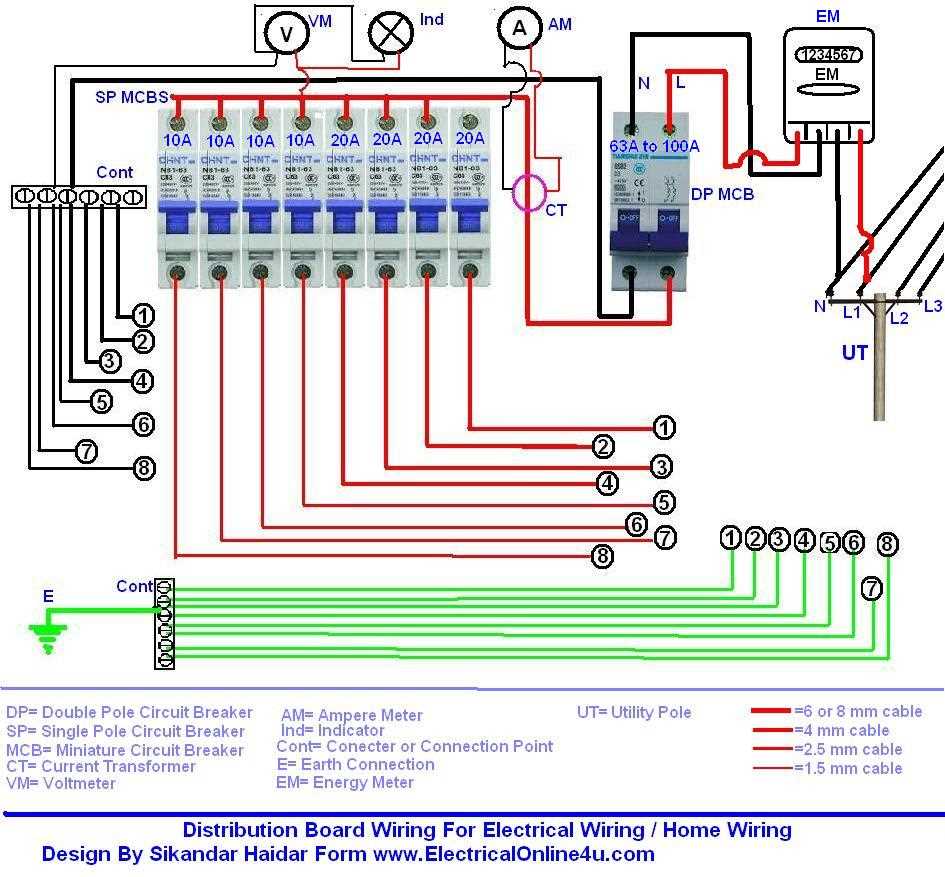
Determine the total current draw of all connected equipment to choose a protective device rated slightly above the combined load. Overrating by 10–20% allows for startup surges without frequent trips.
Check the voltage specification of the distribution system. Ensure the device is compatible with single-phase or three-phase power and the maximum line-to-line voltage.
Consider the type of load. Motors and inductive devices require a protector with an adjustable or delayed response to handle inrush currents without unnecessary interruption.
Evaluate thermal and magnetic characteristics to match both steady-state current and short-circuit protection. Thermal elements handle overloads while magnetic elements respond instantly to high fault currents.
Assess physical dimensions and mounting requirements. Space constraints in distribution boards can influence which model or brand is suitable for installation.
Check the manufacturer’s specifications for breaking capacity to ensure it can safely interrupt fault currents without damage or hazard. Compare this against the maximum prospective fault current of your system.
Use the following table to match typical load types to recommended protective device ratings:
| Load Type | Typical Rating (Amps) | Recommended Model Feature |
|---|---|---|
| Residential lighting | 15–30 | Standard thermal-magnetic |
| Commercial HVAC | 40–80 | Adjustable trip with delayed response |
| Industrial motors | 60–200 | High interrupting capacity with motor protection |
Verify environmental ratings. For damp or dusty areas, select a device with proper enclosure protection such as IP20 or higher to prevent internal damage and maintain reliability.
Document all selected ratings and installation parameters to maintain compliance with safety standards and simplify future maintenance or load modifications.
Connecting Line and Load Terminals Safely and Accurately
Always identify incoming and outgoing conductors before making any connections. Label each wire to avoid confusion between power supply and distribution lines.
Use the correct torque specification for terminal screws. Over-tightening can damage conductors while under-tightening can cause overheating and arcing. Typical torque values range from 20 to 25 lb-in for standard copper wires.
Strip insulation carefully, leaving approximately 10–12 mm of exposed conductor. Ensure no stray strands are present, as they can bridge adjacent terminals and cause short circuits.
Follow a sequential connection method:
- Connect the incoming power lines first to the upper terminals.
- Attach outgoing load lines to the lower terminals.
- Double-check phase sequence for three-phase setups to prevent reversed rotation of motors or unbalanced loads.
Verify all connections using a digital clamp meter or continuity tester before energizing the system. Ensure no continuity exists between line and load points when the protective device is in the off position.
Maintain adequate spacing between adjacent terminals to reduce the risk of flashover. For high-voltage systems, use insulating barriers or heat-shrink tubing to separate live conductors.
Document all terminal assignments and torque settings. Keeping a clear record facilitates troubleshooting, future modifications, and ensures compliance with electrical safety codes.
Testing and Verifying Proper Phase Sequence and Operation
Begin by identifying all three input phases and labeling them clearly. Use a phase rotation tester to confirm the correct sequence before energizing any loads. Incorrect order can damage motors and sensitive equipment.
Measure line-to-line voltages across all three phases. Each pair should read within ±5% of the system nominal voltage. Any significant imbalance indicates a potential connection issue that must be corrected immediately.
Use a clamp meter to monitor current draw on each phase during a controlled energization test. All readings should be similar for balanced loads; discrepancies over 10% may indicate misconnected terminals or internal faults.
Engage protective devices one at a time while observing the operation of connected equipment. Motors should start in the intended rotation direction; if not, swap two phase connections at the input terminals to correct rotation.
Check for abnormal temperature rise at terminals and conductors after initial operation. Elevated heat may point to poor contact, improper torque, or an incorrect sequence that could lead to equipment failure.
Document phase sequence, voltage readings, and current measurements. Keeping a precise record ensures repeatable verification, simplifies troubleshooting, and confirms compliance with electrical safety standards.