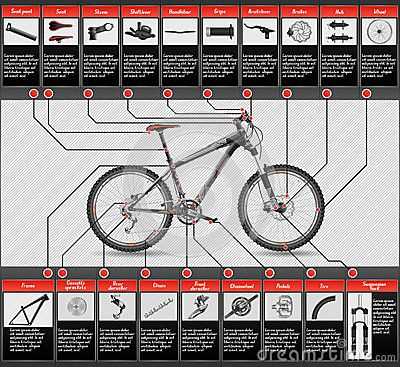
To properly maintain or repair your bicycle, you need a solid understanding of its key components. Familiarizing yourself with each element of the frame, wheels, and drivetrain will save you time and money in the long run. A thorough knowledge of these parts allows for easier troubleshooting and efficient repairs.
The frame, suspension, gears, and brake systems all play critical roles in the bike’s performance. Whether you’re replacing a worn-out chain or adjusting the suspension, identifying each section accurately is crucial. Start by recognizing the main components and how they work together, from the frame’s design to the wheel setup.
Next, understanding the drivetrain components, such as the crankset, chain, and derailleurs, will help when issues arise with shifting or pedaling efficiency. Pay close attention to wear signs and the condition of these parts to ensure optimal functioning. Regularly inspecting the braking systems will also prevent accidents, as faulty brakes can lead to serious consequences.
Components of a Bicycle Explained
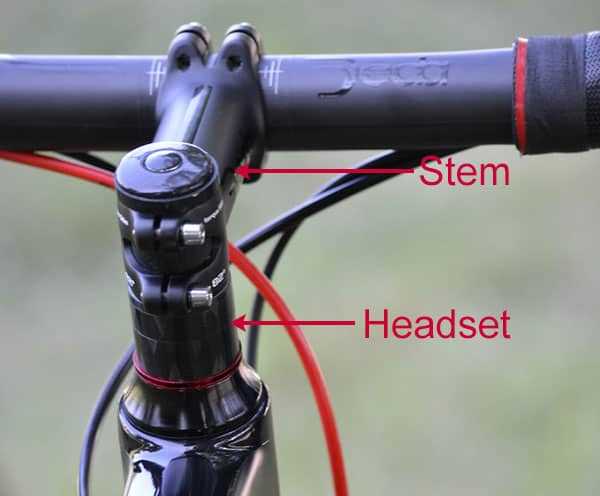
The frame serves as the backbone, supporting all other elements. It is typically made from materials like aluminum, carbon fiber, or steel, offering different strengths and weights. Ensure the frame is durable enough for the terrain you ride on.
The wheelset is critical for handling and performance. It includes the rims, hubs, and spokes. Wheels with wider rims are often used for rougher trails, providing better stability. Regularly inspect the spokes for tightness to avoid wobbling and inefficient rotation.
The drivetrain includes the chain, gears, cranks, and derailleurs. This system controls your pedaling power and allows you to shift speeds. Over time, the chain and gears may wear, affecting performance. Clean and lubricate these parts regularly to prevent excessive wear.
The suspension system absorbs shocks and helps smooth out rough terrain. Front forks and rear shocks vary in design based on the type of terrain. Ensure the suspension settings match your riding style and adjust them according to your weight and trail conditions.
The braking system is key for safety. Disc brakes provide better stopping power on rough terrain. Regularly check the brake pads and fluid levels to maintain efficient braking. If the brakes feel soft or unresponsive, they may need adjustments or replacements.
The handlebars, seat, and pedals make up the contact points between you and the bicycle. Ensure the handlebars are set at a comfortable height, and the saddle is properly adjusted for your riding posture. Pedals should be securely attached and not show signs of wear.
How to Identify the Frame and Suspension Components
To identify the frame, start by examining the shape and material. Most frames are constructed from aluminum, steel, or carbon fiber. Aluminum frames are lightweight and common in off-road bikes, while steel frames offer more durability but are heavier. Carbon fiber provides the best strength-to-weight ratio, ideal for performance models. Look for the manufacturer’s label or serial number, often located near the bottom bracket or rear triangle, which can help confirm the frame’s make and model.
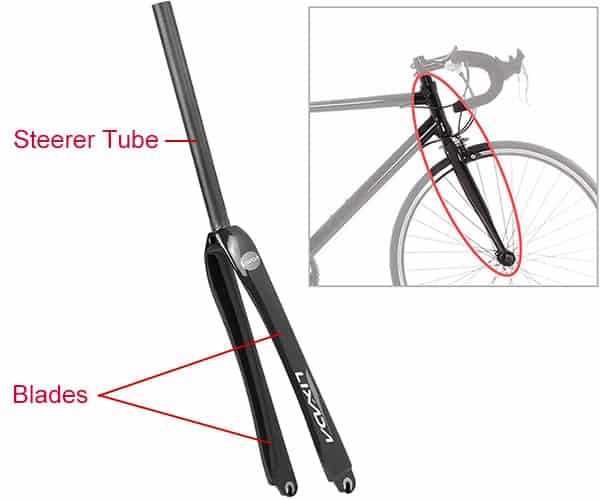
The suspension components consist of the front fork and rear shock. To identify the fork, check the size of the stanchions and the type of travel it provides. Rigid forks offer no suspension, while suspension forks can be recognized by their adjustable spring mechanisms. The rear shock, typically mounted near the rear triangle, is responsible for absorbing impact from rough terrain. Examine the shock for an air valve or coil spring, indicating whether it uses an air or coil spring suspension system.
Check the suspension system’s travel length, which directly affects performance on rough trails. A fork with longer travel will provide better shock absorption, while a shorter travel fork may offer more responsive handling. Pay attention to the type of lockout mechanism, which helps control the suspension’s responsiveness. Some forks and rear shocks also offer adjustable rebound or compression settings for fine-tuning based on riding preferences.
Understanding the Drivetrain and Gear Mechanisms
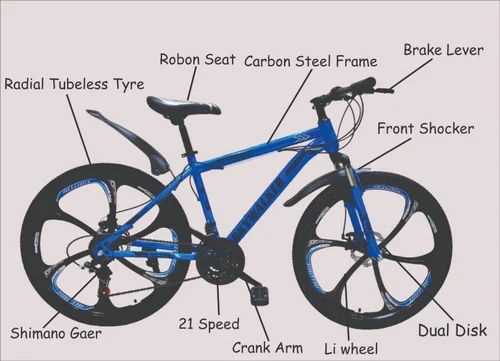
Start by identifying the crankset, which is the core of the gear mechanism. The crankset consists of the chainrings and the crank arms. The number of teeth on the chainrings determines the gear ratio, with larger rings providing higher speeds and smaller rings offering easier pedaling on steep terrain. Check the condition of the chainrings for wear or damage, as they can directly affect shifting performance.
The rear cassette or freewheel houses multiple sprockets, which allow for different gear ratios. To identify the gear setup, count the number of sprockets–most modern systems feature between 8 to 12 speeds. The spacing between these gears is crucial for smooth shifting. If shifting is sluggish or noisy, inspect the cassette for worn teeth that could affect performance.
The derailleur systems–front and rear–manage the movement of the chain between the chainrings and cassette. The front derailleur moves the chain across the chainrings, while the rear derailleur shifts between the sprockets of the cassette. Ensure that the derailleur is properly aligned and that the hanger is not bent, as this can cause poor shifting. Regularly clean the derailleur to avoid debris buildup that can hinder its function.
Finally, the shifters allow you to change gears. These are usually integrated into the handlebars or placed on the grips. They operate through cables or electronically. Check for proper cable tension and smooth operation. If shifting feels stiff or inaccurate, the cables may need adjustment or replacement.
Identifying the Brake Systems and Wheels on a Mountain Bike
Start by checking the brake type: rim brakes or disc brakes. Rim brakes are positioned on the wheel’s edge and are often simpler to maintain. Disc brakes, however, provide better stopping power, especially in wet conditions. To distinguish between them, inspect the presence of a rotor attached to the wheel hub for disc brakes. If there’s no rotor and the brake pads press against the rim, it’s a rim brake system.
Next, inspect the brake pads. On rim brakes, these should align with the rim of the wheel, while on disc brakes, they should make contact with the rotor. If the pads are worn down or uneven, it’s time to replace them to ensure proper braking performance. For hydraulic disc brakes, check for fluid leaks in the brake lines, which could affect braking efficiency.
For wheels, look for their size, usually indicated by the diameter in inches (26″, 27.5″, or 29″). The width of the tires also plays a role in performance; wider tires offer more traction on rough terrain, while narrower tires are faster on smooth paths. Examine the tire tread for signs of wear or damage, as worn-out tires can reduce grip.
Finally, check the wheel hubs for any play or wobble, which could indicate a loose or damaged bearing. Properly functioning hubs ensure smooth rotation and contribute to overall stability and performance.