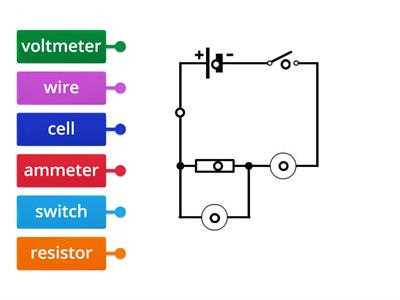
Start by matching each resistor, capacitor, and inductor with its printed code to prevent misplacement during assembly. Incorrect interpretation can alter current paths and cause malfunction.
Follow numeric and letter markings on terminals and connectors to trace electrical paths precisely. Cross-referencing these notations with schematics charts minimizes mistakes when assembling complex boards.
Pay attention to polarity and color codes for diodes, LEDs, and power lines. Reversing these components can lead to short circuits or permanent damage to sensitive devices.
Maintain a reference sheet of common marking conventions for repeated setups. Recognizing standard patterns for ground, voltage, and signal traces accelerates diagnostics and improves collaboration with other engineers.
Understanding Circuit Diagram Labels
Begin by identifying each component’s unique code printed next to resistors, capacitors, and transistors. Accurate recognition ensures proper placement and prevents signal errors that can damage sensitive parts.
Trace wire connections using numeric and letter markers to confirm continuity between power sources, ground, and signal lines. Misreading these markings often leads to faulty assemblies and troubleshooting delays.
Interpret polarity indicators carefully on diodes, LEDs, and electrolytic capacitors. Reversing these components can cause short circuits or permanent failure in low-voltage and mixed-signal circuits.
Keep a reference chart of standard notations for repeated layouts. Understanding common marking patterns accelerates debugging and makes collaboration with colleagues more precise and consistent.
How to Read Component Symbols and Their Labels
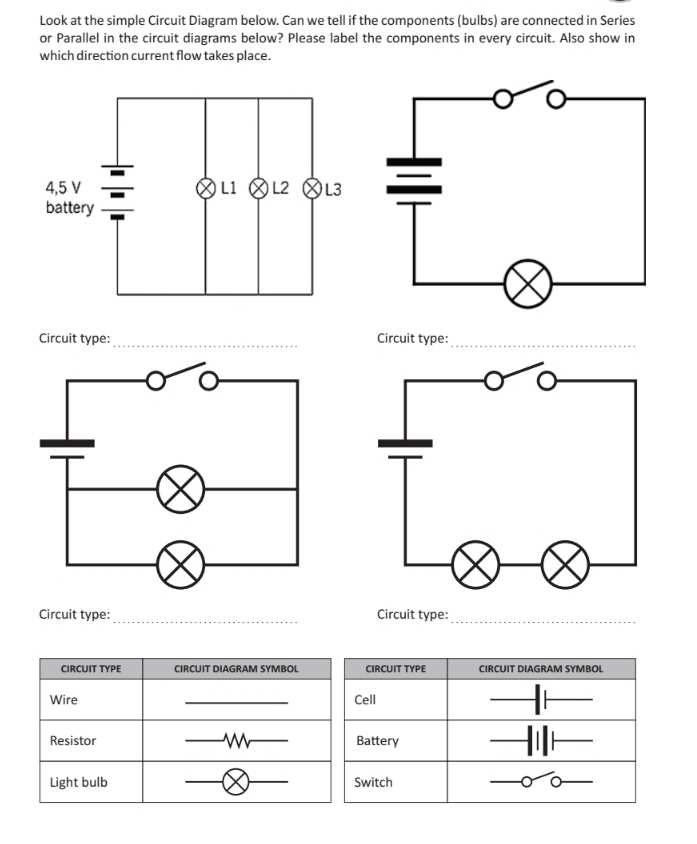
Start by recognizing standard symbols for resistors, capacitors, and inductors. Each shape represents a function, and the accompanying alphanumeric code specifies its value and type.
Use the following steps to interpret each marking:
- Check the letter prefix (R for resistor, C for capacitor, L for inductor) to identify the component category.
- Read the numeric value to determine resistance, capacitance, or inductance in ohms, farads, or henrys.
- Look for tolerance or voltage ratings indicated by additional numbers or letters.
Observe connection points and orientation indicators. Many components, such as diodes and electrolytic capacitors, require correct polarity. Symbols often include arrows or plus/minus signs to show the proper direction of current flow.
Reading Integrated Component Codes
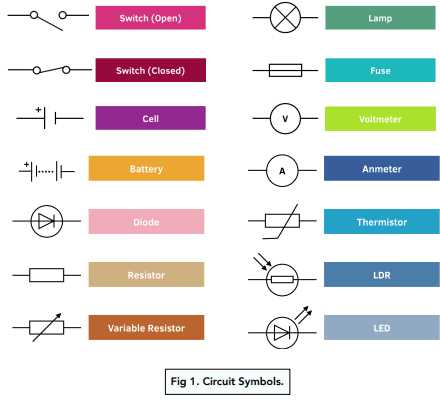
Microchips and ICs use unique identifiers printed on their bodies to indicate pin configuration and series type. Compare these codes with manufacturer datasheets to verify pinout and electrical characteristics.
- Identify the IC family by the initial letters (e.g., LM, NE, CD).
- Check the numeric portion for voltage and current specifications.
- Use pin numbering in the schematic to map inputs and outputs accurately during assembly or testing.
Maintain a quick-reference chart of common component symbols and codes. This practice reduces errors, speeds up assembly, and ensures reliable troubleshooting on complex boards.