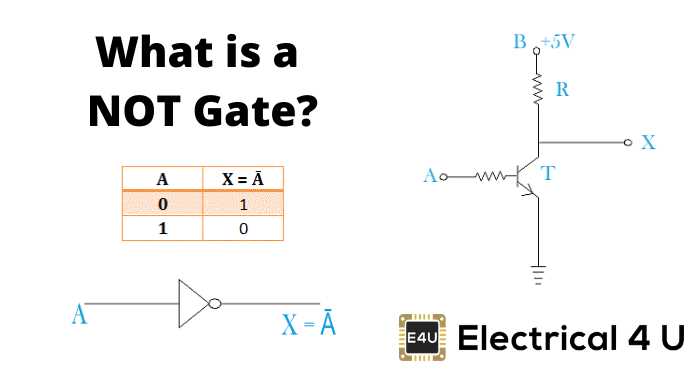
To design a basic inverter for your logic systems, start by using a single transistor and a resistor. Connect the input to the base of the transistor, with the emitter grounded. The output is taken from the collector, where it will be in the opposite state of the input signal.
Ensure that your transistor operates in the saturation region, where it acts as a switch. This allows the signal to be inverted correctly. The resistor connected to the collector helps limit the current flowing through the transistor, preventing damage to the components.
When applying this simple setup in your projects, be mindful of the voltage levels. A proper understanding of voltage thresholds is critical for preventing erroneous outputs. Make sure that your input signal fits within the specifications of the transistor you’re using to ensure proper switching behavior.
Building an Inverter Logic with Simple Components
To create a basic inverter, you can use a single transistor connected to a resistor. The input signal should be fed into the base of the transistor, while the emitter is grounded. The collector will output the inverted signal. This configuration is straightforward and efficient for creating a binary logic inversion. Ensure the resistor limits current to prevent overheating the transistor.
One important consideration is the voltage levels. The input signal must exceed the transistor’s threshold voltage for it to activate. Use a resistor value that balances the current flow–too high a resistance may prevent proper switching, while too low can lead to excessive current and potential damage. Double-check the voltage ratings for both the transistor and the input signal to maintain reliable operation.
This setup works best in low-power digital systems where simplicity and speed are prioritized over complex features. If you’re working with higher speeds or more advanced systems, consider using dedicated logic chips designed for inversion tasks. For most basic applications, however, a single-transistor approach provides a solid, cost-effective solution to your logic inversion needs.
How to Draw a Basic Inverter Logic Schematic
Start by drawing the transistor, which is the key element in the design. Place it with the emitter at the bottom, connected to ground. The base should be positioned at the top, where the input signal will be applied. From the collector, extend a line to the output. This simple setup illustrates how an input can be inverted at the output.
Setting the Proper Resistor Values
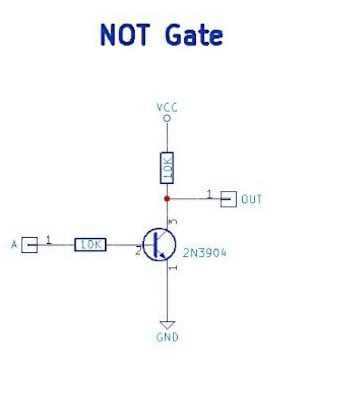
To ensure the transistor operates correctly, add a resistor between the collector and the positive voltage supply. The resistor’s value should be chosen to limit the current flowing through the transistor while maintaining proper signal inversion. A common choice is a 1kΩ to 10kΩ resistor, depending on your supply voltage and the specific transistor used.
Finalizing the Design
Once the basic components are in place, double-check the connections. Ensure that the input is properly connected to the transistor base, the emitter is grounded, and the output is linked to the collector. The voltage levels on the base should be above the threshold for the transistor to activate and invert the signal effectively.