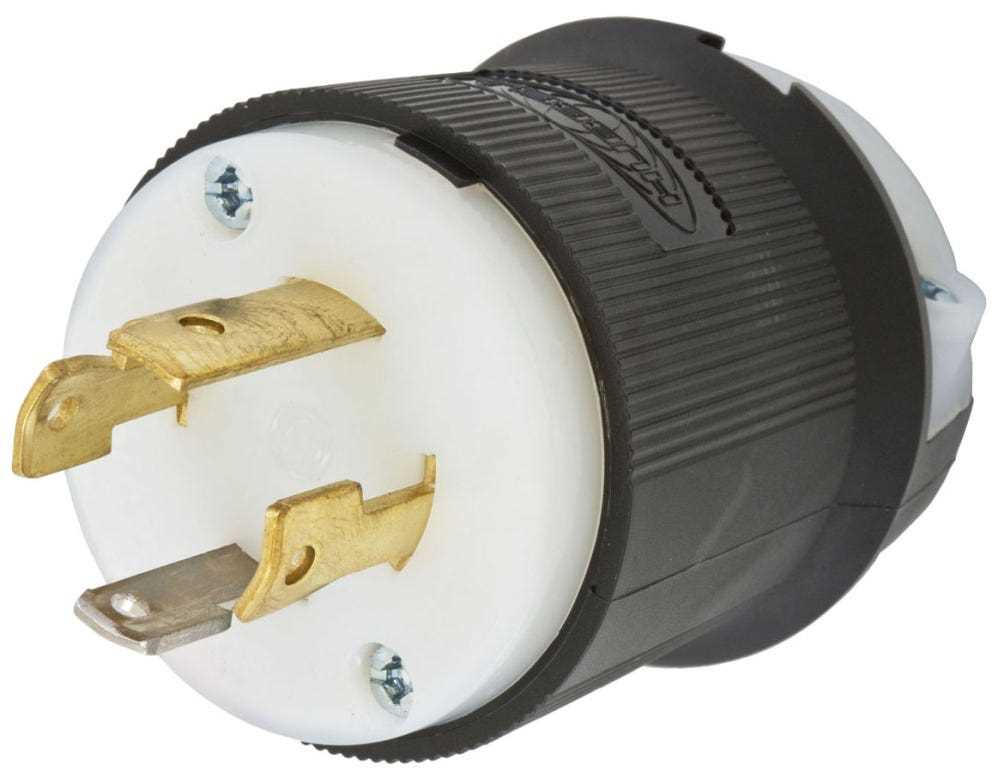
Use a 10-gauge copper conductor for connections to maintain low resistance and prevent overheating during high-load operation. Ensure the grounding terminal is securely attached to a metal chassis or dedicated ground rod to avoid electrical faults.
Verify the line and neutral identification before energizing the setup. The two hot terminals should measure 240 volts between them, while each hot to neutral should read 120 volts. This confirms correct phase orientation for balanced power delivery.
Employ color-coded insulation to distinguish each conductor: black and red for hot, white for neutral, and green for ground. Proper labeling reduces the risk of cross-connections and simplifies troubleshooting during future maintenance.
Double-check torque specifications on all terminal screws. Overtightening can damage terminals, while loose connections can lead to sparking, excessive heat, and potential fire hazards. Use a calibrated torque driver set to manufacturer-recommended values.
Connection and Terminal Guide for a 240V Four-Prong Setup
Connect the two hot conductors to the designated brass terminals, ensuring they are fully seated and tightened to 25 in-lbs of torque. This prevents arcing and maintains a stable 240-volt load across the device.
Identify the neutral line by confirming continuity to the center lug and verifying a 120-volt measurement to each hot leg. Secure this conductor with a star washer to improve contact reliability and reduce heat buildup.
The ground terminal should attach directly to a metal chassis or dedicated grounding rod using a green-insulated conductor. Verify that the connection is free of paint or corrosion to maintain consistent fault protection and prevent unwanted electrical shocks.
Identifying Hot Neutral and Ground Connections
Test each conductor using a voltage tester before making any attachments. Hot lines should show approximately 120 volts relative to neutral and 240 volts across both hot legs. Confirm this reading to avoid misidentification that could cause equipment damage.
Neutral conductors carry current back to the panel and must be verified with a continuity tester. Connect this line to the silver-colored terminal and ensure the connection is firm to reduce resistance and heat buildup during operation.
Ground connections provide protection against electrical faults. Attach the green-insulated conductor directly to a metal enclosure or a certified grounding rod, ensuring the surface is clean and free of paint or corrosion.
Mark each conductor with colored tape or labels. Red and black typically indicate hot lines, white for neutral, and green or bare copper for ground. This helps prevent mistakes during installation and maintenance.
Use a torque wrench to tighten terminal screws to the manufacturer’s recommended specifications. Over-tightening can strip threads, while under-tightening may lead to arcing and intermittent power issues.
Double-check connections with a multimeter. Measure voltage between each hot conductor and neutral, then between hot conductors themselves, to confirm proper 240-volt split-phase configuration and safe grounding.
After all connections are secured, visually inspect each terminal for loose strands, exposed copper, or contact gaps. A secure and verified installation reduces the risk of electrical faults and ensures consistent performance under load.