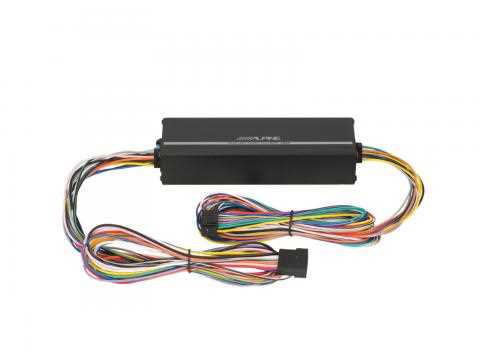
Ensure the unit is mounted on a stable surface with direct access to both the positive and negative terminals. Use 4-gauge power cables for distances under 10 feet to maintain voltage integrity and reduce heat buildup.
Identify input ports clearly and match them with corresponding preamp outputs from the head unit. RCA connectors with gold plating provide superior contact and reduce signal loss in high-fidelity systems.
Secure all terminals with torque-controlled screws to avoid loosening from vibrations. Confirm polarity for each connection to prevent damage to internal components and maintain consistent signal flow.
Route cables separately from speaker leads to minimize interference. Twist-pair signal lines can further reduce electromagnetic noise in compact installations where multiple units operate in close proximity.
Adjust gain controls conservatively, starting at minimum levels. Gradual increment ensures protection of connected speakers while allowing precise calibration for desired output levels and bass response.
Connection and Setup Guide for a Compact Audio Booster
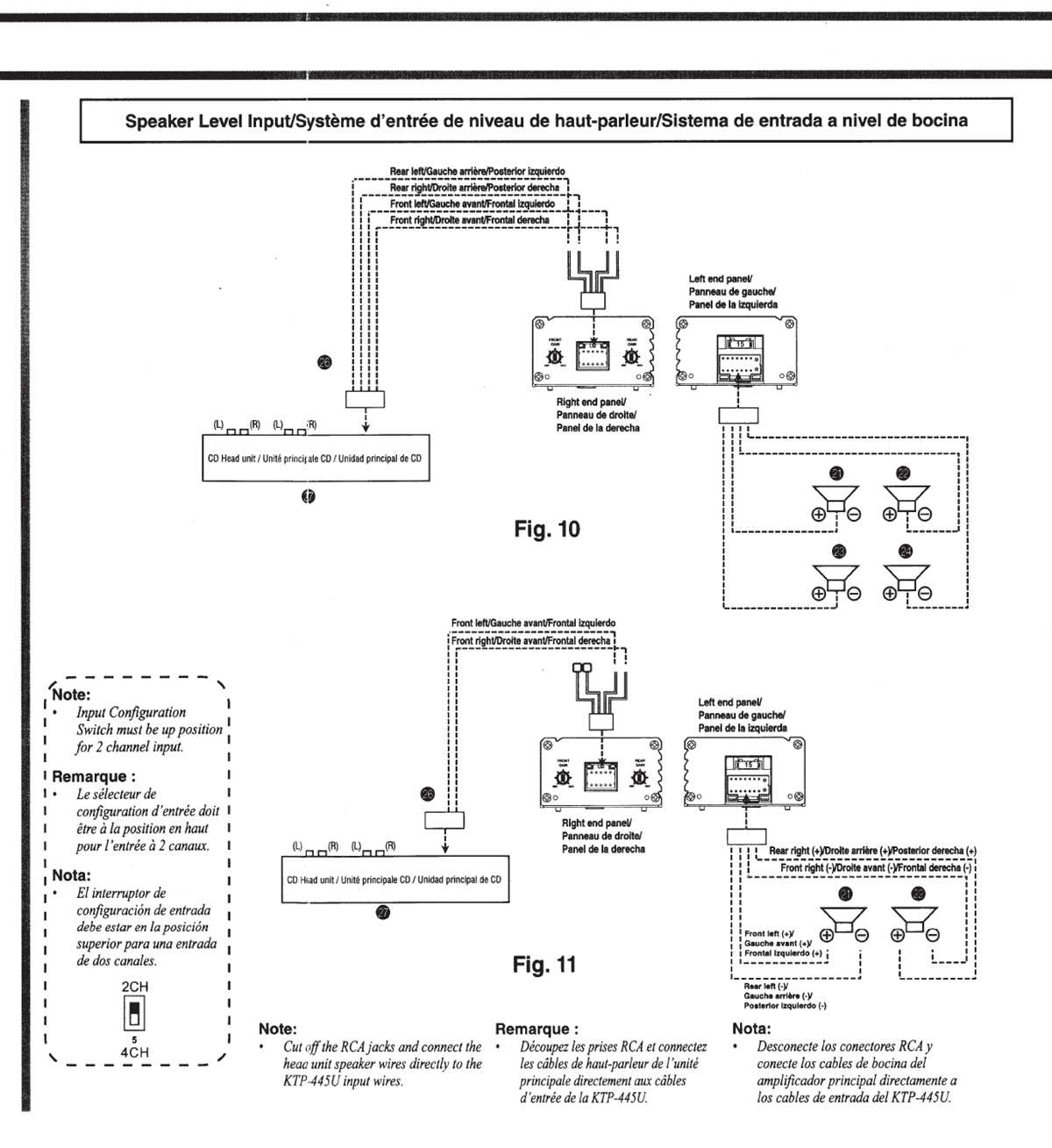
Mount the unit on a stable surface and connect the positive and negative power terminals directly to the battery using 4-gauge cables. Ensure all connections are tight to prevent voltage drops and overheating during operation.
Identify the input ports and pair them with the output from the head unit. Use RCA connectors with gold plating to minimize signal loss and interference when linking preamp outputs to the booster.
Set the gain and crossover controls carefully. Start with low gain and gradually increase while monitoring output to avoid distortion. Adjust the high-pass filter to match the frequency response of the connected speakers for balanced performance.
Keep power and signal cables separated to reduce electromagnetic interference.
- Twist signal lines where possible.
- Use insulated terminals to prevent shorts.
- Check polarity before powering on.
This ensures reliable operation and consistent audio quality.
Power and Ground Terminal Identification for Stable Operation
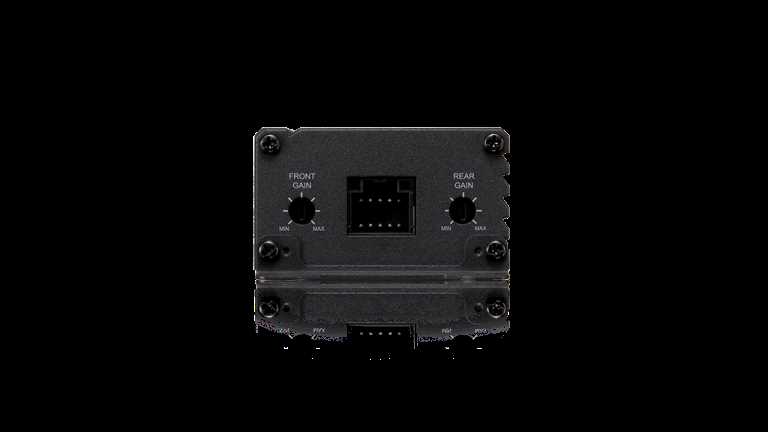
Connect the positive terminal directly to the battery with a properly rated fuse within 12 inches of the connection point. This prevents current surges and protects the unit from damage.
Ensure the negative terminal is fastened to a clean, bare metal surface on the vehicle chassis. Remove any paint or rust to achieve a low-resistance ground for stable performance.
Use cables with adequate gauge to handle the maximum current load. 4-gauge or thicker is recommended for compact boosters with moderate output to avoid voltage drop and overheating.
Label each terminal clearly before installation.
- Red for positive
- Black for negative
- Keep terminals separate from signal lines
This reduces installation errors and ensures correct polarity.
Double-check the terminal screws and connectors for tightness. Loose connections can generate heat and intermittent power interruptions, affecting output quality and reliability.
When routing cables, avoid sharp bends and pinch points. Maintain at least 1-inch separation from metal edges to prevent insulation damage and accidental shorts.
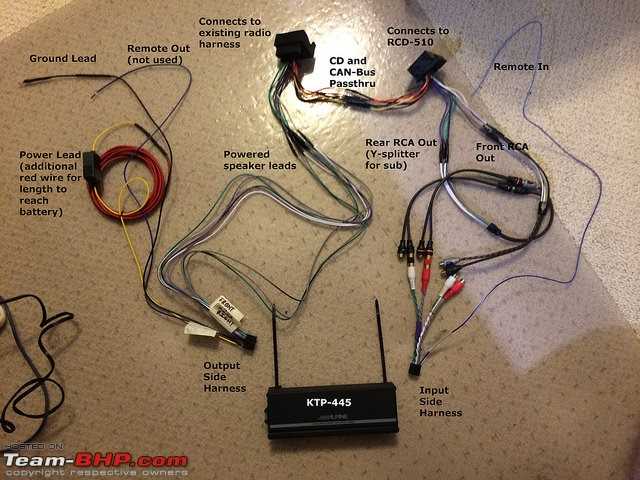
Consider installing a small distribution block if multiple units share the same power source. This allows for clean and organized connections, reducing electrical noise and voltage fluctuations.
After connections are complete, measure voltage at the terminals with a multimeter. Confirm steady readings under load before finalizing installation to guarantee consistent operation and prevent premature component wear.