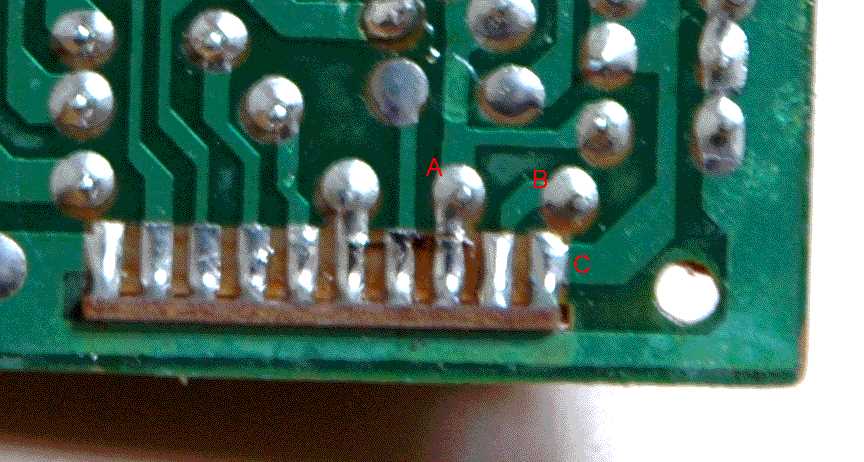
Choose a lightweight firmware package with clear pin mapping and low memory load when working with a small microcontroller board; this approach reduces debugging time and prevents unstable behavior during early testing. A practical set includes eight compact firmware builds paired with precise wiring layouts that show power lines, signal paths, and peripheral links. Each build should fit within 4–16 KB of flash space and rely on simple input/output routines, timers, and interrupt handling so the hardware platform remains responsive even with limited RAM.
One configuration can drive LED sequencing through direct port manipulation, using resistors between 220–330 Ω and a shared ground rail. Another build may manage button input with debounce logic, where pull-up resistors around 10 kΩ stabilize the signal. A third layout typically demonstrates PWM brightness control for LEDs or small DC loads; pairing a transistor such as 2N2222 with a base resistor near 1 kΩ protects the microchip pins while enabling higher current flow. Each wiring sketch should clearly label VCC, ground distribution, and port numbering to prevent misconnection during assembly.
Additional firmware examples often include temperature sensing via analog input, linking a sensor like LM35 or TMP36 directly to an ADC pin with a 5 V or 3.3 V supply. Another useful build handles serial communication at 9600 baud, allowing diagnostic output through a USB-to-UART adapter. A compact timing project can drive a piezo buzzer through a transistor switch, producing tones from 500 Hz to 2 kHz. These layouts rely on minimal external parts, which keeps the board footprint small and reduces wiring complexity.
The remaining examples typically demonstrate relay switching, light detection with photoresistors, and timed power control. For the relay build, a flyback diode across the coil prevents voltage spikes that could damage the microchip. A light-sensing layout uses a voltage divider with a photoresistor and a 10 kΩ resistor feeding an analog pin, allowing threshold-based switching. Organizing the eight firmware builds alongside clear wiring sketches creates a compact reference set that speeds up prototyping and simplifies hardware testing for small embedded projects.
8-Mode Compact Control Unit Wiring Plan: Practical Design and Usage Guide
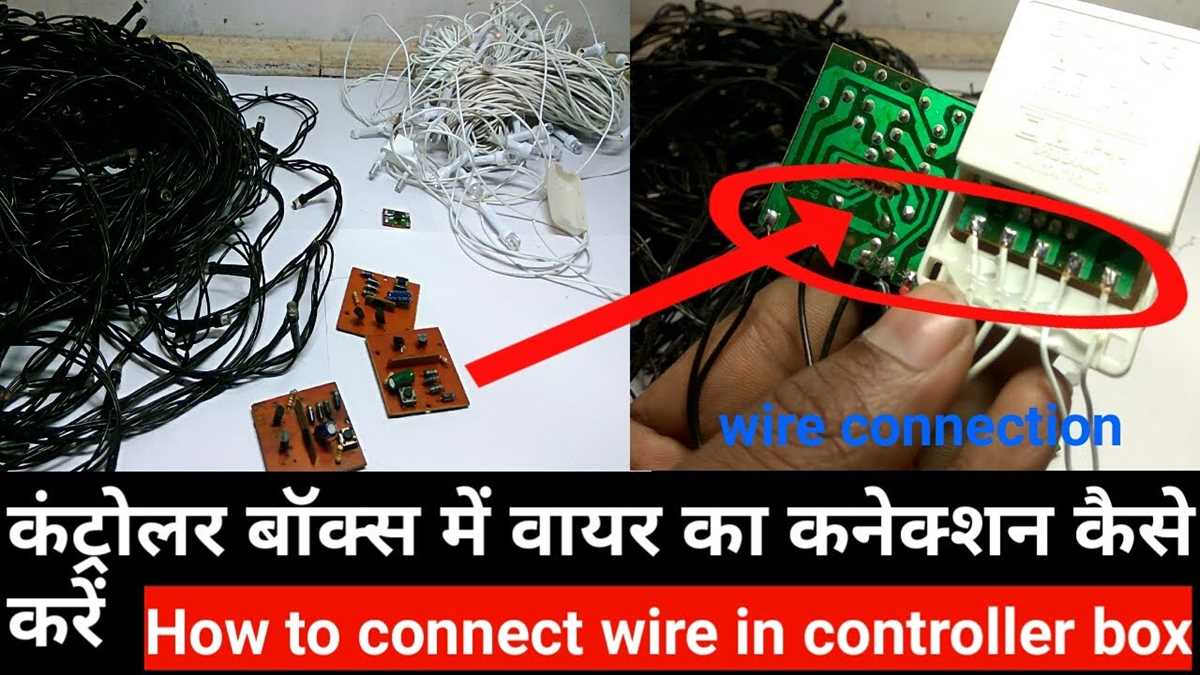
Use a small 8-mode logic unit built around a low-power microchip such as ATtiny13A or PIC12F675 when designing a compact automation board. Configure the firmware so each push-button press advances the operating state sequentially. A single tactile switch connected to an interrupt pin with a 10 kΩ pull-up resistor prevents floating input. Pair the chip with a 5 V regulated supply derived from a 7805 stabilizer or a buck module when input voltage ranges from 7–24 V.
Hardware layout should minimize interference and accidental resets. Place a 100 nF ceramic capacitor directly across the chip’s power pins and add a 47–100 µF electrolytic nearby for load stability. Output drivers depend on load type: small LEDs can connect through 220–470 Ω resistors, while relays require a transistor stage such as 2N2222 plus a flyback diode (1N4148 or 1N4007).
Typical operating states implemented in an eight-step logic sequence include:
- steady output activation
- slow pulse (~1 Hz)
- rapid pulse (~5–10 Hz)
- alternating dual output pattern
- gradual PWM brightness ramp
- reverse ramp dimming
- short timed activation (5–30 s)
- complete shutdown state
Physical board routing affects reliability. Keep signal traces shorter than 40 mm where possible and separate switching paths from logic lines. Recommended copper width for relay or motor loads exceeds 1 mm for currents above 1 A. Ground routing should follow a star layout so switching spikes from coils do not disturb the microchip reference potential.
Assembly procedure:
- Solder the microchip socket first.
- Install resistors and small capacitors.
- Add transistor drivers and protection diodes.
- Mount voltage regulator and filtering capacitors.
- Attach connectors for loads and supply.
- Insert programmed chip after inspection.
Common applications include lighting pattern modules, compact pump sequencing boards, decorative LED drivers, and timed switching for small appliances. A single tactile input plus eight logical states allows flexible behavior without mechanical rotary selectors, reducing mechanical wear while keeping component count below twenty parts in many builds.