Start by locating the main fuse panel under the hood. Each fuse is labeled with its amperage and circuit function. Use a test light to verify that each line is active before inspecting related components.
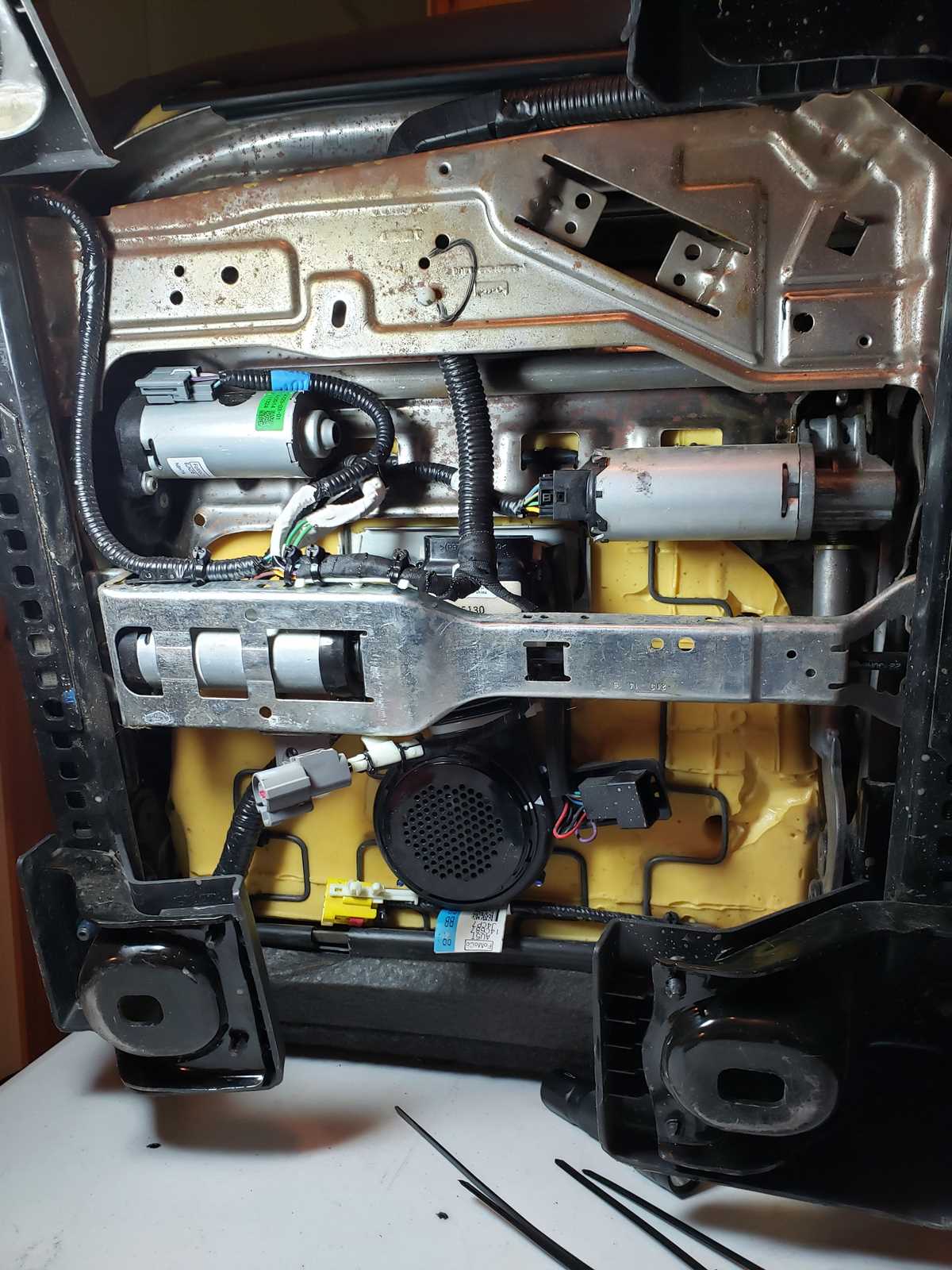
Check all engine harness connections for secure fit. Loose pins can cause intermittent failures in sensors, ignition, and fuel modules. Ensure each terminal clicks into place.
Label and route cables along factory clips to avoid chafing. Prevent crossing high-current lines with signal circuits to minimize interference. Secure with cable ties where needed.
Test dashboard indicators individually. Turn signals, brake lights, and gauges must respond accurately when powered. Address any anomalies immediately to prevent system faults.
Inspect grounding points for corrosion or loose bolts. Poor ground connections can cause flickering lights and sensor errors. Clean and tighten each contact for stable performance.
Electrical Schematic for Ford F150
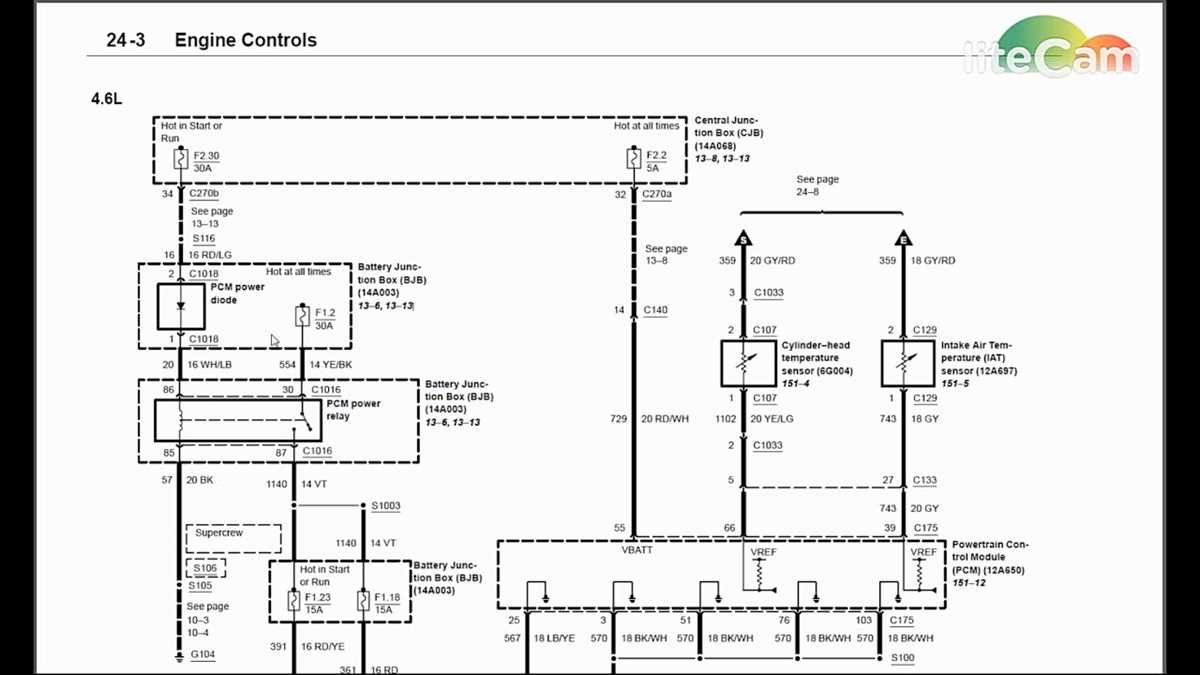
Verify each circuit at the fuse panel before troubleshooting. Check amperage ratings for headlamps, ignition, and fuel modules. Use a multimeter to ensure voltage is consistent across each line.
Trace sensor and actuator lines carefully to detect open circuits. Loose connectors in engine harnesses often cause intermittent faults. Secure all terminals and inspect insulation for cracks to maintain reliable performance.
Identifying Fuse Box Locations and Circuit Functions
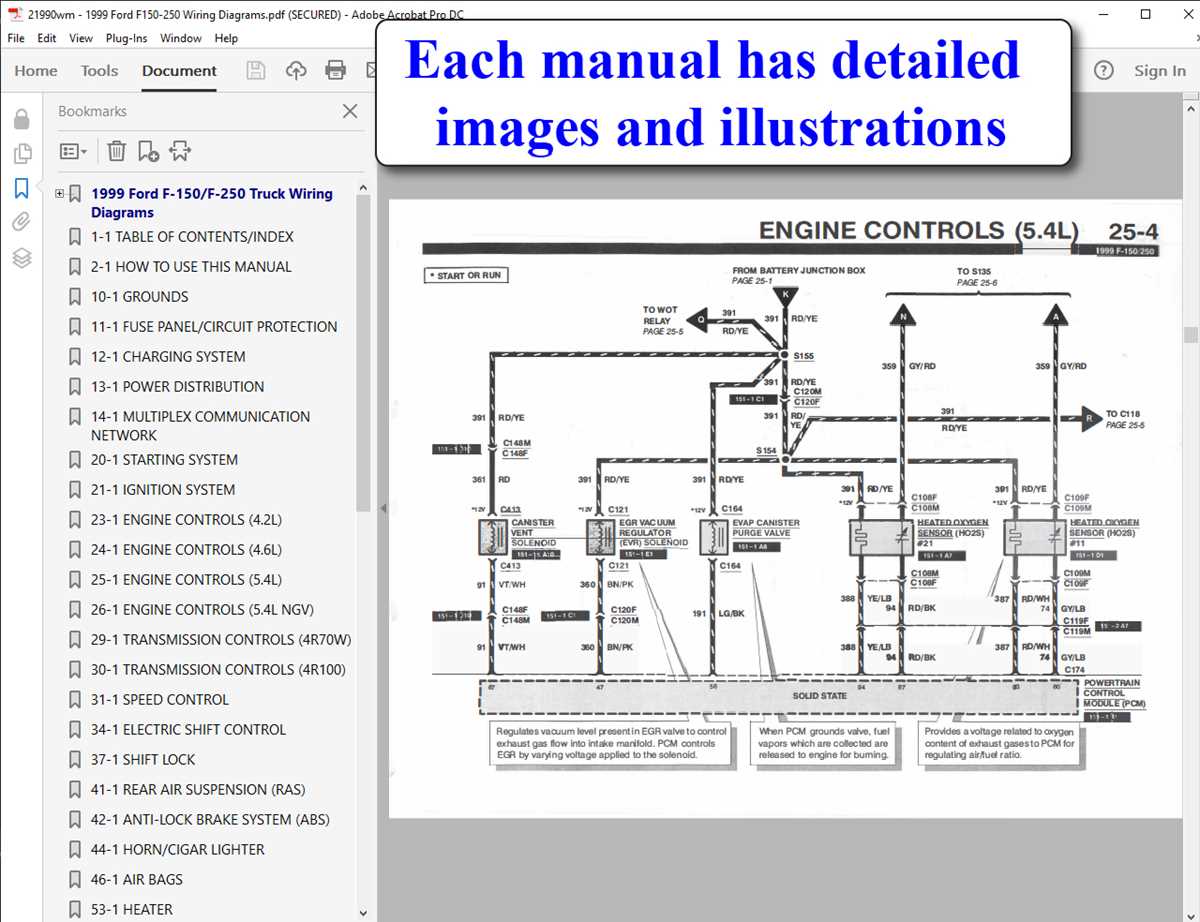
Locate the main fuse panel under the hood near the battery. Each slot is labeled with a number and amperage rating. Use these labels to match the correct fuse with its circuit to avoid overloads.
The interior fuse block is usually behind the driver-side kick panel. Check the legend printed on the cover for circuits controlling lights, HVAC, and entertainment modules. Verify each fuse before replacing to prevent repeated failures.
Understanding Engine and Accessory Circuits
High-current circuits such as ignition, starter, and fuel pumps use larger fuses rated between 20 and 50 amps. Low-current circuits like sensors and dashboard indicators typically use 5 to 15-amp fuses. Match amperage exactly to maintain system protection.
Trace each cable from the fuse slot to the component it powers. Look for split lines that feed multiple modules to identify secondary fuses. Check connectors along the path for corrosion or loose pins.
Maintaining Fuse Panels for Reliability
Clean the contacts and ensure tight seating after any inspection or replacement. Loose fuses can cause flickering lights or intermittent sensor errors. Inspect panels periodically, especially after off-road or high-vibration use.