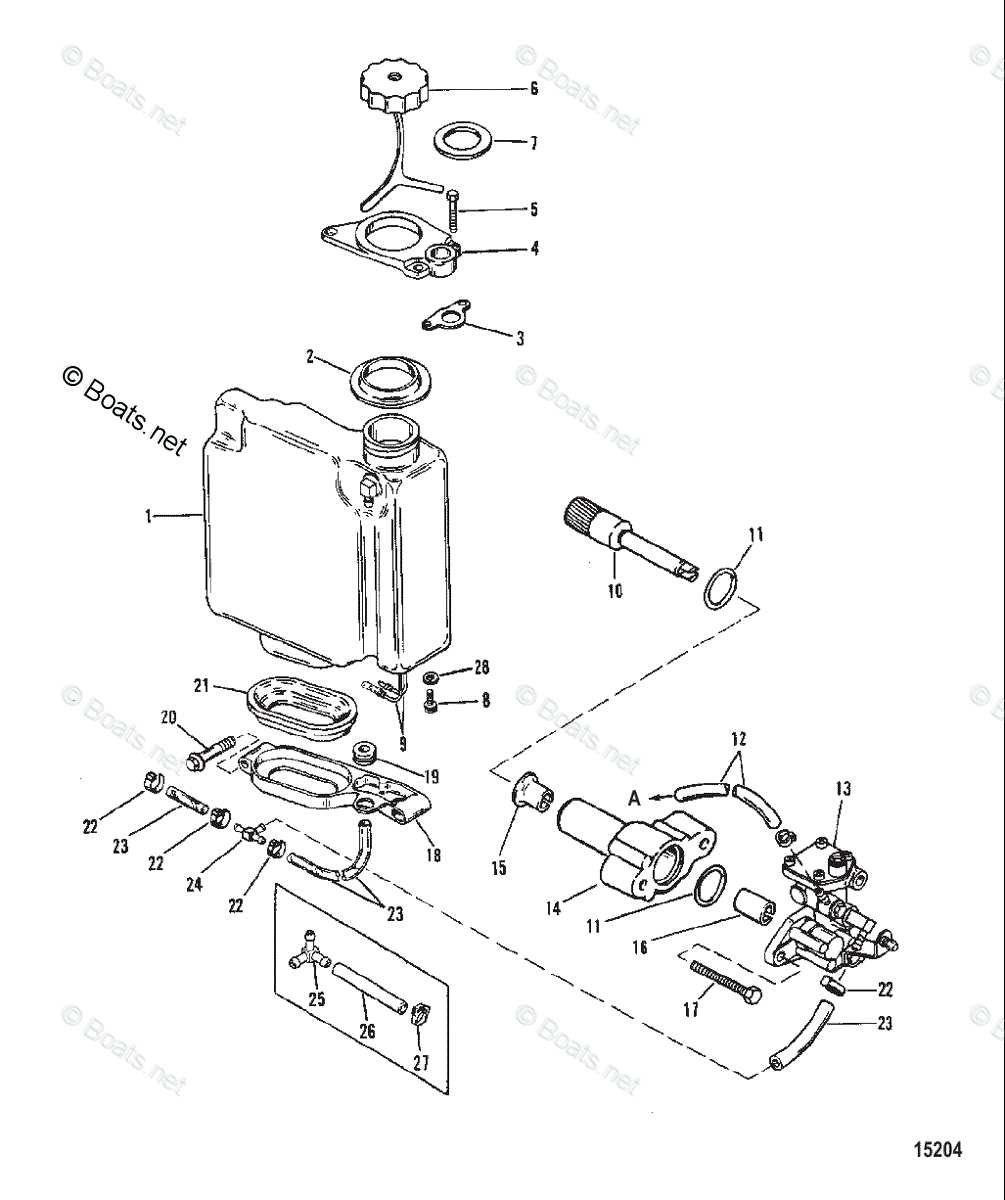
Use an exploded view keyed by serial range before any repair; it shows how each assembly stacks, which fasteners differ by year, and where seals sit. Match the serial plate on the clamp bracket to the correct layout, then note torque figures for the gearcase carrier (typically 55–65 ft-lb on midrange models) and the flywheel nut (often 100–110 ft-lb). This prevents mismatched hardware and oil leaks after reassembly.
Cooling and fuel sections demand extra attention. The water pump stack usually includes an impeller, wear plate, cup, gaskets, and a keyed driveshaft sleeve; a clear schematic reveals orientation and gasket order. For carbureted versions, the fuel path shows jets, emulsion tubes, floats, and needle seats by size, with callouts that differ between 2-stroke and 4-stroke variants from the same lineup.
Electrical layouts clarify color codes and connector paths that are hard to trace by sight. Look for the stator, trigger, rectifier, and switch box routing, then verify resistance values listed alongside each lead. These details speed fault isolation when spark drops on one cylinder or charging voltage stays below 13.5 V at cruise.
For driveline work, the lower unit breakdown exposes shims, thrust washers, and bearing races with thickness notes. Selecting the correct shim stack keeps backlash within spec and extends gear life. Print the relevant layout, mark removed fasteners by position, and replace O-rings and lip seals shown in the view to avoid repeat tear-downs.
Engine Component Map for a Marine Propulsion Unit
Use a factory-grade exploded view matched to the exact serial range to identify fasteners, seals, and subassemblies before any service task.
A clear component map breaks the propulsion unit into logical groups: fuel delivery, ignition, cooling circuit, gearcase, and mounting hardware. Each group should list reference numbers tied to OEM catalogs, allowing precise selection of gaskets, bearings, and impellers without guesswork.
For the lower drive section, focus on the gear housing layout that shows shaft alignment, washer order, and shim thickness. Correct stack order prevents vibration and premature wear after reassembly.
The cooling system layout must display water pickup routes, pump vanes, wear plates, and thermostatic elements. Cross-check hose routing and clamp positions against the schematic to avoid flow restrictions that cause overheating.
Electrical and ignition layouts should include connector shapes, wire colors, and ground points. Match each lead visually on the map before disconnection; this reduces misfires caused by swapped terminals during reinstallation.
When sourcing replacements, rely on the reference numbers shown in the exploded view rather than model names. This approach filters out incompatible revisions and ensures fit across mid-year updates.
Print the layout at full scale or view it on a tablet near the work area. Mark completed sections directly on the map to track progress and avoid missing torque steps or seal placements.
How to Identify and Locate Engine Components by Model and Serial Number
Use the exact model code and serial sequence stamped on the engine bracket to match components without trial fitting.
The model code defines cylinder count, fuel delivery type, ignition system, shaft length, and production year range. Enter this code into the manufacturer’s catalog or dealer lookup to narrow compatibility before checking any hardware.
The serial sequence refines the search to a specific production batch. Gearcase internals, carburetor variants, trim assemblies, and electrical connectors often changed mid-year, and the serial break confirms which version applies.
Locate the identification plate on the clamp bracket or swivel housing; if unreadable, check freeze plugs or casting marks on the powerhead. Cross-reference these numbers with the catalog notes that list serial breaks and revision tags.
Exploded schematics linked to the matched model reveal fastener lengths, gasket thickness, and orientation details. Compare casting numbers or stamped codes on removed items with the schematic callouts to confirm alignment.
For engines with prior repairs, verify subassemblies individually. Lower unit, fuel system, and ignition modules may originate from different serial ranges; each requires its own lookup using the stamped or labeled identifiers.
Record the confirmed numbers and revision letters for future service. This prevents mismatches when ordering seals, bearings, or electrical modules and reduces downtime during maintenance.
Using the Diagram to Select Correct Replacement Parts and Assembly Order
Use the exploded schematic as the single source for identification: match the engine’s serial range and shaft length printed near the title block before selecting any component.
Read each callout number and its suffix carefully; letters often mark revisions. Choose the latest revision listed in the notes to avoid mismatched tolerances and outdated fasteners.
Verify dimensions shown beside seals, bushings, and shims. Thickness values determine preload and gear mesh; select washers by the stated millimeters rather than by appearance.
Follow the stack sequence from the base upward as drawn. Spacers and thrust washers must sit exactly where shown, with chamfers and reliefs facing the arrows indicated in the schematic view.
Observe orientation marks on bearings and cages. Directional arrows and shaded faces indicate load paths; reversing them leads to heat buildup and noise.
Apply torque values printed next to fastener groups and respect the tightening order depicted by numbered circles. Use the specified thread pitch and strength class shown in the legend.
Check notes for lubrication points and seal lips. Grease types and oil film arrows show where dry assembly causes damage.
Confirm left-hand or right-hand threads by the symbol near the bolt head. Turning the wrong way strips housings made from aluminum alloys.
Dry-fit assemblies without gaskets to confirm free rotation as illustrated. Resistance beyond the shown clearance signals a misplaced shim or reversed washer.
Cross-check quantities in the bill list against the exploded view to ensure no component remains uninstalled before final closure.