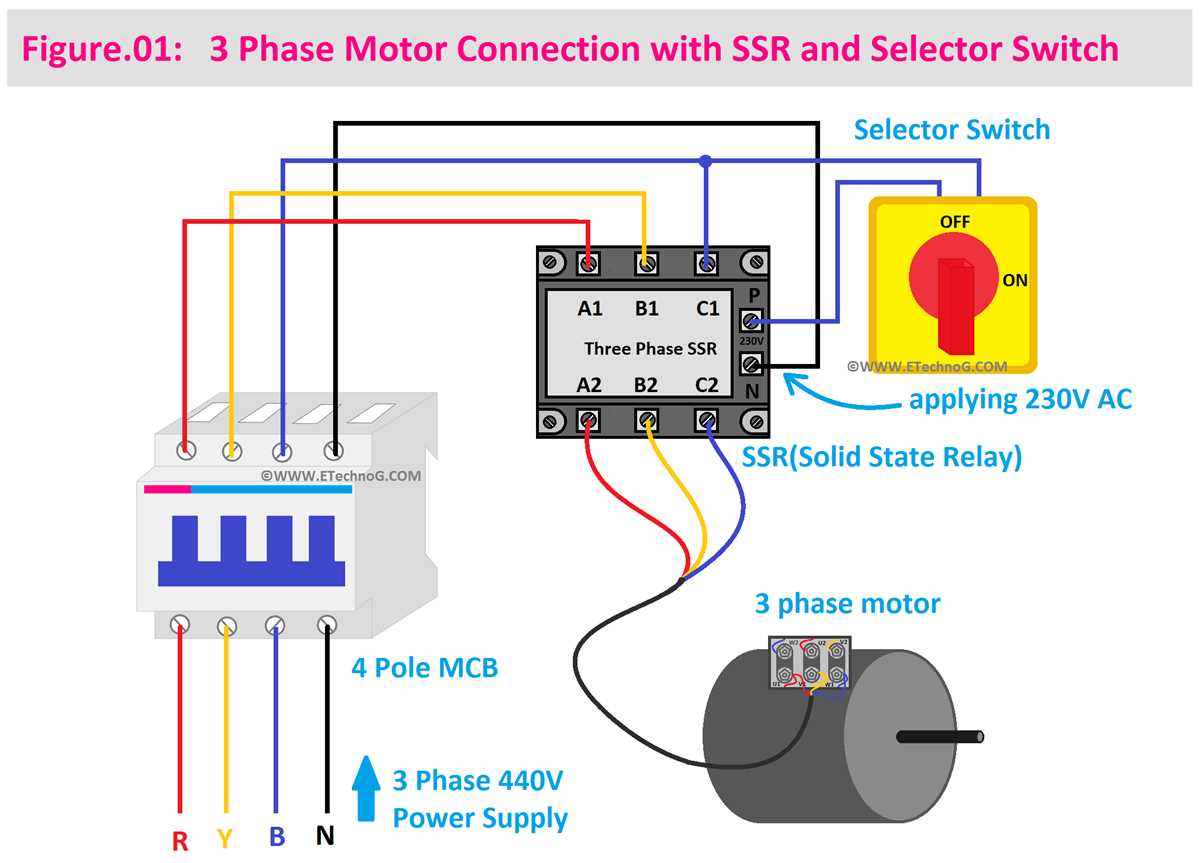
Connect each input line directly to the corresponding terminal labeled U, V, and W to maintain correct rotation and prevent phase imbalance. Use color-coded conductors: red for U, yellow for V, and blue for W to avoid misalignment.
Ensure all start and run coils are matched to their designated points before energizing. Incorrect placement can lead to overheating or stalled operation. Check that insulation is intact and no contact points are exposed.
Secure all terminal screws with the recommended torque of 1.2 to 1.5 Nm to maintain stable electrical contact. Loose connections cause sparking and uneven current distribution across the rotor.
Verify continuity between each line and neutral before powering the device. Use a multimeter set to low ohms to confirm that no short circuits exist between windings. This prevents damage during initial startup and ensures long-term reliability.
Step by Step Guide to Three Legged Rotor Connections and Terminal Identification
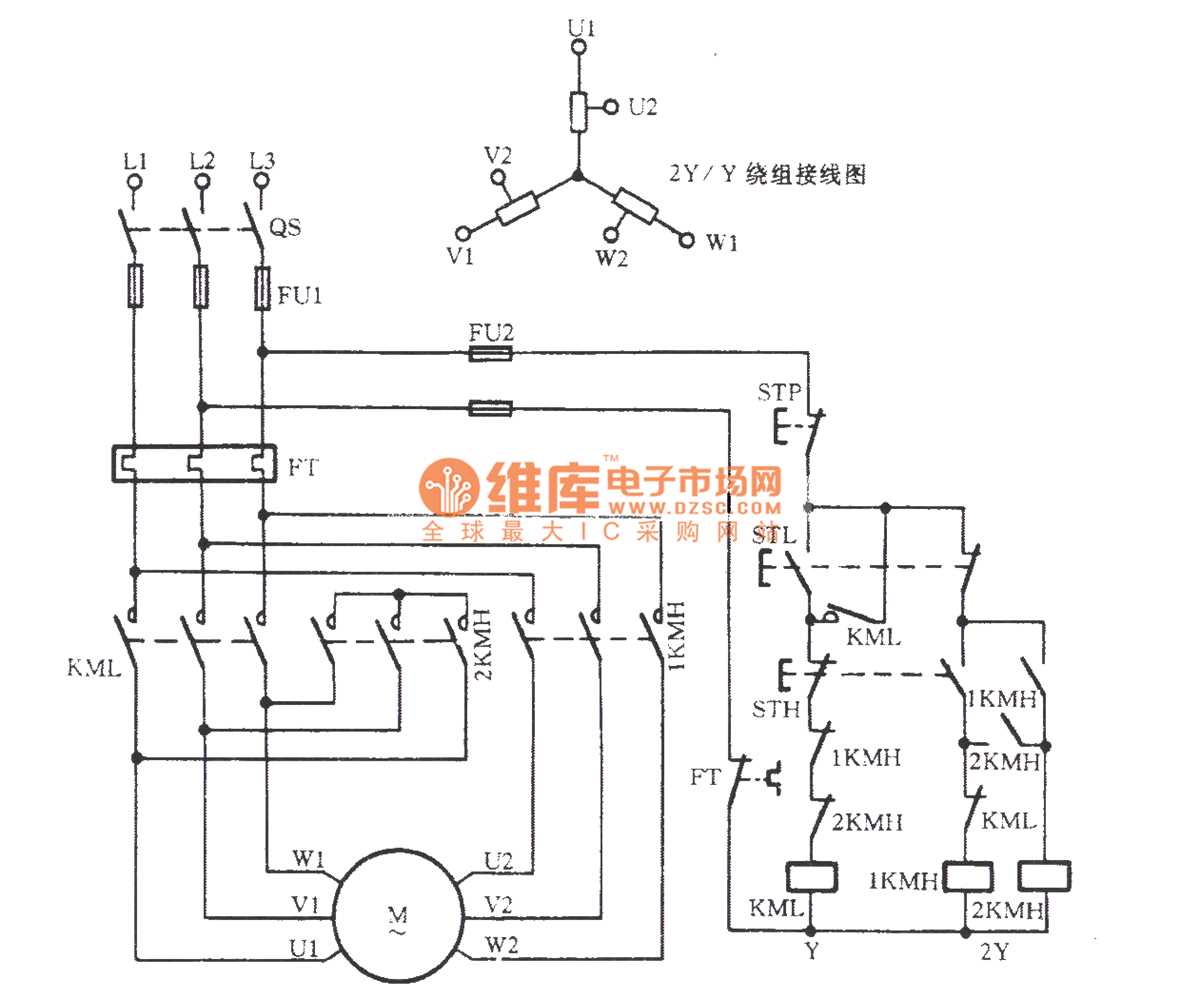
Identify each input lead marked U, V, and W on the terminal block. Confirm the labeling with the manufacturer’s plate to prevent misconnection. Use a continuity tester to ensure no internal short exists before energizing the rotor.
Follow the connection order carefully. Attach U to the red supply, V to yellow, and W to blue. Tighten each terminal screw to 1.3 Nm, checking that the conductor strands are fully seated under the clamp to avoid arcing.
For star or delta configuration, locate the jumpers linking the terminals. In star, connect the end points of all windings together, leaving the input terminals free. In delta, link each output of a winding to the next input in a loop pattern, ensuring proper continuity across the rotor.
After connections, perform a low-voltage test. Energize the rotor at 20% of nominal voltage to verify rotation direction. Swap any two input lines if the rotation is reversed, and recheck insulation resistance to ensure safe operation before full power startup.
Identifying Power Supply Phases and Correct Terminal Points
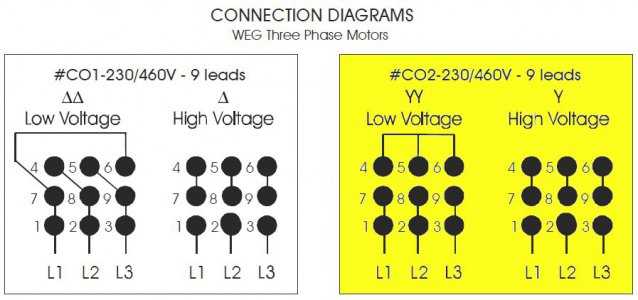
Confirm the voltage level of each incoming line using a calibrated multimeter before making any connections. Label each conductor according to its potential to prevent misplacement on the terminal block.
Trace each conductor from the distribution panel to the terminal entry point. Ensure the insulation is intact and there are no signs of overheating or mechanical damage along the path.
Use a phase sequence tester to determine the correct order of the supply lines. Connect the tester to the input points and verify the rotation indicated matches the intended direction of operation for the load.
Mark the terminals with permanent tags or color-coded identifiers. U, V, and W are commonly used, but confirming the manufacturer’s notation ensures that the load receives the correct sequence without confusion.
Inspect the terminal screws and connection surfaces for oxidation or debris. Clean and tighten each point to the recommended torque rating to maintain reliable contact under full operational current.
Perform continuity and insulation tests between each line and ground. This ensures that each input is isolated and correctly matched to the designated terminal, reducing the risk of short circuits or phase loss during startup.
After completing the connections, energize the supply at reduced voltage for a brief test. Observe the rotation and current draw, and adjust the input sequence if needed to guarantee safe and proper operation at full load.