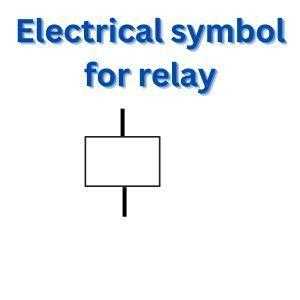
Use color codes and terminal labels to identify coil connections and contact paths when integrating switching devices into control circuits.
Check voltage ratings and current capacity for each contact point to ensure the component can handle load requirements without overheating or causing circuit failures.
Observe normally open and normally closed positions carefully, as misidentifying these can lead to malfunction or unintended operation of the controlled devices.
Document each connection and test with a multimeter before final assembly to prevent errors and reduce troubleshooting time once the circuit is energized.
Understanding Relay Symbols and Their Applications in Electrical Circuits
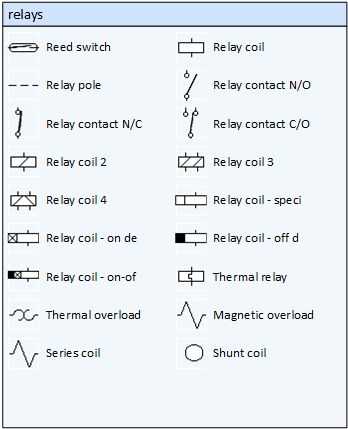
Identify coil terminals using labeled markings and polarity indicators to connect control voltage correctly and avoid damage to the device.
Distinguish between normally open and normally closed contacts to ensure load devices operate only under intended conditions and prevent short circuits.
Note contact arrangements such as single pole single throw or double pole double throw to select the appropriate switching configuration for complex circuits.
Use a multimeter to verify continuity across terminals. This confirms proper operation of switching elements before applying full system voltage.
Understand timing and latching mechanisms for devices with delayed or maintained states, which allows precise control over automation sequences and energy management.
Reference manufacturer datasheets for coil resistance and voltage ratings to match control circuits and prevent overheating or misoperation.
Mark all terminal connections clearly in circuit layouts. This simplifies troubleshooting and component replacement while maintaining safety compliance in live electrical systems.
Recognizing Common Relay Types and Their Functionality
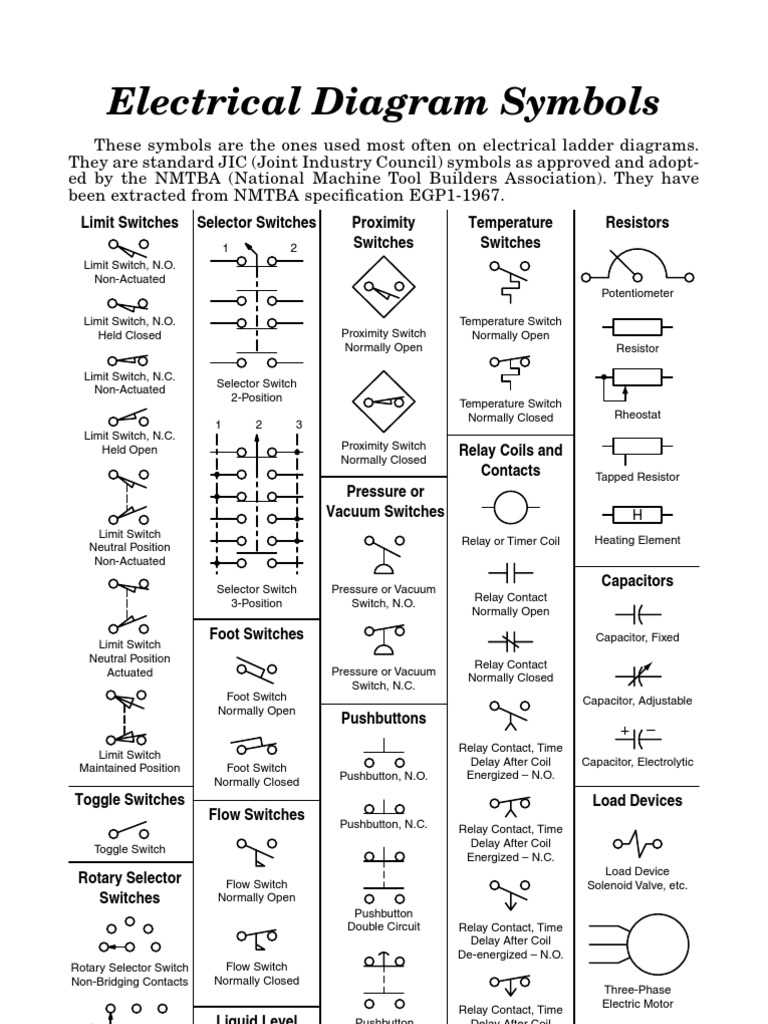
Identify electromagnetic types by their coil and armature design to determine the control voltage and switching capacity needed for your circuit.
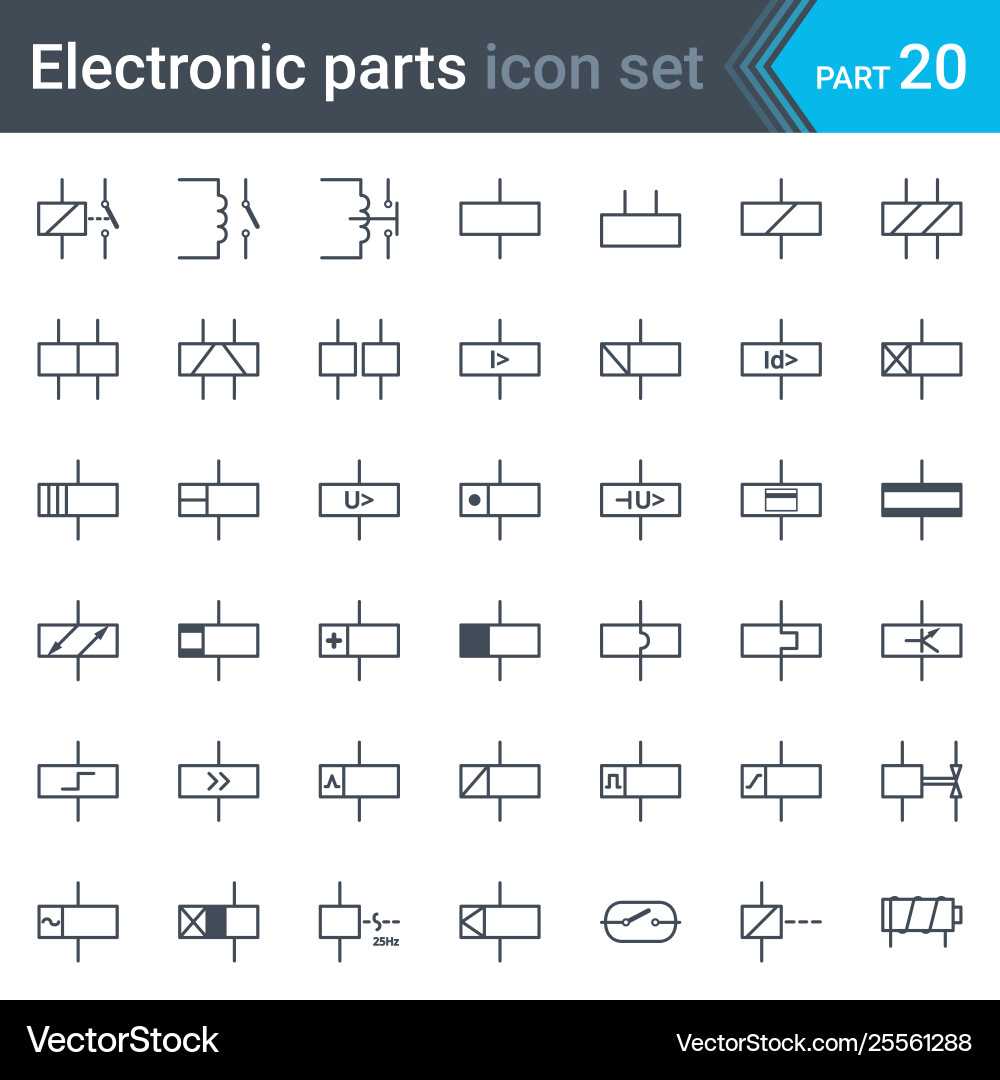
Use solid-state variants in applications with rapid cycling or silent operation requirements. Check the voltage and current ratings carefully to avoid overloading the semiconductor components.
Detect latching devices by their maintained position after the control pulse ends, which allows circuits to retain state without continuous power.
Understand time-delay mechanisms that introduce intentional switching delays. These are suitable for sequential operations or preventing surge currents in mechanical or electronic loads.
Mark high-current and automotive types distinctly as they differ in contact material and enclosure protection, ensuring reliable operation in heavy-duty or harsh environmental conditions.