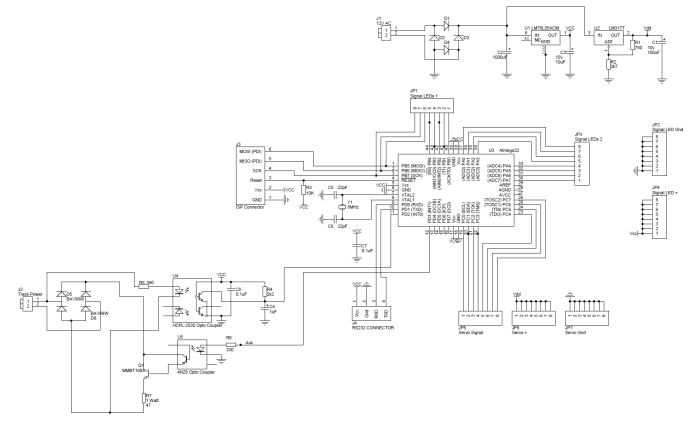
Use a dedicated polarity-flipping module with a fast electronic detector rated for 2–8 A continuous load and response time below 5 ms. Such hardware prevents wheel-to-rail short pulses when a train enters a turning section. Place the module between the booster output and the isolated rail segment; keep feeder wires under 1.5 m to reduce voltage drop and signal distortion.
The protected rail segment must be electrically separated at both ends using insulated rail joiners or cut gaps of about 1 mm. Feeders from the control unit connect to the input terminals of the polarity module, while the output terminals supply the isolated track block. When a locomotive crosses the boundary, the detector senses a phase conflict and instantly flips rail polarity. No mechanical relay delay is acceptable; choose solid-state switching elements such as MOSFET pairs or high-speed H-bridge drivers.
For reliable operation, size the isolated track length at longer than the longest train wheelbase. A typical recommendation for HO scale is 30–40 cm minimum, though longer freight consists may require 60 cm. If metal wheels bridge both boundaries simultaneously, the detector cannot resolve polarity change quickly enough. Install two feeder wires to the isolated section–one near each end–to maintain stable voltage along the rails.
Thermal protection also matters. Select a module with overcurrent shutdown around 10–12 A and mount it on a ventilated surface. Add 22–16 AWG bus wiring from the booster and 20–18 AWG feeders to the rails. Clear labeling of input and output terminals prevents phase mistakes during installation and keeps the layout stable during continuous train movement through the turning track section.
Polarity Switching Layout for Model Railway Track Loops
Use an isolated loop section with both rails fully separated by insulated joiners and connect that section to a polarity-switching module placed between the booster output and the loop feeders. The entry and exit rails must be longer than the longest locomotive with metal wheels; a practical value is 1.2–1.5× the locomotive length. Feed wires from the power bus should be at least 0.75 mm² to avoid voltage drop when several sound-equipped locomotives draw current simultaneously.
Track Isolation and Power Routing
Two gaps are required on each rail at the boundaries of the loop section. These gaps prevent a short when wheelsets bridge the main line and the loop. The module senses the brief polarity conflict and flips rail orientation in a few milliseconds. Place feeders close to the loop center rather than near the gaps; this reduces transient current spikes and avoids repeated switching when a long train slowly passes the boundary.
Many hobbyists install the switching board under the layout directly below the loop area. Short feeder pairs from the board to the rails help maintain stable voltage. A common configuration uses a four-terminal board: two inputs from the command booster and two outputs to the isolated loop rails. Twisted feeder wires reduce electromagnetic noise that may disturb occupancy detectors located nearby.
Detection Threshold and Current Handling
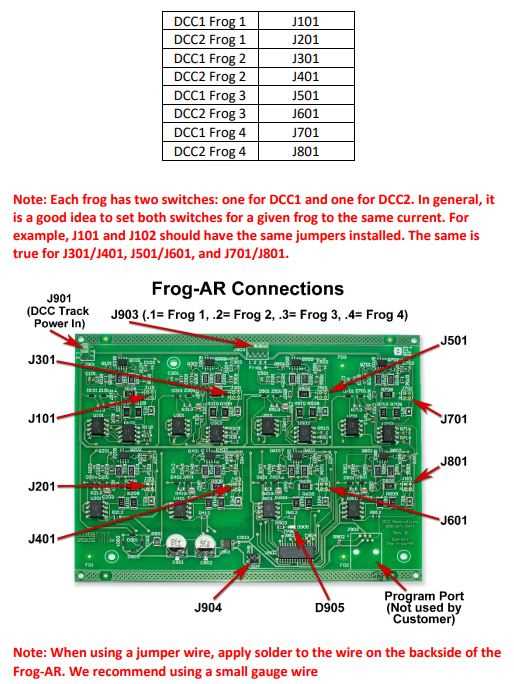
Select hardware rated at least 3–5 A continuous load. Modern sound locomotives with smoke units can momentarily exceed 2 A during startup. Adjustable detection sensitivity around 1.5–2.5 A helps prevent false triggering when metal wheelsets cross gaps. If the layout uses a high-power booster above 8 A, add a fast electronic breaker ahead of the loop switching board.
Install visual indicators such as a dual-color LED showing rail orientation. This assists during troubleshooting when locomotives stall near gaps. Connect the LED through a 1 kΩ resistor to the board’s status output. Mount the indicator on the fascia panel so operators can quickly verify polarity state while running trains.
Reliable operation depends on clean rail joints and precise gap placement. Fill the gaps with styrene or epoxy after cutting them with a 0.5 mm rotary disc; this prevents rails from closing due to temperature expansion. After installation, test the loop by slowly pushing a metal-wheel freight car across both boundaries while monitoring booster current. Any repeated polarity flipping indicates feeder placement or gap alignment needs adjustment.
How to Wire a DCC Auto Reverser Module for a Reverse Loop Section
Isolate the turnback loop with two insulated rail joiners at both entry points, then feed that section through a polarity-switching module rather than directly from the main track bus. The isolated segment must be longer than the longest locomotive with rolling stock so that metal wheels never bridge both gaps simultaneously. A typical safe length equals the longest train plus 10–15 cm. Use feeder wires from the rails inside the loop and connect them only to the switching module output terminals.
The module itself connects between the command control power bus and the isolated track segment. The bus wires from the command station attach to the module input terminals, commonly labeled “Track In” or “Power In.” Two additional wires run from the module output to the rails within the loop. Maintain consistent wire gauge; 16–18 AWG is widely used on medium layouts because it handles several amps without notable voltage drop.
Basic Wiring Sequence
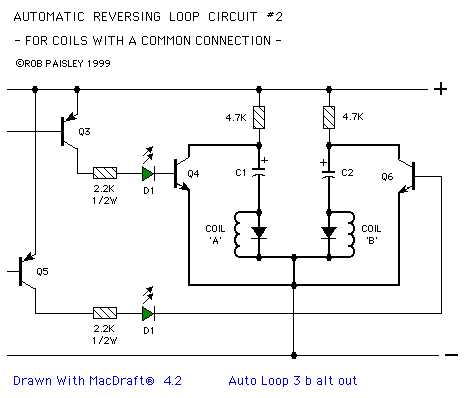
Follow a strict connection order so the polarity-switching device can detect a short and flip rail orientation instantly.
- Disconnect layout power before any wiring work.
- Cut both rails at the entry and exit of the loop.
- Insert insulated joiners or plastic rail gaps.
- Run two feeders from the isolated rails to the module output.
- Attach the layout power bus to the module input.
- Restore power and roll a locomotive slowly through the gaps.
If the module triggers correctly, the train moves through the loop without stopping while the unit silently flips rail polarity the moment wheelsets bridge the gap. A visible spark or brief stall signals incorrect wiring or a slow switching threshold.
Recommended Electrical Layout
Organize the wiring network so the switching device sits physically close to the loop. Long feeder runs between the device and rails increase resistance and may delay fault detection.
- Keep output wires under 1 m if possible.
- Twist paired feeder wires lightly to reduce electrical noise.
- Mount the module on a non-conductive board beneath the layout.
- Label bus polarity clearly to prevent swapped inputs.
Many model railroad builders also add a dedicated power district for complex track formations. In that case the bus feeding the polarity-switching unit comes from a booster rather than directly from the command station. The wiring principle stays identical: bus to module input, isolated rails to module output.
Testing should include several scenarios. Push a metal-wheel freight car slowly across each gap, then run a locomotive forward and backward through the loop. If the layout shuts down, adjust the module sensitivity trimmer if present. Some devices switch at about 2–3 A; reducing the trigger point can eliminate shutdowns on smaller layouts.
Reliable operation depends on clean rail gaps and solid feeder solder joints. Dirt bridging the insulated joiners or loose rail connectors can confuse the polarity-switching unit and cause intermittent shorts. Inspect the gaps regularly and widen them slightly with a thin saw blade if seasonal rail expansion closes them.