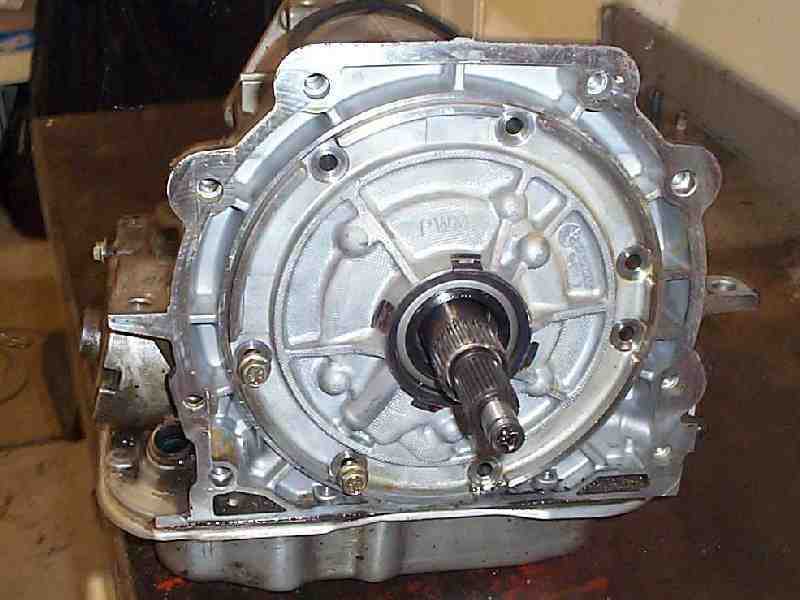
To repair or maintain your vehicle’s shifting system, it’s crucial to know the components and their locations. Start by referencing the exploded view of the assembly to see how everything fits together. This will help you locate common problem areas like the valve body, clutch packs, and the pump.
For accurate troubleshooting, pay attention to the connections between key elements. Check the seals and gaskets, as wear or leaks here can lead to significant performance issues. Refer to the visual layout to ensure that every part is positioned correctly when disassembling or reassembling.
If you’re planning to replace components, it’s important to use the correct part numbers. Cross-reference the details in the diagram to avoid mismatches that could lead to further damage. Following the proper assembly order ensures that the system functions as intended after repairs.
4L60E Transmission Components Breakdown
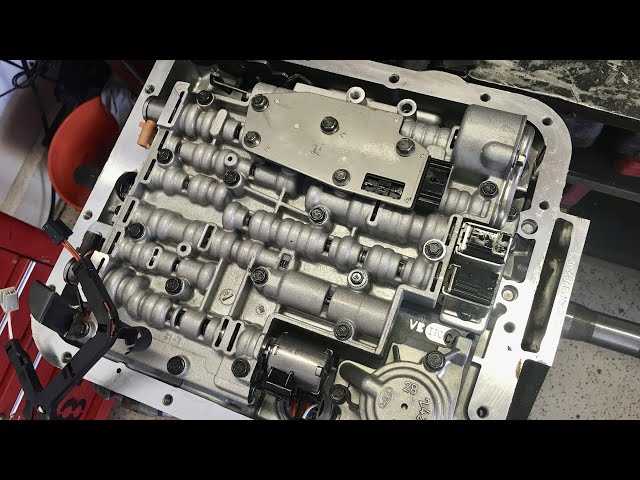
To begin disassembly, focus on the valve body assembly. This area controls the fluid flow and shifting patterns. Make sure to inspect the check balls and springs for signs of wear, as they can affect shifting precision. Refer to the layout to ensure each component is in place and properly aligned.
Next, examine the clutch packs. These are responsible for engaging and disengaging the gears. If shifting is harsh or the system slips, it’s likely that one or more clutch packs are worn. Check the friction plates and steels for damage, and replace them if necessary, following the assembly guide to ensure correct installation.
Inspect the pump and torque converter next. The pump maintains fluid pressure, while the converter transfers engine power to the transmission. Low fluid pressure or noise can indicate issues with these components. Check the pump for cracks or wear, and ensure the torque converter is properly aligned and free from debris.
Identifying Key Components in the 4L60E Transmission
When diagnosing issues or performing repairs, focus on these key elements within the system:
- Valve Body: Controls fluid flow and shifting. Inspect the valves, springs, and check balls for wear and misalignment.
- Clutch Packs: Responsible for gear engagement. Check friction plates and steels for damage or excessive wear.
- Pump: Maintains hydraulic pressure. Look for cracks or wear in the pump housing and ensure proper fluid flow.
- Torque Converter: Transfers engine power. Inspect for debris, misalignment, or damage that could cause noise or poor performance.
- Sensors and Solenoids: Control shifting and fluid pressure. Test each sensor for electrical connectivity and replace faulty ones.
Always cross-check these components with the reference image to ensure correct positioning and condition during maintenance or repairs.
How to Use a 4L60E Transmission Diagram for Troubleshooting
Start troubleshooting by identifying any areas where fluid leakage or irregular pressure might be occurring. Use the schematic to locate critical components like the pump, valve body, and seals. If the fluid pressure is low, the pump or valves may be the cause. Check the diagram to verify if the pump components are properly aligned and inspect for wear or damage.
If shifting issues are present, refer to the shift solenoids and check balls. These parts are responsible for controlling the flow of fluid during gear changes. The diagram will help you trace their positions and connections, so you can test for electrical continuity or signs of mechanical failure.
For slipping or rough shifting, examine the clutch packs and friction plates. Use the layout to ensure proper alignment and make sure there are no signs of overheating or excessive wear. Replace any damaged components as shown in the schematic to restore proper function.
Lastly, always double-check the routing of all hydraulic lines and electrical connections, as incorrect assembly can lead to system failure. The reference image will provide a clear guide to the correct placement and any potential issues with these systems.
Step-by-Step Guide to Replacing Parts in the 4L60E Transmission
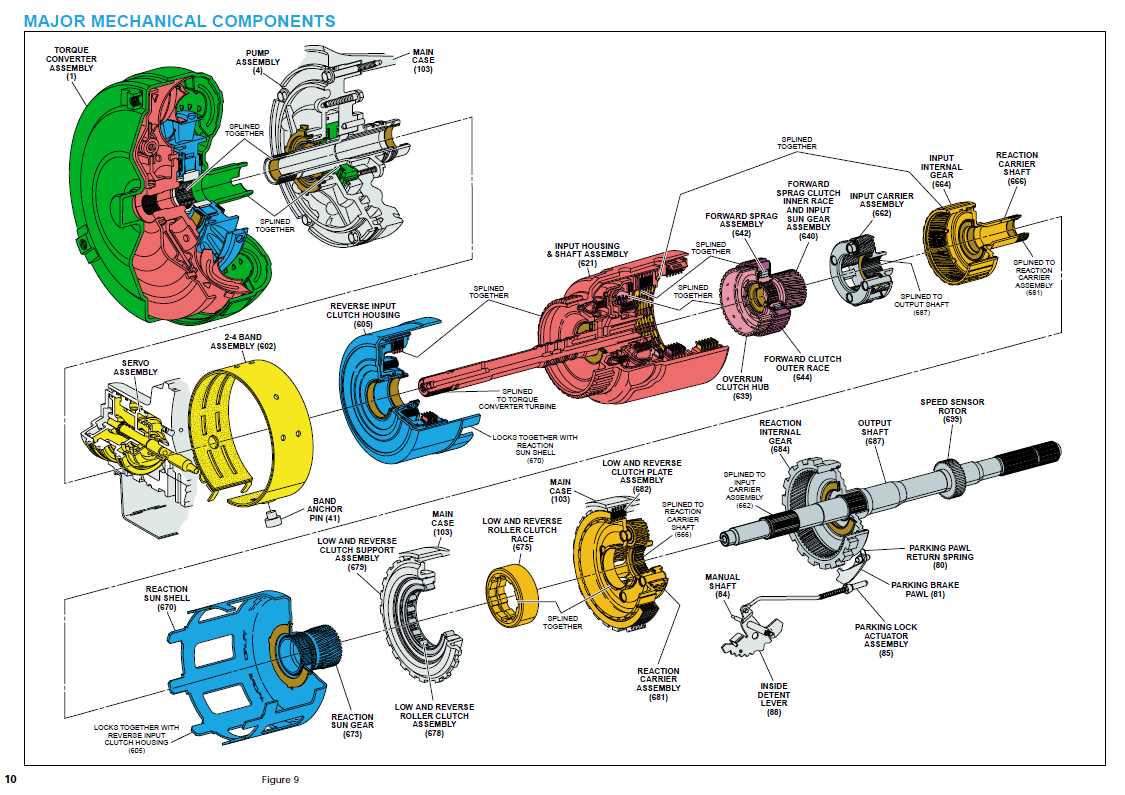
Begin by draining the fluid completely and removing the transmission from the vehicle. Use the diagram to locate bolts and connectors, removing them carefully to avoid damaging surrounding components.
Next, remove the valve body. Pay attention to the positioning of springs, check balls, and valves. Use the schematic to ensure proper reassembly. Inspect each part for wear or damage before replacing them with new components.
After removing the valve body, proceed to the clutch packs. Disassemble each pack carefully, noting the arrangement of friction plates and steels. Refer to the diagram for the correct order and placement, ensuring you replace worn parts and reassemble them correctly.
Once the clutch packs are reassembled, move on to the pump and torque converter. Check the pump for wear and replace any damaged seals. Ensure the torque converter is aligned and free from any debris or damage, as shown in the reference layout.
Finally, reinstall the components in reverse order, ensuring everything is properly aligned and torqued to the manufacturer’s specifications. Refill the system with the correct fluid and perform a test to check for leaks or shifting issues.