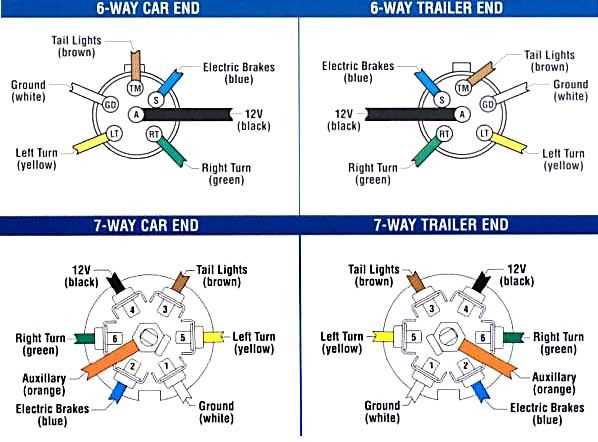
Start by ensuring all components of your vehicle’s electrical system are properly connected before attaching the connector. A consistent power source is crucial for proper functionality, as miswiring can lead to failures in signaling or brake lights when towing.
The first step is identifying the correct pins and their functions on the connector. Typically, these include power, ground, left/right indicators, brake, and auxiliary circuits. Incorrect connections can compromise the safety of the entire setup, so verify the wiring layout before proceeding with any connection.
Use a multimeter to test the connections for continuity and ensure there is no short between circuits. This step helps avoid future issues when activating turn signals or brake lights. Always check the fuses as well, as incorrect wiring can blow them, rendering parts of the electrical system inoperable.
Once all components are securely connected and tested, ensure the connector is waterproofed to prevent corrosion. Regular checks of the connector for damage and wear will ensure long-term reliability when towing heavy loads or trailers.
Tow Hitch Wiring Diagram Guide
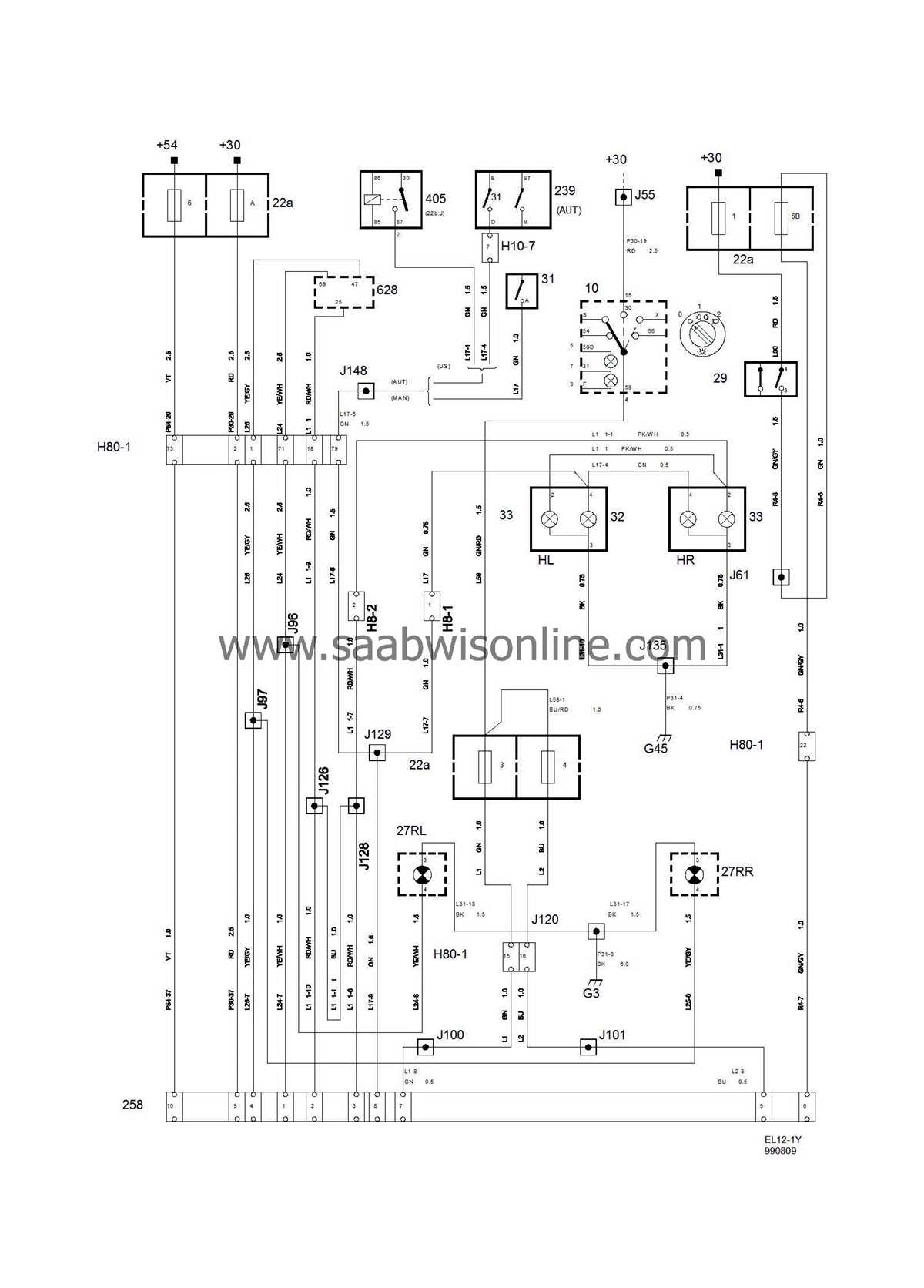
To ensure that the electrical components of your vehicle are connected properly when setting up for towing, you must start by identifying the different wires involved. Typically, you will find at least five wires: a power supply, ground, left and right turn signals, brake light, and reverse lights. Each wire serves a specific purpose in the overall setup.
Check the color codes of each wire to determine its function. For example, red wires are commonly used for power, while brown might indicate the ground. Blue is often associated with brakes, and yellow or green are typically turn signal circuits. Knowing these standard color codes will simplify the process of making the correct connections.
Once you’ve identified the wire functions, you need to secure the connections. Always ensure each wire is firmly connected to the appropriate terminal on both the vehicle’s electrical system and the connector. Poor connections can lead to signal failure or short circuits that might damage components.
Before finalizing the setup, it’s recommended to test the system using a circuit tester. This ensures that each signal works properly, from the brake lights to the turn signals. You can also use a multimeter to verify that each wire is functioning with the correct voltage and that no short circuits are present.
To avoid future problems such as corrosion or wear and tear, be sure to protect the connections. Waterproofing is highly recommended, as moisture can damage the electrical components over time. Use shrink tubing or rubber covers to safeguard the terminals against environmental elements.
Finally, it’s important to regularly inspect your setup, especially if you frequently use it for heavy-duty towing. Check for signs of wear, loose connections, or corrosion, and replace any damaged components immediately. Routine maintenance will keep your towing system functioning properly for years to come.
Understanding the Wiring Setup for Towing Equipment
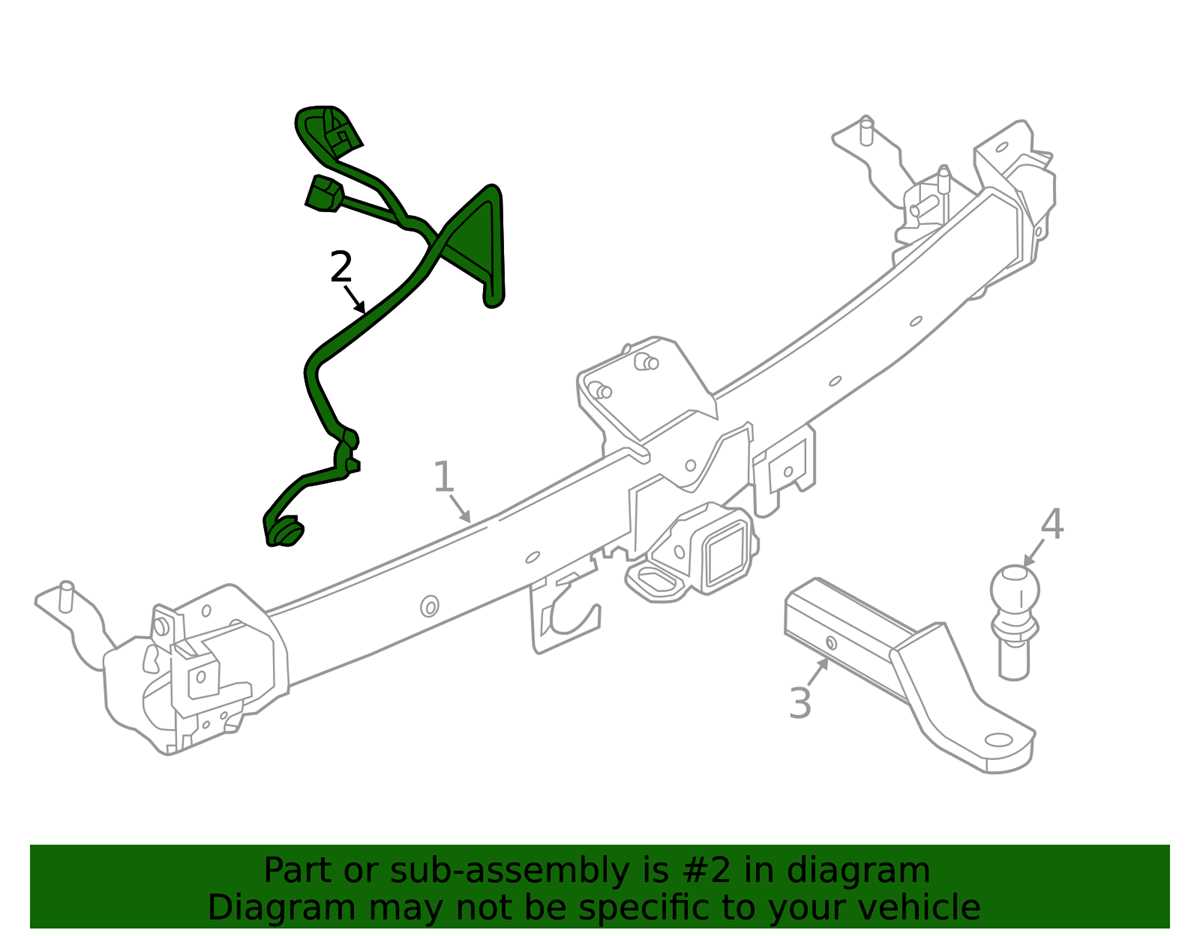
For proper functionality, it’s important to connect each wire to the correct system. The most common connections involve brake lights, turn signals, reverse lights, and ground connections. Each of these should be linked to the respective terminals on the vehicle and trailer for smooth communication between both systems.
Make sure to follow standard color-coding conventions for vehicle connectors. For example, a white wire is typically used for the ground, while yellow, green, and brown may correspond to the left turn signal, right turn signal, and tail lights respectively. Using a circuit tester can ensure that each wire is routed correctly and working properly before final installation.
After confirming the setup, protect the connections from moisture and environmental damage. Using shrink tubing or rubber insulators will safeguard the wires from corrosion, ensuring long-term reliability of your setup. It’s also advised to regularly inspect these connections for wear and tear, especially after frequent towing.