Before you begin connecting power to your outdoor building, ensure that the proper electrical planning is in place. Start by determining where outlets, lights, and switches should be positioned based on your needs. Consider how much power each component will require and whether your power source can handle it. Once you’ve mapped out the locations, it’s easier to determine the type and length of cables you’ll need.
Next, choose appropriate materials. Select the right gauge of wire for the current load you expect to handle, and make sure to include any necessary breakers or fuse protection. For a safe and reliable connection, use weather-resistant outlets and switches that can withstand outdoor conditions. Don’t forget grounding, as it prevents electrical shocks and provides protection against surges.
After gathering materials, follow a clear step-by-step procedure to install outlets, lights, and any additional equipment. Begin by installing the main power source connection, ensuring that it meets local electrical codes. From there, run the wiring to each outlet and light, ensuring that all connections are secure and insulated. Once the system is wired, check everything for continuity and safety before connecting to the power grid.
Basic Shed Wiring Diagram Guide
Start by determining the power needs for your outdoor structure. Identify the number of devices that will require electricity, including lights, outlets, and any appliances. This will help you calculate the total wattage needed to safely power the building. Ensure that your main electrical source, whether from a home or separate meter, can handle the load.
Choosing the Right Cables
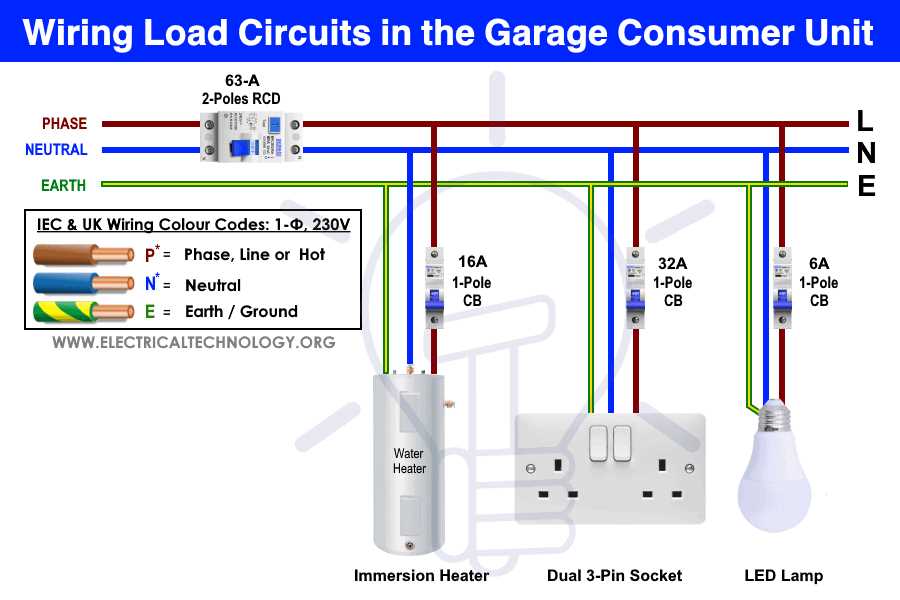
Choose cables based on the expected electrical load. For light-duty applications, a 14-gauge wire may be sufficient, while heavier loads will require 12-gauge or 10-gauge wire. Always check local codes for safety requirements, and opt for outdoor-rated cables that are insulated for protection against the elements. Make sure to measure cable lengths accurately to minimize waste and ensure you have enough to reach each component.
Installing the Main Connection
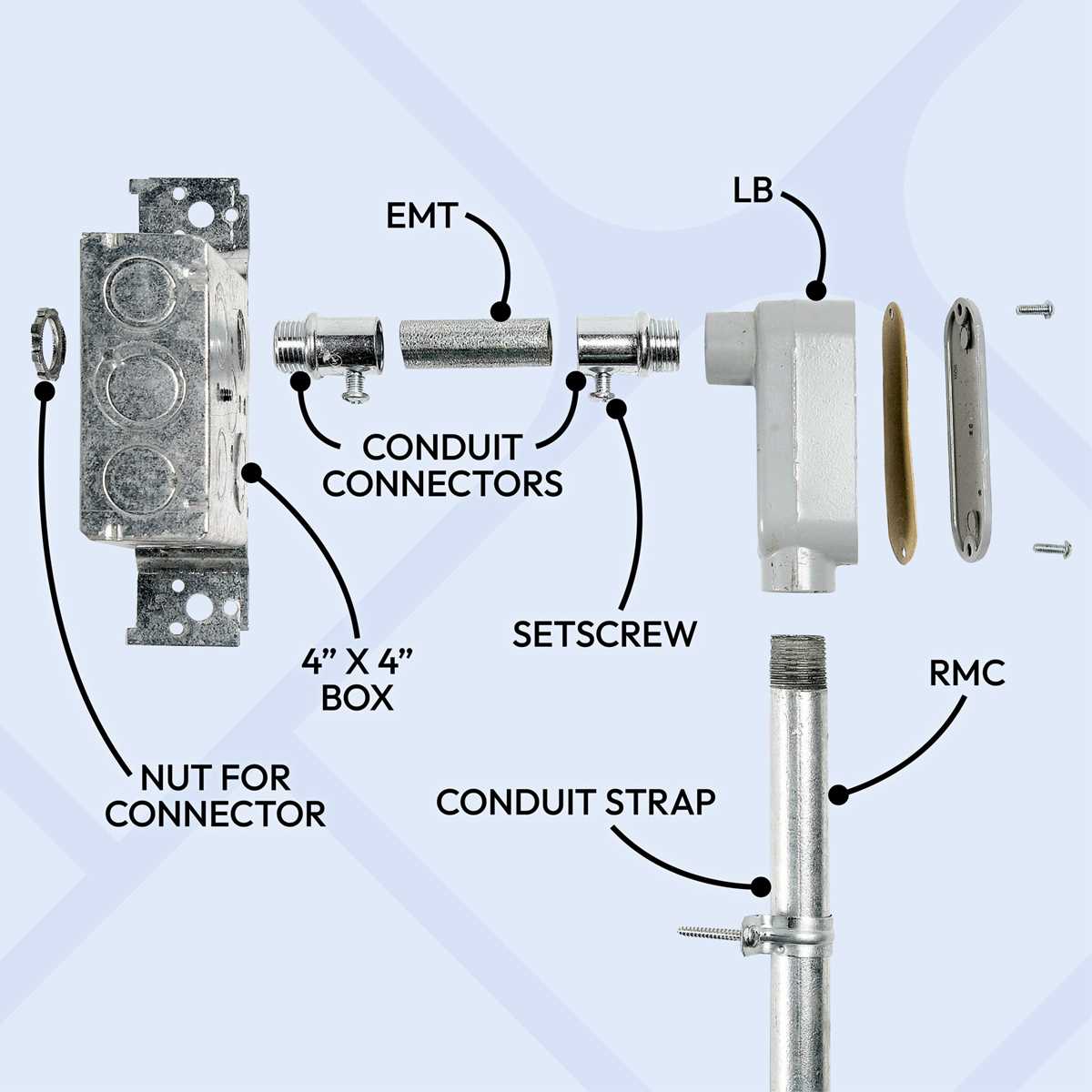
Once you’ve chosen the cables, begin by connecting the main line to your structure. Install a weatherproof junction box where the cable enters the building. Make sure to follow all local regulations when connecting the system to the power grid, including breaker sizes and grounding methods. If you’re uncertain, it’s best to consult an electrician for the initial setup.
Next, distribute the power throughout the structure. Run cables to the desired outlets and switches, ensuring that each line is properly secured and insulated. Consider placing outlets at convenient heights and locations for practical use. Use electrical boxes for safety and to maintain proper connections in accordance with building codes.
When wiring lighting, use the appropriate fixtures and ensure that all connections are tight and protected. Place switches in accessible locations to control the lights. It’s a good practice to install a dedicated switch for outdoor lighting, as this provides better control over the circuit.
Make sure to ground all wiring and electrical components. This is a critical safety step, as grounding protects against electric shocks and ensures that excess electricity flows safely into the earth. Attach the grounding wire to a ground rod driven into the earth, and connect it to your main electrical panel.
Finally, test the system before using it. Check for continuity in all circuits, and ensure that each outlet, switch, and light is functioning properly. Use a voltage tester to ensure no issues with current flow or grounding. If any problems arise, troubleshoot the system, ensuring that each wire and connection is secure.
Once the setup is complete, ensure that you regularly check for any wear or damage to wires and components, especially in outdoor environments. Periodic maintenance will keep the electrical system running smoothly and reduce the risk of hazards.
How to Plan the Electrical Layout for Your Shed
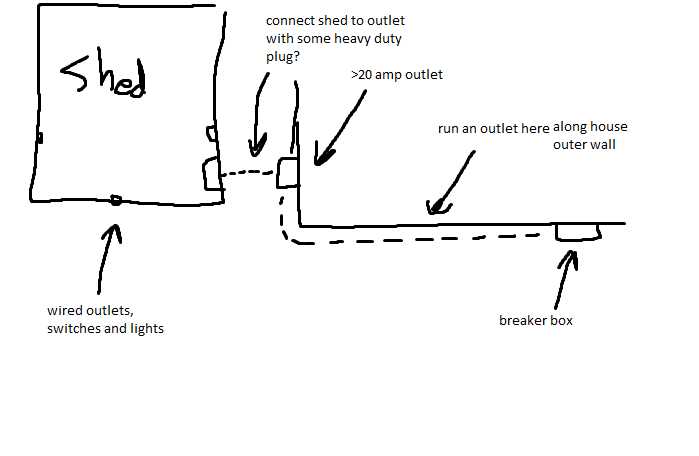
Start by identifying the key areas that will require power. For a typical setup, you may need outlets for general use, lighting for interior and exterior spaces, and dedicated circuits for larger appliances, like a heater or power tools. Determine how much power each area will require and plan for sufficient outlets and switches to avoid overloading circuits.
Next, consider the location of the electrical panel. It should be easily accessible but protected from the elements. Position it near the main power supply, typically the external wall closest to the incoming power line, and ensure there is enough room for a breaker box that fits your needs. A dedicated sub-panel may be necessary for larger structures, allowing you to manage power more effectively.
When placing outlets, think about the intended use of each area. For example, position electrical outlets near workbenches or tools to minimize the need for extension cords. Additionally, plan for exterior outlets if you need to power equipment outside. Consider the height of outlets, placing them at a convenient level to prevent cords from being dragged on the floor.
Finally, think about safety. All wiring should follow local codes to prevent accidents. Ensure proper grounding for each component and that wiring is shielded from damage, especially where it passes through walls or floors. Installing GFCI (Ground Fault Circuit Interrupter) outlets in areas with high moisture or wet conditions will also protect against electrical shock.