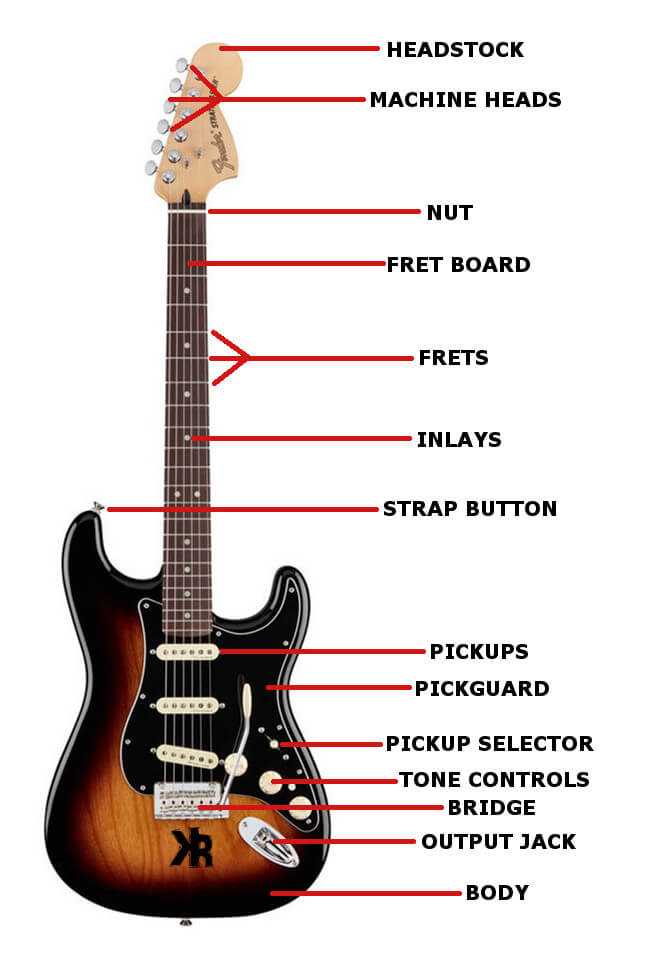
If you’re experiencing issues with your instrument or planning to build or modify one, understanding the components is crucial. Identifying each part will help you troubleshoot or replace specific elements efficiently. Start by reviewing the basic elements like the neck, body, pickups, and bridge, as these are often the source of performance issues.
To replace or maintain your instrument, it’s important to know how different sections interact. For instance, adjusting the truss rod affects the neck’s curvature, which in turn impacts the string height. Similarly, understanding how the bridge or tailpiece works can help you maintain better tuning stability and string alignment. If you’re unfamiliar with these parts, be sure to consult a guide or a professional before making any changes.
Whether you’re replacing a worn-out fretboard, swapping pickups, or tightening hardware, familiarity with the layout and function of each component can simplify the task and ensure a longer-lasting, higher-performing instrument. Stay tuned to the specifics of the materials and settings for your instrument to avoid unnecessary damage during repairs or upgrades.
Guitar Diagram Parts
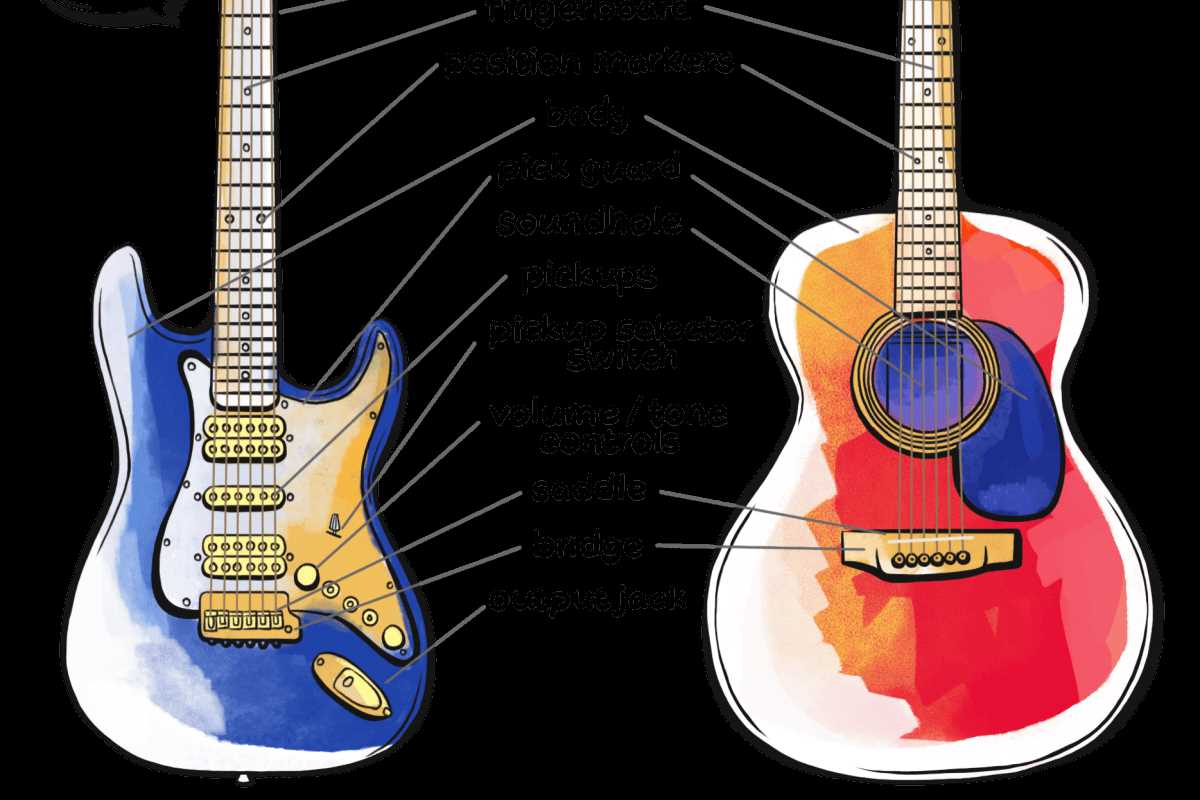
To fully understand how to maintain or repair your instrument, it’s important to first identify each section and its function. The neck is a critical area, where the truss rod can be adjusted to correct the curvature, affecting the playability. Make sure the action is set correctly by adjusting the string height at the bridge and saddles.
The bridge plays a key role in the stability of your strings. Make sure the saddles are properly aligned and the bridge is securely fastened. If you have a tremolo system, check the springs and the overall tension to ensure smooth operation. Regular lubrication of the moving parts can prevent wear and tear over time.
The pickups capture vibrations and convert them into an electrical signal, so keeping them clean is important for maintaining sound quality. Check the wiring for any loose connections or frayed cables, especially around the pickup switch and potentiometers. Replacing old wiring can help eliminate unwanted noise and improve the tone.
The fretboard needs attention too. Over time, fret wear can cause buzzing or dead notes. Regular cleaning and occasional re-fretting may be necessary. Keep an eye on the nut, as it holds the strings at the correct height and spacing for optimal tuning and intonation.
How to Identify the Key Components of a Guitar
Understanding the main sections of a stringed instrument can greatly improve your ability to perform maintenance or repairs. Here’s how to identify and understand the core elements:
- Headstock: This is where the tuners are located. The tuners control the tension of the strings, allowing you to adjust pitch. Check for tightness or slippage to ensure accurate tuning.
- Neck: The long wooden section connecting the headstock to the body. Pay attention to the truss rod, which controls the curve of the neck and affects string height. Adjustments are often made here to prevent issues with string buzz or high action.
- Fretboard: The surface the strings press against to produce notes. Look for wear on the frets, which could cause buzzing or muted notes. Regular cleaning and occasional re-fretting can keep it in good condition.
- Bridge: This is where the strings are anchored to the body. It affects string height and intonation. Check for alignment, and ensure the saddles are properly positioned. If you have a floating bridge, ensure the springs are in good condition.
- Pickups: These are the electromagnetic components that capture string vibrations and convert them into an electrical signal. Inspect for any dirt buildup or damage, and ensure the wiring is secure and intact.
- Body: The main structure that holds everything together. Examine for cracks, dents, or loose hardware. This part can affect both acoustics and comfort, so it’s important to check for any structural issues.
Familiarizing yourself with these parts will allow you to troubleshoot effectively and enhance your playing experience. Proper care and routine checks ensure longevity and optimal performance of your instrument.
Step-by-Step Guide to Assembling Guitar Parts
To assemble the individual elements of a stringed instrument, follow these steps for proper construction:
- Install the Neck: Align the neck with the body’s pocket and secure it with bolts or screws. Ensure the truss rod is adjusted before attaching to avoid unnecessary tension.
- Mount the Tuners: Attach the tuners to the headstock. Tighten the screws securely, ensuring they are aligned with the string paths for smooth tuning.
- Place the Fretboard: Lay the fretboard onto the neck, ensuring proper alignment with the body. If necessary, apply adhesive, then clamp and allow it to set before moving forward.
- Install the Pickups: Position the pickups in the correct slots on the body, making sure the wiring is connected correctly to avoid electrical issues. Secure them in place using screws.
- Fit the Bridge: Attach the bridge to the body, ensuring it is positioned for accurate string alignment. For floating bridges, adjust the springs for proper tension.
- Set the Strings: Begin threading the strings from the bridge, over the nut, and into the tuners. Once all strings are in place, begin tightening them gradually to avoid uneven pressure.
- Check the Action and Intonation: Adjust the saddles on the bridge to achieve the desired string height. Use a tuner to adjust the intonation, ensuring each string plays in tune at every fret.
After completing these steps, conduct a final inspection to ensure all parts are securely attached and functioning properly. Fine-tune the settings, including the neck relief, action, and pickup heights, for optimal performance.
Common Issues with Guitar Components and How to Fix Them
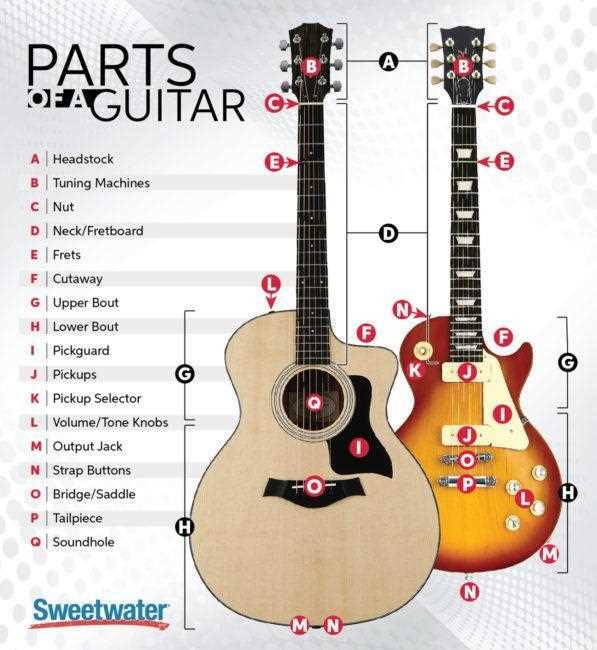
Loose or Rattling Tuners: If the tuning machines are loose or rattling, tighten the screws that hold them in place. If the tuners are worn out, consider replacing them with high-quality replacements.
Buzzing Strings: Buzzing noises often occur due to low action or uneven frets. Raise the string height by adjusting the saddles on the bridge or leveling any high frets. Ensure the neck is properly adjusted using the truss rod.
Uneven Intonation: If the instrument is out of tune along the fretboard, check the intonation. Adjust the bridge saddles so each string plays in tune when fretted at the 12th fret. Use a tuner for precision.
Neck Relief Issues: A warped neck can affect string action and playability. Adjust the truss rod to correct the relief. If the neck does not straighten, consider a neck reset or replacement.
Loose or Broken Bridge: If the bridge is loose or detached, it can be re-glued or replaced depending on the severity of the issue. Ensure that the new bridge is securely fastened, and check the alignment with the body.
Faulty Wiring or Poor Signal: If the electrical components aren’t working properly, check the wiring connections for any loose or broken connections. Re-solder the wires or replace faulty components like the pickups or potentiometers.
Cracked or Damaged Fretboard: Cracks in the fretboard can lead to sharp edges and difficulty in playing. Fill minor cracks with wood glue or fretboard filler. For deeper cracks, a professional repair may be necessary.