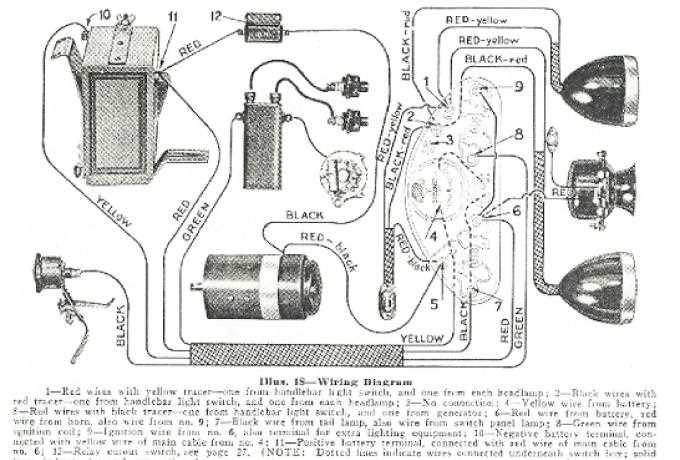
Begin by labeling each cable and connector before removing any panels. Use colored tape or numbered tags to keep track of circuits and prevent misplacement during reassembly.
Focus on the ignition and charging circuits first as they are the most common points of failure. Verify connections with a multimeter to confirm continuity and proper voltage levels.
Refer to manufacturer schematics for component locations including lights, switches, and fuse boxes. This ensures you follow the correct paths for signal and power lines without guesswork.
Test each segment individually after installation. Connect one section at a time and check for correct operation before proceeding to the next part, reducing troubleshooting time later.
Keep spare connectors and heat-shrink tubing on hand for any worn or damaged terminals. Replacing old contacts immediately avoids intermittent faults that can be difficult to trace.
Step-by-Step Motorcycle Electrical Layouts
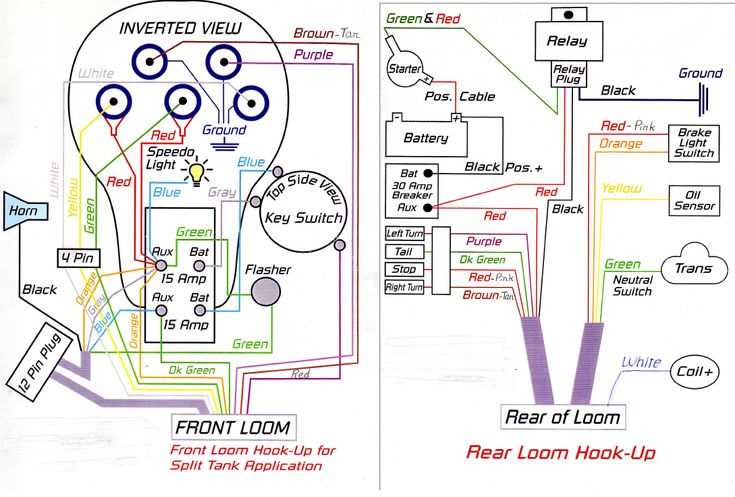
Start by separating all main circuits including ignition, lighting, and charging lines. Label each connection with numbers or colored tape to track assembly order and prevent errors.
Check fuse ratings before reconnecting components to avoid overloading circuits. Replace any blown fuses with exact amperage matches to maintain safe operation.
Follow factory schematics for terminal positions and routing paths. Ensure connectors are seated fully and locking tabs engage properly to reduce intermittent contact issues.
Inspect battery terminals and ground points for corrosion or looseness. Clean surfaces with a wire brush and apply dielectric grease to improve conductivity and prevent future voltage drops.
Test each subsystem individually by applying power to one section at a time. Confirm indicator lights, starter operation, and charging output before connecting additional circuits.
Replace frayed or cracked insulation immediately using heat-shrink tubing or high-temperature electrical tape. This prevents shorts that can damage sensitive electronics.
Keep a multimeter handy during installation to measure voltage, continuity, and resistance. This allows quick identification of misrouted or disconnected leads without disassembling multiple sections.
Document modifications or repairs with photos or notes to maintain a clear record of any changes. This simplifies future troubleshooting or upgrades and avoids repeating previous mistakes.
Identifying Key Cables and Connectors on Motorcycles
Begin by labeling each lead and terminal using colored markers or numbered tags. Focus first on the ignition, starter, and battery lines as they carry the highest current. Inspect connectors for bent pins or corrosion and clean them with contact cleaner. Keep small zip ties ready to secure loose lines along the frame to avoid friction damage.
Document the main circuits visually to make future troubleshooting easier. Follow these steps:
- Trace headlight and taillight feeds from the switch to bulbs
- Identify fuse box terminals and note amperage assignments
- Mark starter relay connections and confirm proper engagement
- Check signal and brake light leads for consistent continuity
- Label sensor and indicator lines for the instrument cluster
Using this organized approach reduces mistakes during assembly and ensures each component receives correct voltage without interference.