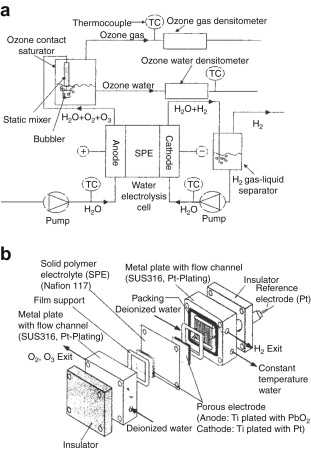
Connect the main power supply to the positive and negative terminals using insulated leads rated for the expected current. Ensure all connections are tight and free from corrosion to maintain stable voltage during operation.
Install the electrodes in the electrolyte solution with proper spacing to prevent shorting. Use clamps or holders to keep them steady and fully submerged, while avoiding contact with the container walls to reduce electrical leakage.
Route control and sensor leads separately from high-current lines to prevent interference. Secure them along stable surfaces using insulated clips to minimize vibration and accidental disconnection during operation.
Test the voltage across each electrode pair before full operation. The expected range should match the power source settings, and any significant deviation indicates a loose connection, contaminated electrode surface, or electrolyte imbalance.
Electrolysis Cell Electrical Setup Guide
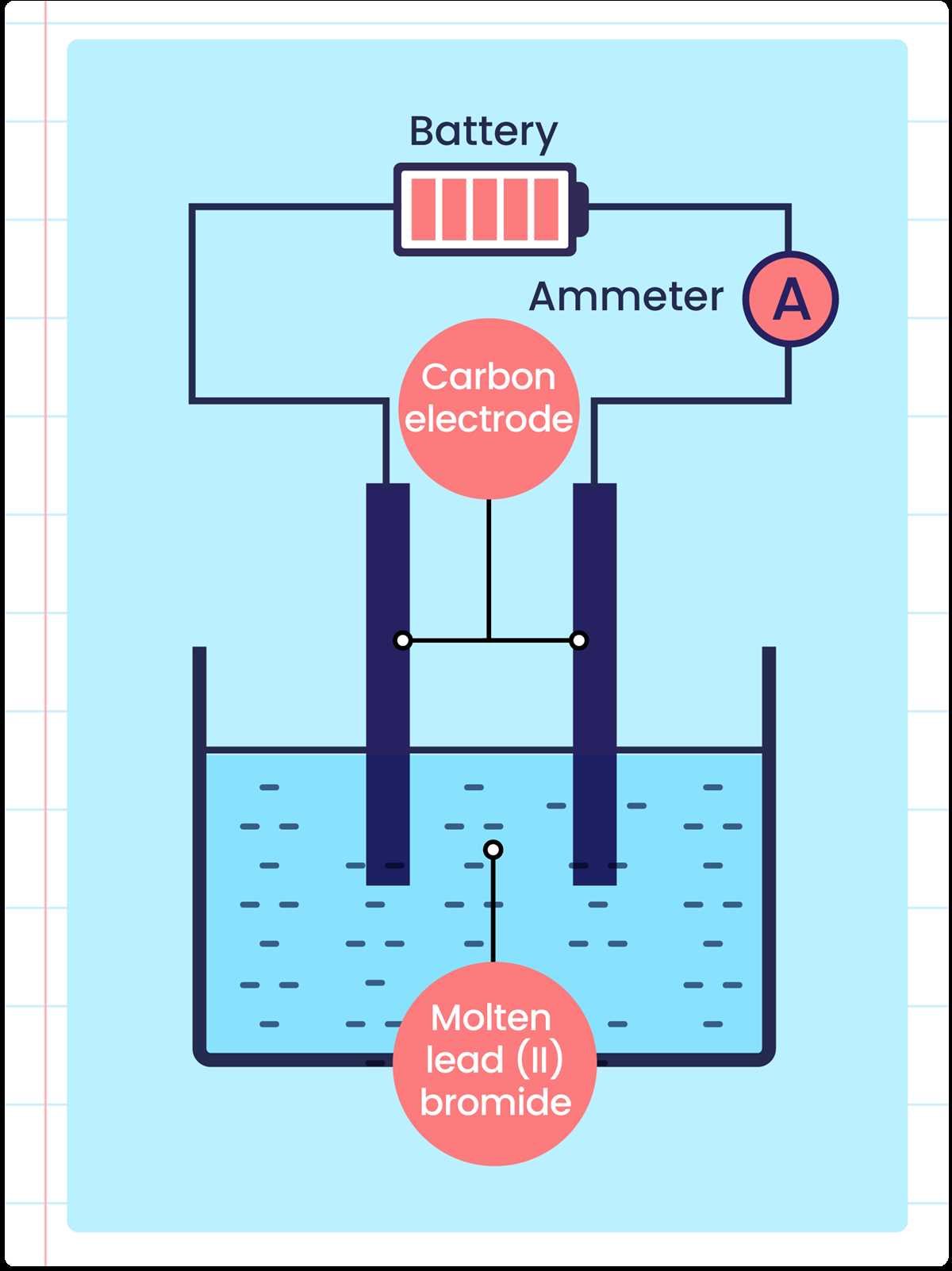
Attach the power leads directly to the positive and negative terminals of the cell using corrosion-resistant clamps. Confirm that the source delivers a stable 12 to 14 volts under load, and avoid loose connections that could cause sparks or uneven current distribution.
Connect any monitoring sensors and control lines separately from high-current paths to reduce interference. Secure all leads with insulated clips and verify continuity with a multimeter to ensure accurate readings and reliable operation during hydrogen and oxygen generation.
Identifying Power Supply and Ground Points
Locate the main positive terminal of the unit and verify the voltage output using a digital multimeter. Ensure the connection point is clean, free of oxidation, and capable of handling the full load without voltage drop. Tighten clamps according to recommended torque specifications to prevent overheating or intermittent current flow.
Identify a reliable grounding point on the chassis or a metal frame nearby. Confirm continuity between this point and the negative lead to avoid stray currents. Use insulated fasteners or clamps to secure the connection and check that it remains stable under vibration and operating conditions.