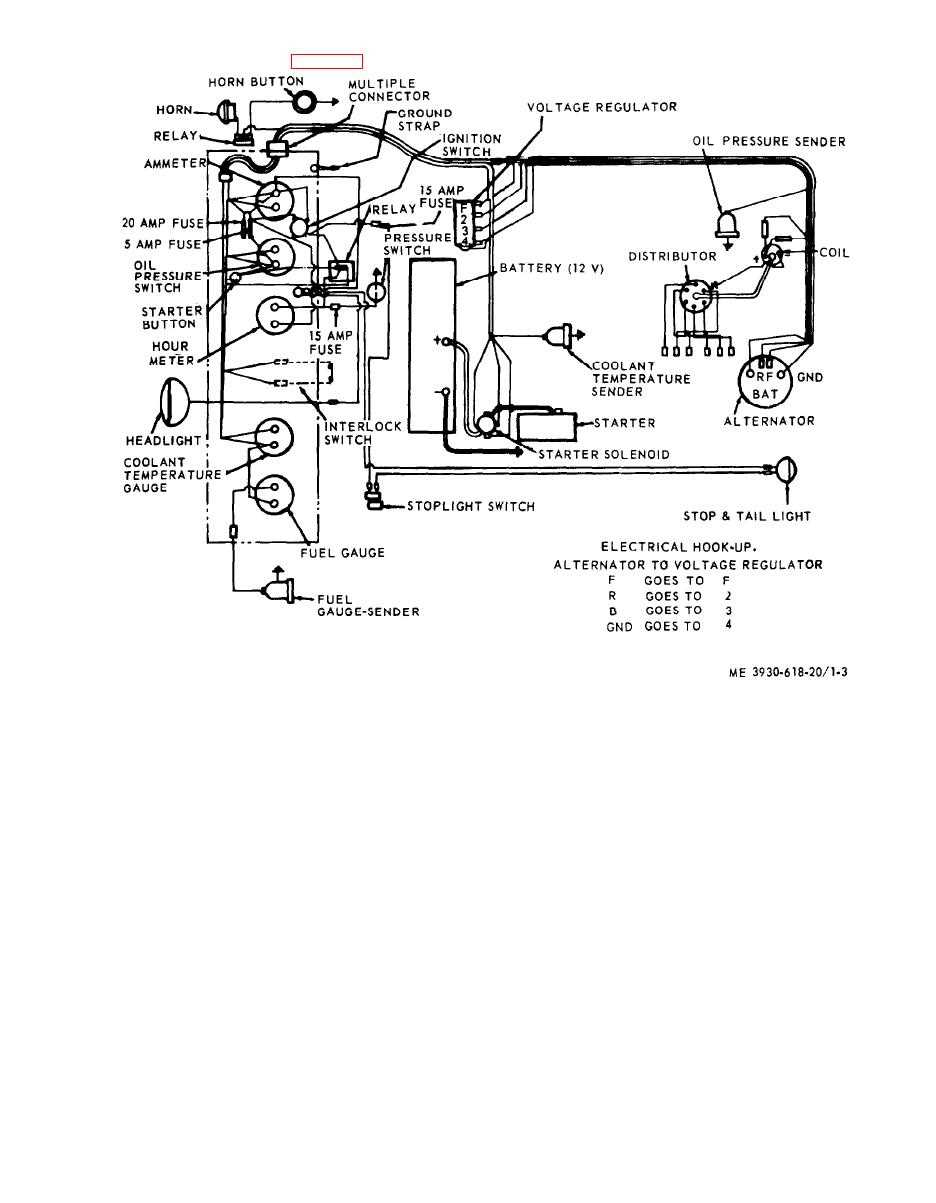
Start by identifying the key components of the electrical setup: the battery, fuses, relays, and wiring. Each of these parts plays a critical role in ensuring your vehicle runs smoothly and safely. The battery powers the entire system, while fuses protect against power surges, and relays control high-power circuits.
Check the wire color codes and the connections carefully: The common color coding for the live, neutral, and ground wires will help you avoid mistakes when working with the electrical system. Make sure you use the right tools to strip and connect the wires securely, ensuring solid contacts and preventing any risk of electrical shorts.
Before beginning any electrical work, always disconnect the battery to avoid accidental shocks or damage to sensitive components. Verify the layout with a schematic to ensure the wiring is properly aligned with your vehicle’s specifications.
Once you understand the wiring and connections, use a multimeter to test for continuity and voltage. This will help you detect faults and confirm whether components are working as expected. Don’t forget to check the ground connections, as poor grounding is a common cause of electrical failures.
Understanding the Electrical Layout
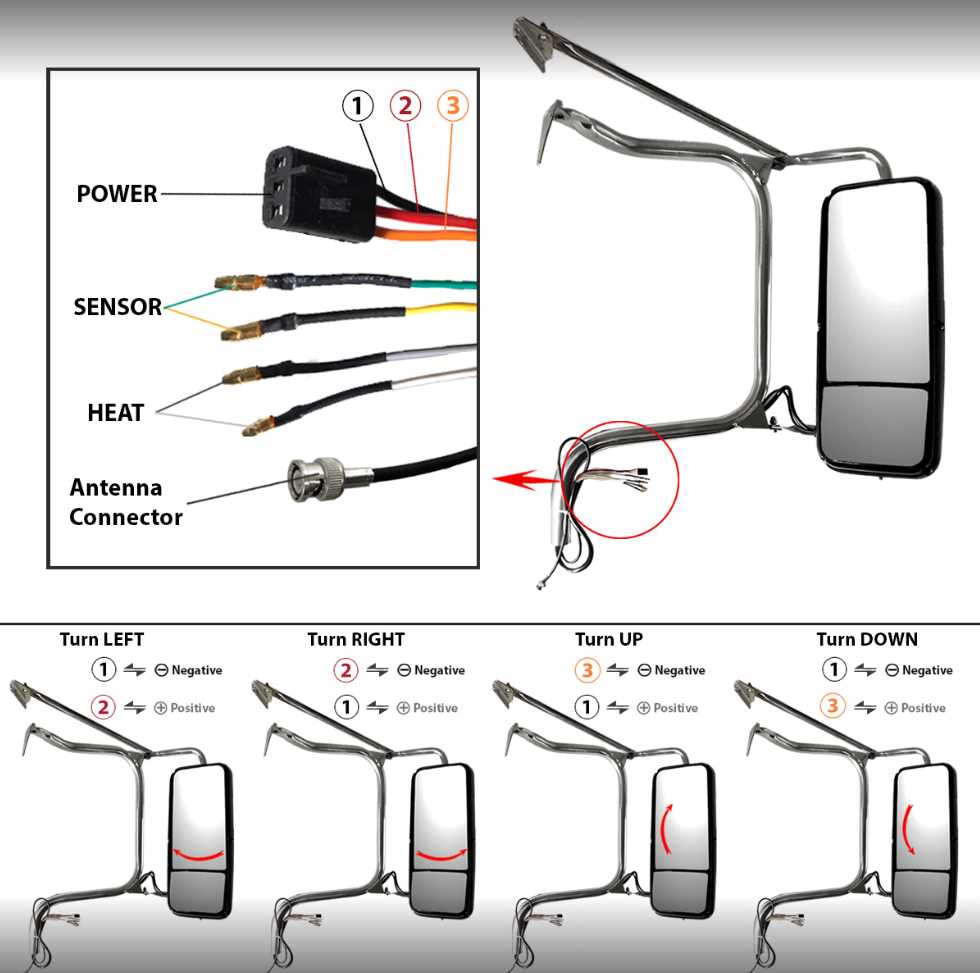
Start by reviewing the color codes and positions of the connectors. The live wire typically has a black or red coating, the neutral is white, and the ground wire is green or uncoated. These colors are standardized to prevent incorrect connections, ensuring the safety and functionality of the electrical system.
Verify the Connections: Each wire should be securely inserted into the correct terminal. The live wire should always be connected to the brass terminal, the neutral wire to the silver terminal, and the ground wire to the green terminal. Misplacing any of these connections can result in malfunction or, worse, a short circuit.
Step-by-Step Process
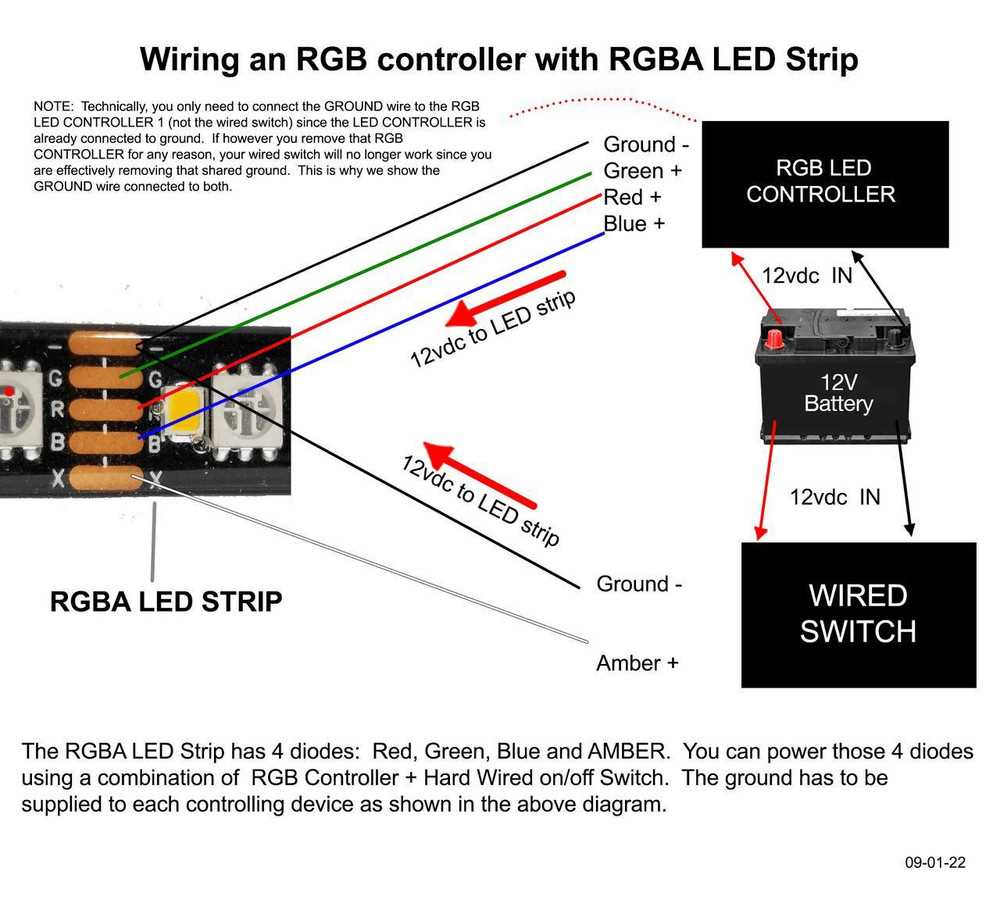
To begin, strip approximately 1 inch of insulation from the end of each wire. Avoid exposing more than necessary, as excess wire can create short-circuit risks. Insert the wires into the corresponding terminal slots and tighten the screws securely to ensure a strong connection.
Use the correct tools for this task, such as a crimping tool for the connectors, ensuring a firm fit. If you notice any wires that feel loose after installation, re-tighten them to prevent electrical failures.
Testing the Connections
After completing the connections, it’s important to test the setup. Use a multimeter to check for continuity, ensuring there are no breaks in the circuit. Testing the voltage at different points will also help verify that everything is working as it should. If any issues are found, recheck the wiring for loose or improperly connected terminals.
Finally, confirm that the power supply is properly connected and test the system under a load. If the device operates as expected, the setup is correct. If there are any malfunctions, review the connections again, paying close attention to the grounding and neutral connections.
Identifying Key Wires and Connectors in a Truck
First, recognize the primary wires involved in the vehicle’s electrical system. There are three main types: live, neutral, and ground. The live wire (typically black or red) is responsible for supplying power, the neutral wire (white) returns current to the source, and the ground wire (green or bare) ensures safety by directing any excess current to the earth.
Live Wire: This wire is usually red or black. It should always be connected to the brass terminal in the connector. Ensure this wire is properly insulated and that there’s no exposed copper to prevent short circuits.
- Neutral Wire: This is typically white. It should be attached to the silver terminal. Make sure it’s tightly secured to maintain proper electrical flow.
- Ground Wire: Often green or bare. This wire connects to the green terminal, providing a safe path for excess electrical current to flow into the ground.
Next, verify the connectors are in good condition. Corroded or damaged connectors can lead to power loss or even electrical fires. Inspect each connector for any signs of wear, rust, or bending. Replace any compromised connectors before re-assembly.
Pinouts and Terminal Locations: Ensure that the terminals are clearly marked with their respective labels (brass for live, silver for neutral, and green for ground). Some trucks may have specialized connectors that require specific handling, so always check the manufacturer’s manual for correct placement.
Use a continuity tester or multimeter to confirm that each wire is properly connected to its corresponding terminal. This will help you catch any loose or improperly connected wires that might cause issues later on.
Once the connections are secured and checked, ensure that all wires are properly routed and not in contact with hot surfaces, sharp edges, or moving parts. This will prevent damage to the insulation and protect the vehicle’s electrical system from shorts or failures during operation.