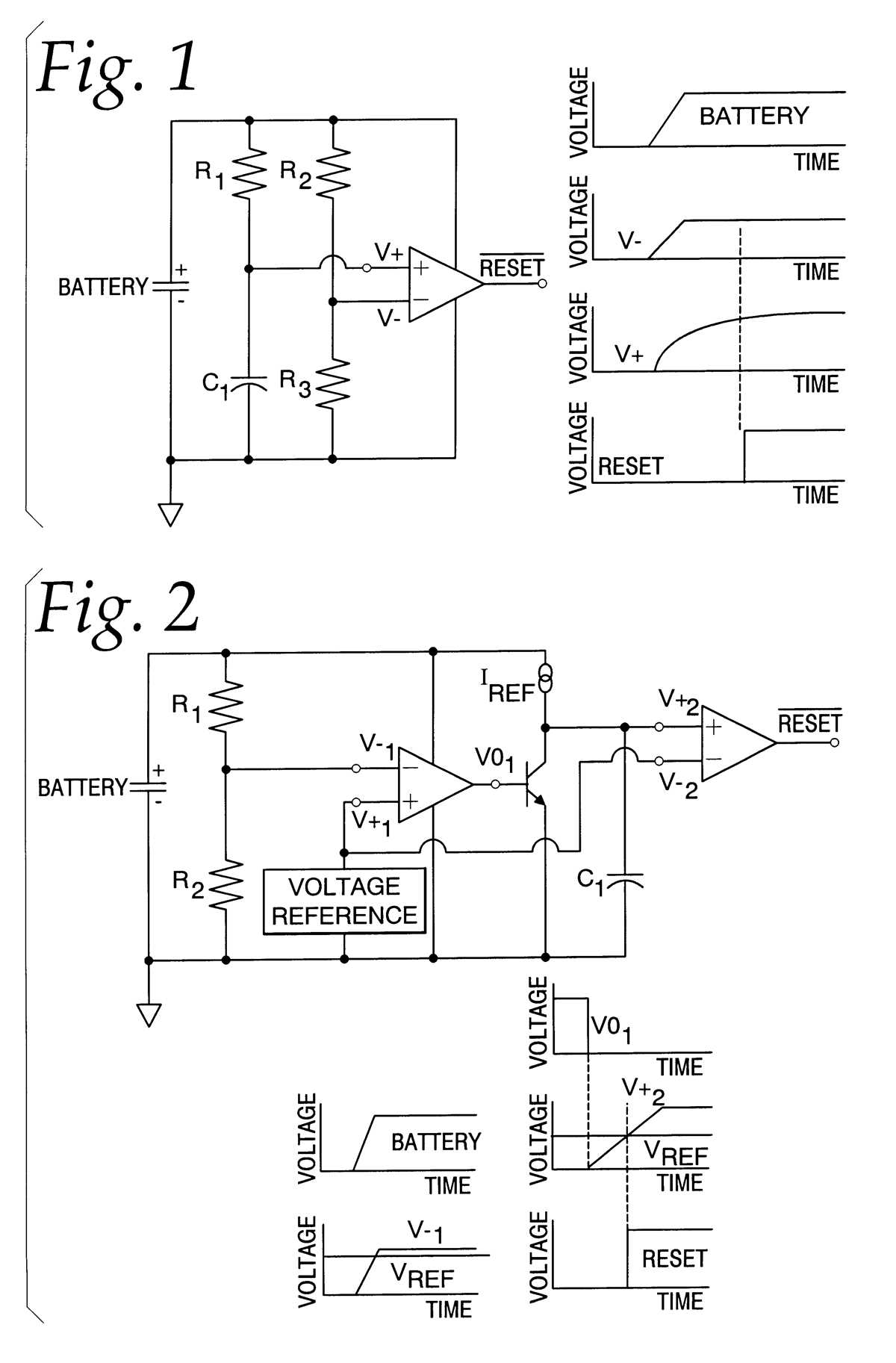
To implement a reliable startup behavior in electronic systems, a stable initialization of all components is necessary. One common method for achieving this is by using a circuit that ensures the system begins operation in a known state. This circuit triggers a voltage spike at power-up, forcing the system to reset and eliminate any undefined states that could affect the performance.
In this process, critical components such as resistors, capacitors, and transistors work together to generate a controlled power-up sequence. The reset signal needs to be stable enough to allow time for all internal components to initialize properly before normal operations begin. By carefully selecting these components, one can create a robust mechanism for ensuring a proper start each time the system powers up.
The configuration of these elements is vital in achieving the desired outcome. Variations in component values or circuit layout can result in either too short or too long of a reset period, both of which can negatively impact the performance. Understanding the roles each component plays in the startup process helps in fine-tuning the design to meet specific system requirements.
Power-on Reset Circuit Design
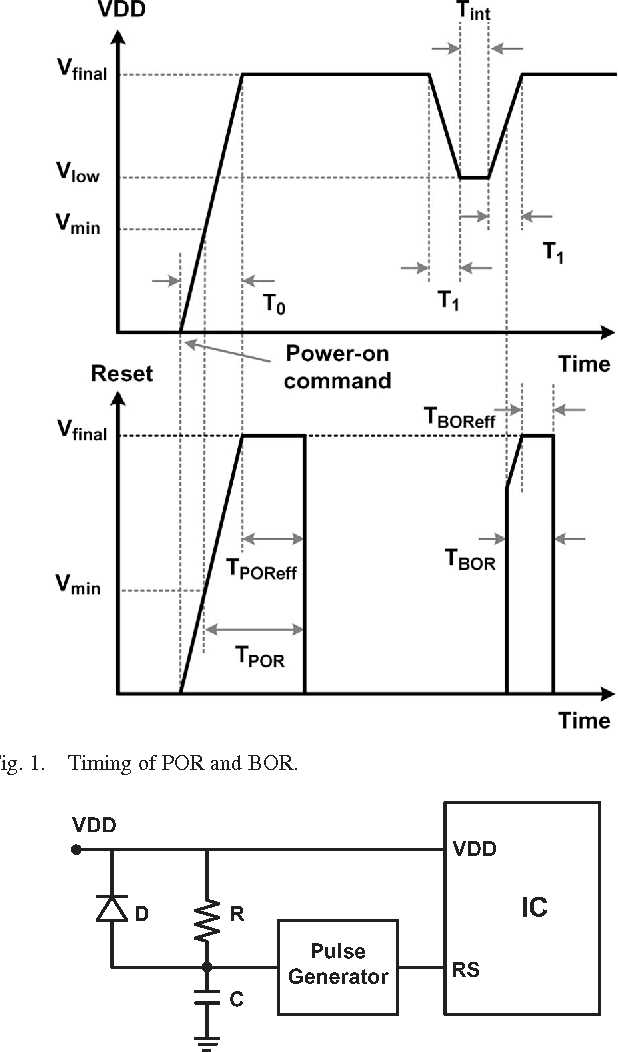
To ensure a system starts in a stable state, an initialization method must be employed to handle the behavior of the components at power-up. A reliable start can be achieved through a well-designed mechanism that forces the system to begin from a known, defined state every time it powers on. By integrating a specific control sequence at the moment the power is applied, you can prevent undesired states that could interfere with system operations.
The main task in designing this start-up behavior is to set the right timing and voltage thresholds for the components involved. Key elements like resistors, capacitors, and transistors all play their part in determining how quickly the reset signal is applied. Fine-tuning the component values ensures that the system will wait long enough for all internal circuits to stabilize, but not too long that it delays normal operation.
Choosing the correct resistor-capacitor values is one of the most critical steps. The time delay before the system stabilizes is directly influenced by the capacitor’s charging rate, determined by the resistor connected to it. Selecting a proper time constant for this RC network ensures the reset signal remains active for the required duration, allowing the entire system to initialize without errors.
Testing the design under different power-up conditions is also important. Variations in input voltage or environmental factors like temperature can affect the behavior of the components. Simulating these scenarios ensures that the system is robust and will perform correctly in real-world situations, offering a solid foundation for reliable, error-free operation in any condition.
Key Components in Power-on Reset Circuit
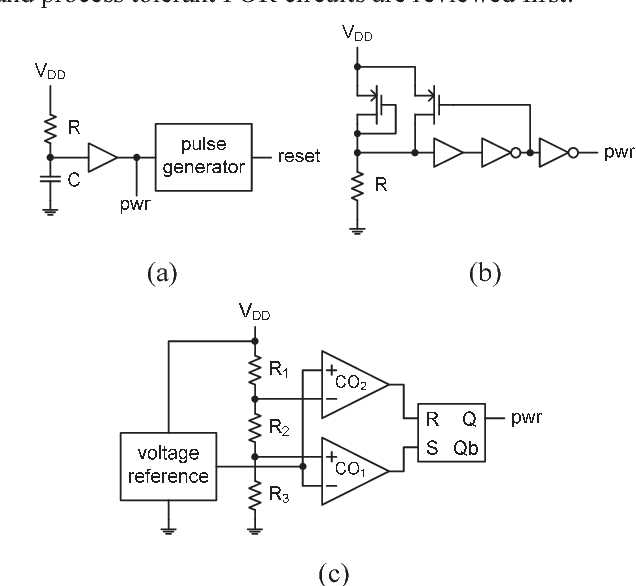
The heart of the start-up initialization lies in a few key components that form the base of the system’s behavior when power is applied. The most crucial of these is the resistor-capacitor (RC) network. This configuration determines the delay before the reset signal is released, ensuring the system remains in a stable state during power-up. The resistor limits the current flow to the capacitor, while the capacitor controls how long the system holds the reset condition.
Next, a transistor is often used to drive the reset signal. When the capacitor is charging, the voltage across it rises gradually. Once it reaches a certain threshold, the transistor switches, releasing the reset signal. This element ensures that the initialization sequence is controlled precisely and that other components only begin operation once the system has reached a stable state.
In some designs, a dedicated reset IC may replace the traditional RC network and transistor. These integrated circuits are specifically built to provide reliable start-up behavior, featuring an internal timing mechanism and built-in voltage monitoring. They eliminate the need for external components like resistors and capacitors, simplifying the design process while providing greater consistency across various operating conditions.
Finally, a voltage reference or a comparator circuit is used to monitor the supply voltage level. This ensures that the reset signal is only triggered when the supply voltage is stable enough for safe operation. If the voltage is too low, the reset signal will hold the system in the inactive state, preventing malfunction due to insufficient power.