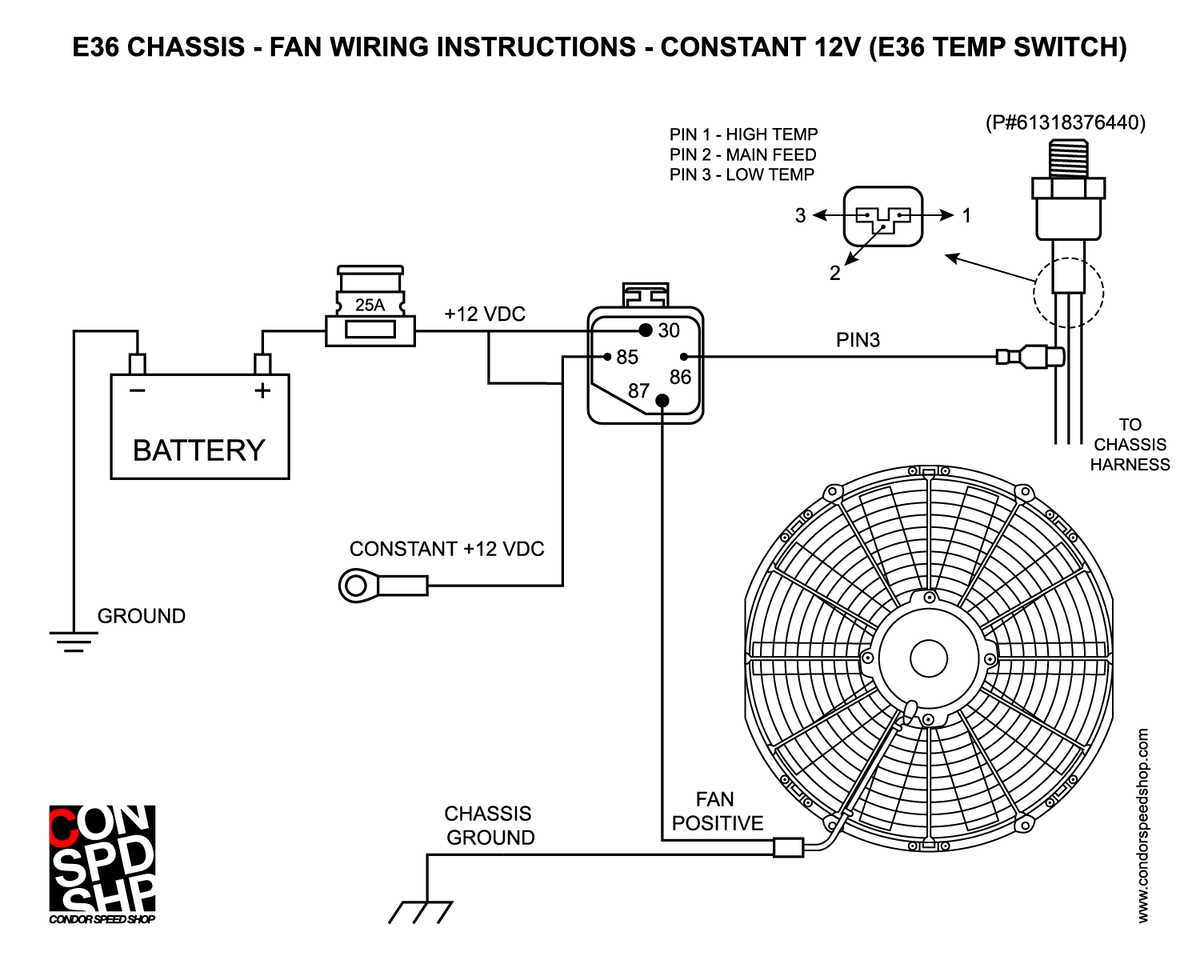
Start by identifying the power input terminals on the motor unit and confirm the voltage rating matches the supply source. Incorrect voltage can cause overheating or prevent the unit from operating. Use insulated connectors to secure each lead and avoid exposed wires that could short-circuit.
Arrange conductors in a clear sequence to maintain stable current across all terminals. Numbering the connections or using color-coded cables simplifies troubleshooting and ensures consistent performance, especially when multiple units are installed in the same circuit.
Test the assembly incrementally by powering one unit at a time and checking rotation and current draw. Measure resistance at each junction to detect loose contacts and verify that the system handles the rated load without fluctuations or excessive heat.
Fan Connection Layout Guide
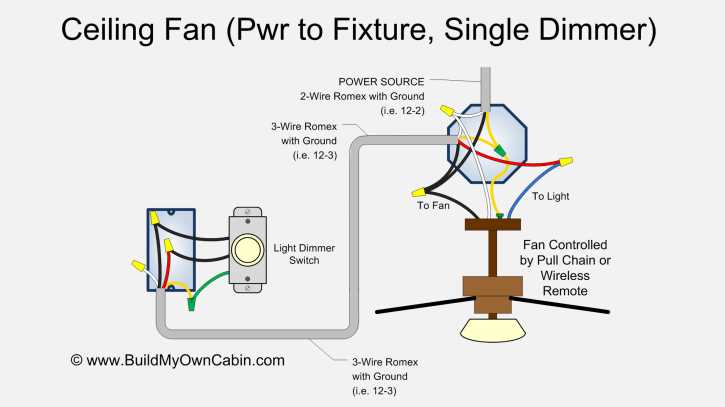
Begin by identifying the input and output terminals of the motor and any control switches. Verify voltage ratings and polarity before making connections to prevent overheating or damage. Use insulated connectors and secure all leads tightly to maintain reliable contact.
Organize the conductors in a sequential path to reduce signal interference and voltage drop. Keep high-current lines separate from low-voltage sensors and use color-coded or numbered cables for easier identification during maintenance. Measure continuity at each junction to detect any loose connections.
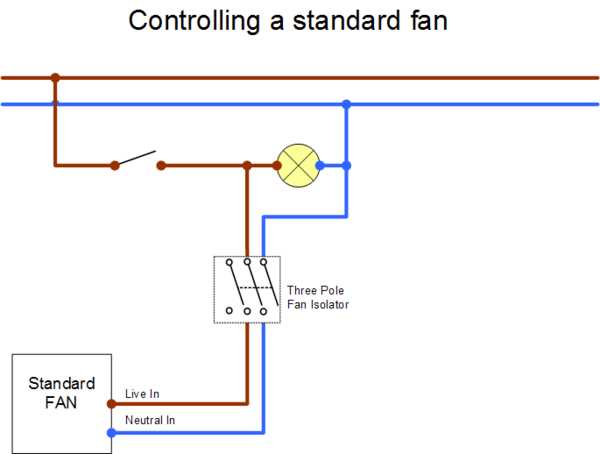
- Connect the power source to the first unit and confirm correct rotation.
- Link additional units in series, checking each addition for proper current draw.
- Secure all mounting points to prevent vibration-induced loosening.
- Perform a final inspection of insulation and terminal tightness before full operation.
Identifying Terminals and Power Sources for Fan Installation
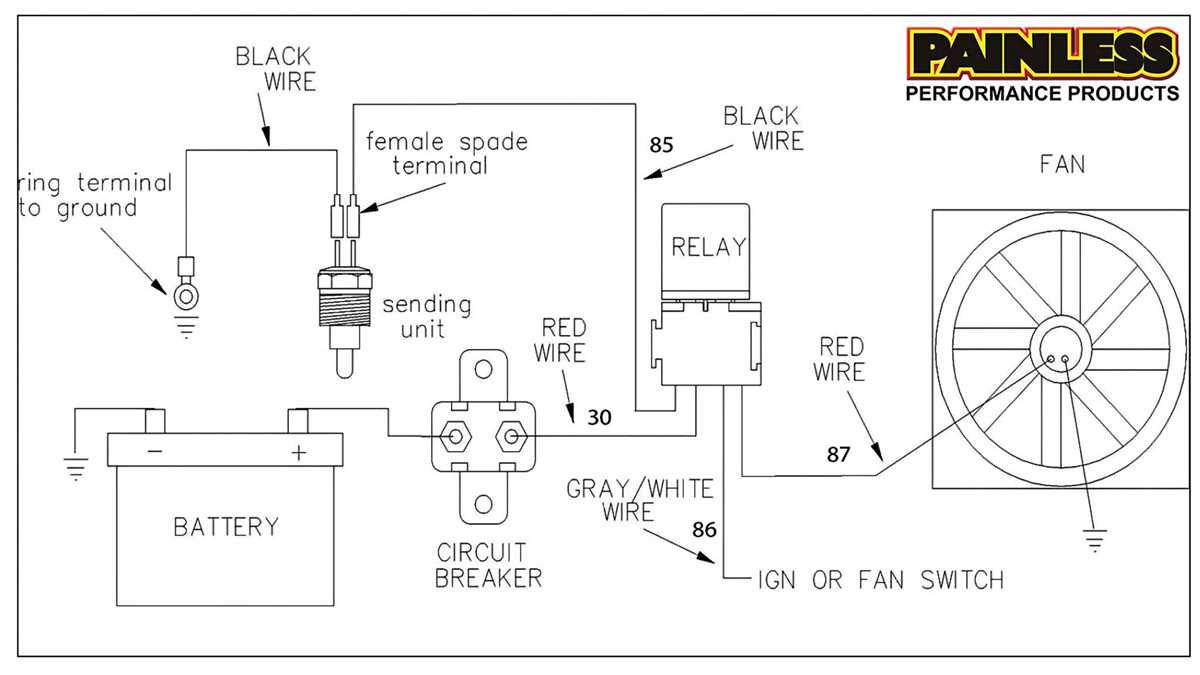
Locate the main input terminals on the motor unit and confirm the marked voltage rating matches your power supply. Incorrect voltage can cause overheating or prevent rotation. Use a multimeter to verify continuity before making permanent connections.
Check the polarity of each lead carefully. Connect positive and negative terminals according to the manufacturer’s label to avoid reversing current flow, which can damage the motor or control electronics.
Examine any built-in control modules such as speed regulators or capacitors. Identify their input and output terminals separately, and make sure each connection can handle the expected current without excessive heating.
Measure resistance across each terminal pair to detect loose contacts or short circuits. Resistance readings outside the expected range indicate a faulty connection that should be corrected before powering the unit.
Use insulated connectors and secure fasteners to prevent vibration from loosening connections. Ensure all exposed conductors are covered, and avoid running wires near sharp edges or high-temperature components.
For installations involving multiple units, label each power source and corresponding terminals. This labeling simplifies troubleshooting and prevents accidental cross-connections that could create overloads.
Perform a gradual test by powering the unit individually and checking rotation, current draw, and heat. Verify that the motor and control modules operate within safe specifications before integrating with additional units or switching devices.