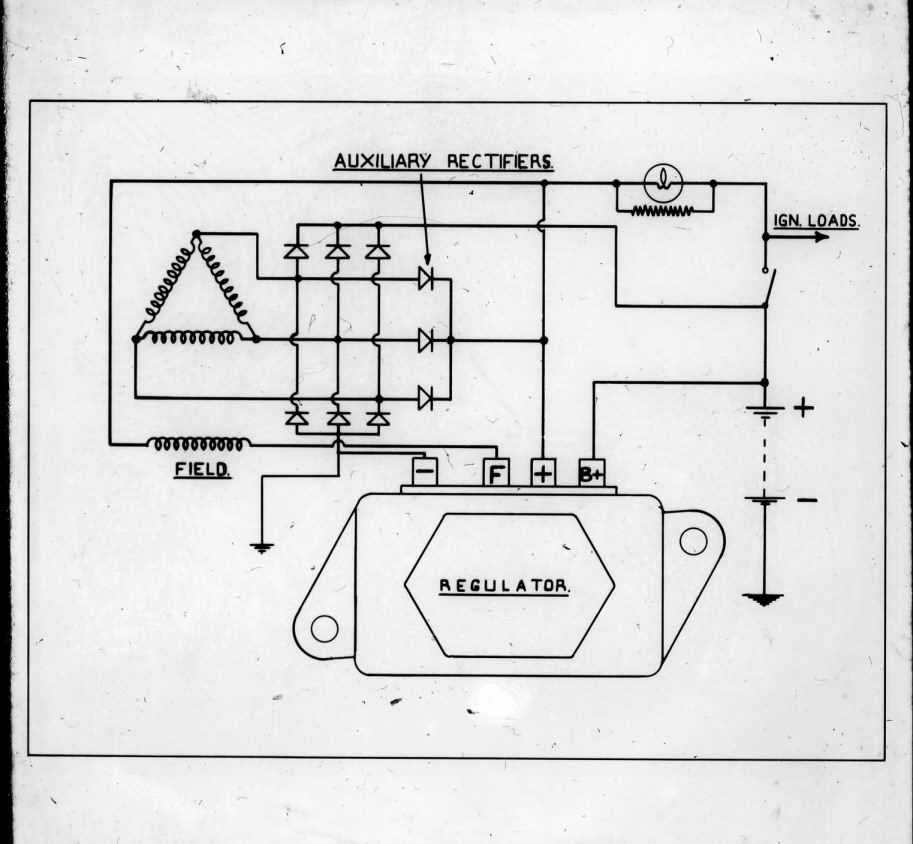
Ensure all input and output terminals are clearly identified before linking the power control module to the charging system. Use a multimeter to confirm continuity and correct polarity for each lead to avoid overloading the battery or internal components.
Secure grounding points firmly to prevent intermittent contact, which can cause flickering gauges or fluctuating readings. Clean any corrosion from mounting surfaces and tighten fasteners to manufacturer torque specifications to maintain consistent electrical flow.
Check the excitation path for proper resistance values and continuity. Confirm that the control module responds correctly to changes in engine speed and load by observing meter readings under varying operational conditions.
Alternator Voltage Regulator Connection Guide
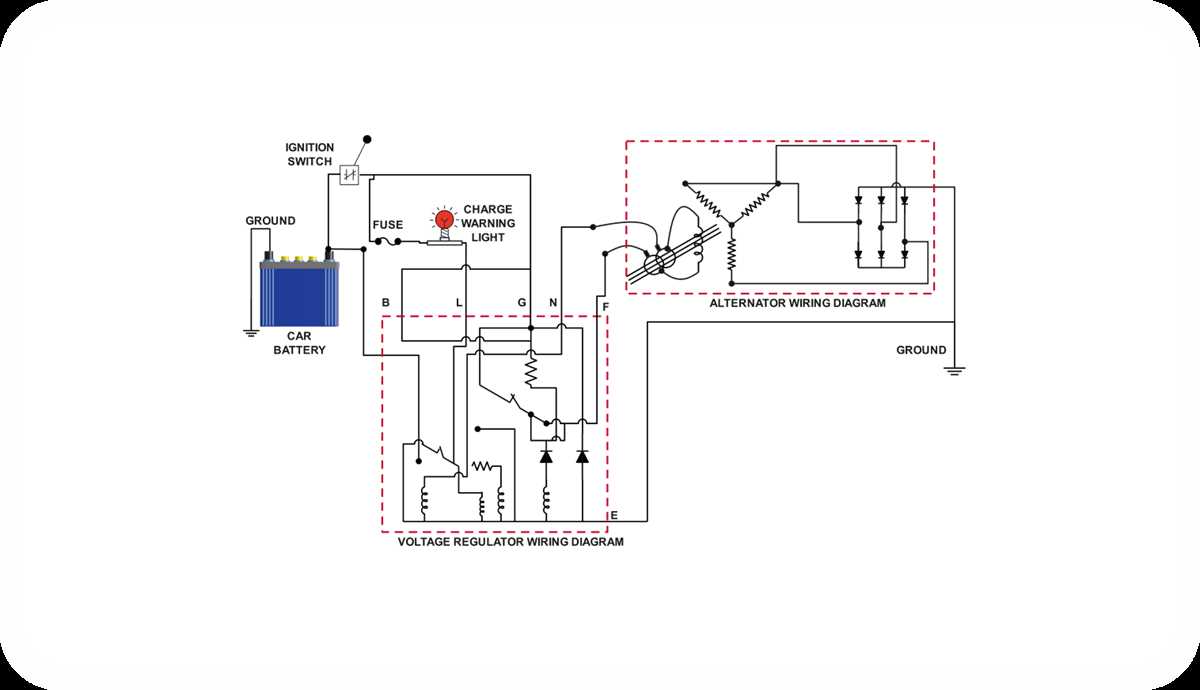
Identify all input and output terminals on the control module before attempting any connections. Use a digital tester to verify continuity and confirm polarity, as reversing leads can damage internal components and trigger erratic performance.
Secure all ground points tightly to maintain stable current flow. Corrosion or loose fasteners on mounting surfaces can create voltage fluctuations, leading to inaccurate readings and potential overcharging of the battery.
Connect the excitation lead directly to the battery positive through a fuse rated according to manufacturer specifications. This ensures consistent energizing of the module and prevents overheating or short circuits during high-load conditions.
Test the system under varying load conditions by observing meter outputs while the engine runs at idle and higher RPMs. Adjust connections if readings fluctuate beyond acceptable ranges to achieve stable operation and protect downstream electrical components.
Identifying Input and Output Terminals for Correct Connections
Verify each terminal using a continuity tester before connecting to the power source. Label input and output leads clearly to prevent reversing polarities, which can damage the control module and other connected components. Inputs typically include battery feed and excitation lines, while outputs direct controlled current to the load.
Follow these steps for accurate identification:
- Inspect terminal markings and compare with manufacturer specifications.
- Measure resistance across suspected input and output pins.
- Check for continuity to known grounds and sources.
Proper identification ensures stable operation and prevents overloading or shorting sensitive parts in the electrical system.