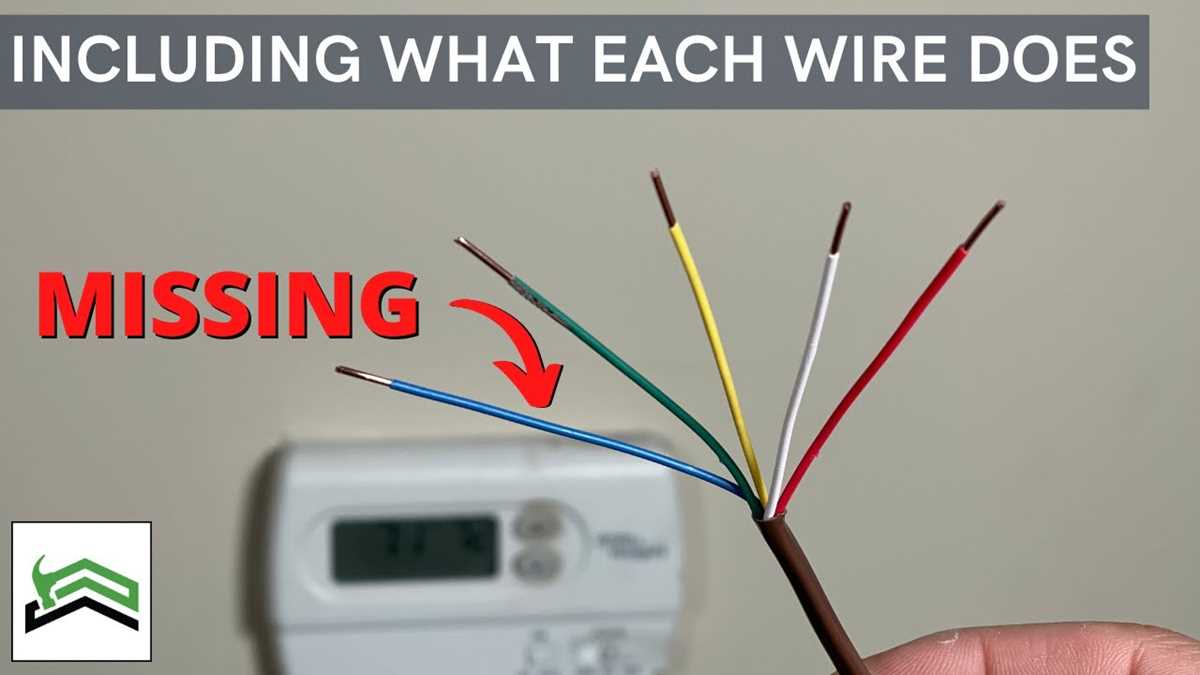
Use the terminal map printed on the equipment panel to verify every conductor before attaching it to the control board. A typical residential gas heating unit operates with a 24-volt control circuit, where labeled terminals such as R, C, W, G, and Y direct signals between the thermostat, blower relay, ignition module, and safety switches. Misplacing even one conductor can interrupt the ignition cycle or prevent the circulation fan from activating.
The control board usually receives line power at 120 V, while the transformer converts this supply to 24 V for thermostat communication. The red lead commonly feeds constant low-voltage power, while the white lead signals a heat demand. The green conductor activates the blower motor relay, and the yellow line handles compressor requests in combined HVAC installations. Checking these labels against the internal terminal chart reduces troubleshooting time and prevents short circuits.
Inside the cabinet, additional conductors link pressure switches, flame sensors, rollout protection, and limit controls. These safety components form a closed loop that must remain intact for ignition to proceed. If one switch opens, the control board halts the ignition attempt and may trigger a fault code through a small LED indicator. Reading the connection chart alongside the board’s terminal markings helps identify the exact path each conductor follows across the heating system.
Manufacturers typically place the connection schematic on the blower door or service panel. This chart shows conductor colors, terminal letters, and the relationship between thermostat leads, transformer outputs, safety switches, and the ignition controller. Careful comparison between this chart and the physical terminal strip ensures that every conductor reaches the correct point in the control circuit.
Connection Layout for a Gas Heating Unit
Check the terminal labels on the control board before attaching any conductors; mismatched letters lead to ignition failure or a silent blower. The low-voltage block usually carries markings such as R, C, W, G, and Y. Red typically feeds 24-volt power from the transformer, white calls for heat, green activates the fan relay, and yellow links to the outdoor compressor circuit.
Inspect the service panel on the heating cabinet door because manufacturers place the connection layout there for quick reference during installation or repair. Compare the printed layout with the actual board pins and thermostat cable colors. If color coding differs, rely on terminal letters rather than insulation shade.
Typical Thermostat Terminal Roles
- R – 24-volt supply from the transformer.
- C – common return path completing the control circuit.
- W – heat request signal sent from the thermostat.
- G – indoor blower command.
- Y – cooling contact used when an AC system shares the same air handler.
Route the thermostat cable through the cabinet grommet and secure it with a clamp so vibration from the blower motor does not loosen the screw terminals. Leave roughly 10–12 cm of slack inside the compartment. Strip insulation by about 6 mm; longer exposed copper may touch adjacent contacts and short the control board.
High-voltage conductors feeding the blower motor and ignition module remain separate from the thermostat circuit. These lines normally run at 120 V or 240 V depending on the region. Use insulated spade connectors and confirm the breaker is off before touching the supply leads.
Quick Verification Steps After Assembly
- Restore power at the breaker.
- Set the wall controller to heat mode and raise the setpoint.
- Confirm a click from the control relay within 5–10 seconds.
- Observe ignition sequence: inducer fan → igniter glow → gas valve activation.
- Check that the circulation fan begins roughly 30–60 seconds after burner ignition.
If the unit does not respond, measure voltage between R and C; the meter should show about 24 V AC. No reading points to a failed transformer, tripped door switch, or broken thermostat cable. Trace each conductor against the cabinet connection layout until the fault appears.
How to Identify Thermostat, Transformer, and Control Board Connections on a Rheem Furnace Wiring Diagram
Locate the thermostat terminals first by finding the low-voltage terminal strip labeled with short letter codes such as R, C, W, G, and Y. These letters correspond to heating call (W), fan relay (G), cooling signal (Y), power supply (R), and common return (C). On the circuit schematic for a heating appliance, these terminals usually appear near the edge of the page with thin low-voltage lines running toward a wall temperature controller symbol. Trace each conductor from those labels to confirm the path between the thermostat and the internal control electronics.
The step-down transformer can be recognized by two separate voltage sides. The primary side typically connects to 120 V or 240 V supply lines and is drawn with thicker conductors or labeled “L1” and “Neutral.” The secondary side usually outputs around 24 V AC and feeds the R and C terminals of the thermostat circuit. On many equipment schematics the transformer symbol appears as two adjacent coil shapes or a rectangular block with voltage ratings printed nearby.
Check for a pair of wires leaving the transformer’s secondary winding and heading directly to the terminal block used by the thermostat. One lead normally routes to R, distributing 24-volt power across control switches. The second lead runs to C and forms the return path shared by relays, gas valve coils, and the electronic control module. If multiple blue or brown conductors tie into the same C node, that cluster usually indicates the common side of the low-voltage circuit.
The main control board is identified by a dense cluster of labeled pins and relay symbols grouped around a rectangular outline. This section typically contains connections marked W, G, Y, R, C, HUM, EAC, or similar abbreviations. Lines from safety switches, pressure switches, flame sensors, and blower relays converge there. On many appliance schematics the board appears centrally positioned because most circuits route through it before reaching motors or valves.
Follow the W terminal from the thermostat path to see how a heating request reaches the control board. The line usually enters a board pin labeled W or W1 and then continues internally to ignition logic or a relay coil. That path confirms the correct thermostat heating connection.
Fan control can be verified through the G terminal. From the thermostat strip, the conductor typically runs straight into the board’s G input, which then energizes a blower relay shown nearby on the schematic. The relay output line proceeds to the indoor blower motor circuit. This chain helps distinguish the fan control path from heating or cooling signals.
Confirm transformer, thermostat, and board relationships by checking voltage labels printed along the lines. Low-voltage circuits show values around 24 V AC, while supply circuits show 120 V or higher. When a conductor from the transformer secondary feeds both the thermostat terminal strip and the board’s R input, the schematic clearly shows how thermostat commands receive power and then return to the board through W, G, or Y signal lines.