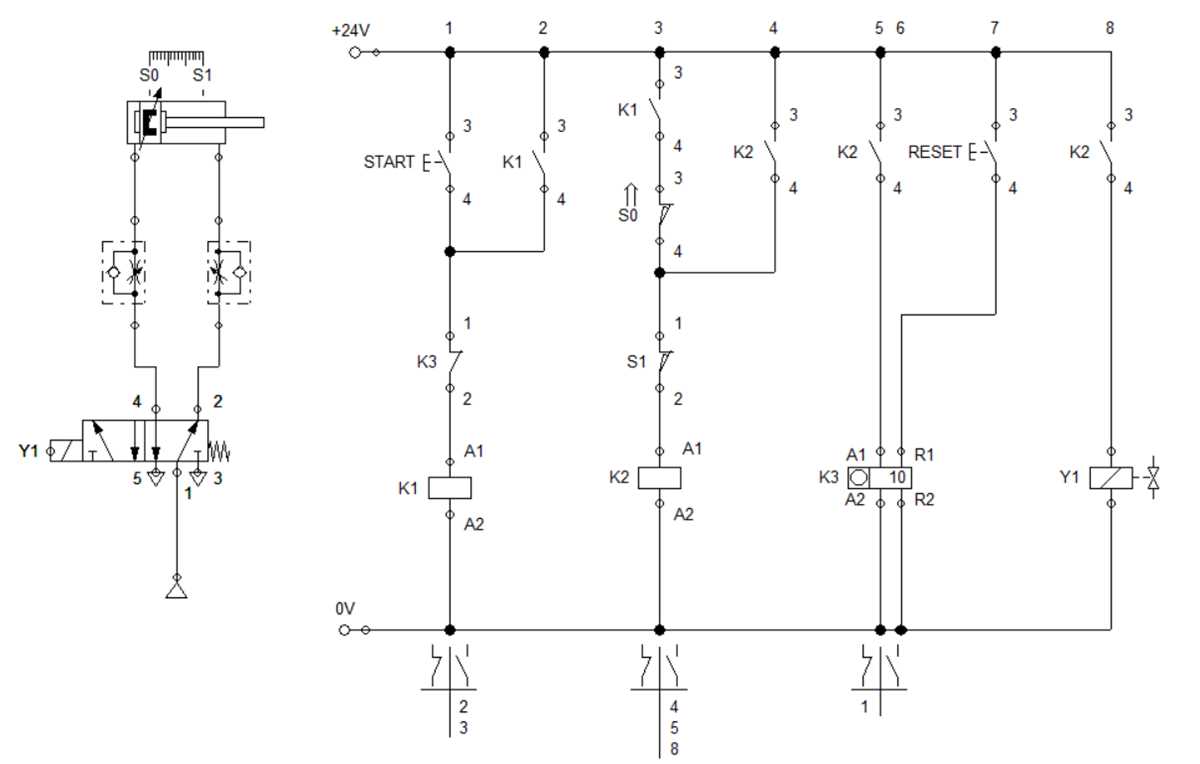
Confirm the function of each valve and actuator before making any connections. Incorrect placement can prevent movement of cylinders or cause pressure drops that affect system performance.
Follow standard color and line codes: blue for supply lines, red for pressure outputs, green for control signals, and yellow for return or exhaust paths. Proper matching ensures consistent operation of actuators and safety devices.
Use clean, lubricated fittings to reduce wear and prevent air leaks. Secure tubing with clamps and supports to avoid kinks or vibrations that can reduce airflow or trigger malfunctions.
Test each component with a pressure gauge or flow meter to verify operation before integrating multiple modules. Recheck connections after initial activation to maintain stable performance and avoid unexpected shutdowns.
Pneumatic Circuit Connection Guide
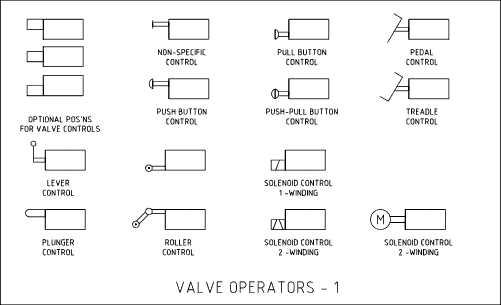
Verify the function of each valve before connecting lines. Incorrect connections can block actuator movement or create uneven pressure distribution across the system.
Use color-coded tubing to match supply and return paths: blue for compressed air supply, red for outputs to actuators, green for control signals, and yellow for exhaust lines. Proper identification reduces the risk of leaks and operational errors.
Secure all connections with push-to-connect fittings or threaded couplings. Loose joints can cause pressure loss, which reduces the efficiency of cylinders and can damage sensors.
Arrange tubing to avoid sharp bends or kinks. Smooth airflow prevents turbulence that could delay actuator response or create noise within the system.
Install flow regulators and check valves where necessary. Regulators maintain consistent pressure for sensitive actuators, while check valves prevent backflow that could trigger unexpected movements.
Test each module individually using a pressure gauge. Confirm that valves open and close correctly and that actuators extend and retract at the intended speed before combining multiple modules.
Label all lines with tags or markers to simplify maintenance. Clear identification helps prevent accidental cross-connections and speeds troubleshooting during repairs or system upgrades.
Identifying Valves and Actuator Functions
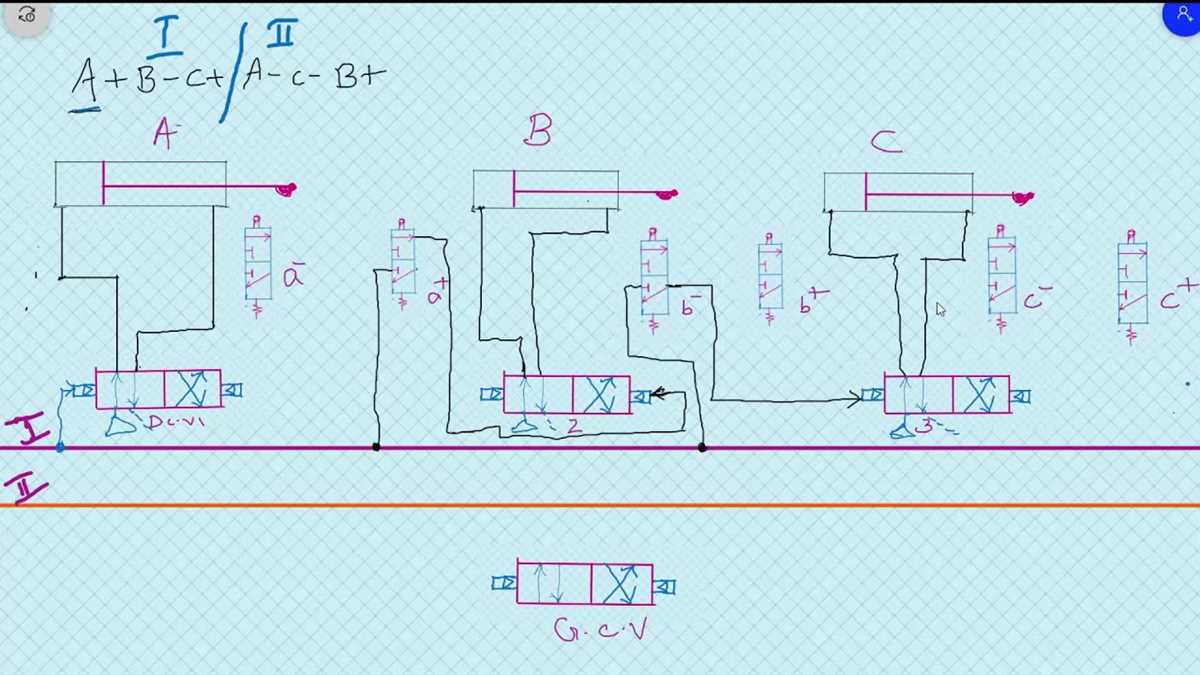
Check the markings on each valve to determine its role in controlling airflow. Directional valves manage the extension and retraction of cylinders, while pressure relief valves prevent overloading in the system.
Observe the actuator type to match it with the appropriate control valve. Single-acting cylinders require a return spring or external line for retraction, whereas double-acting cylinders need separate lines for forward and backward movement.
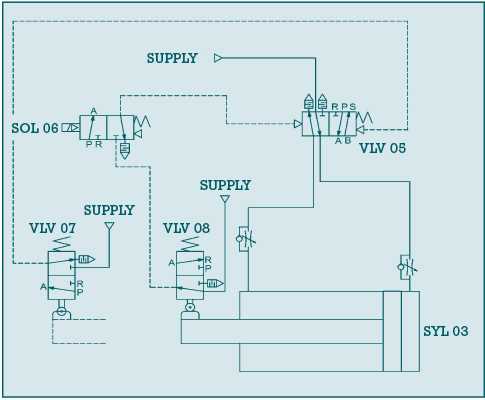
Test each component with a regulated air supply to confirm operation. Verify that solenoid or manual valves respond correctly and that actuators extend and retract smoothly without hesitation or leakage.