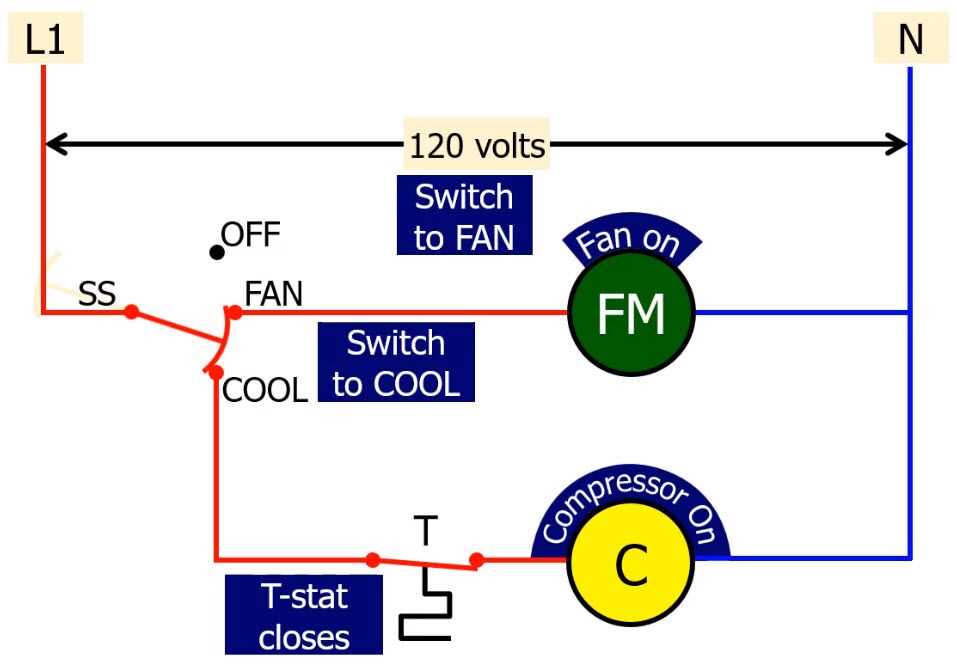
Before beginning installation or repairs, ensure that all connections are correctly mapped and safely executed. For optimal performance, wiring should be straightforward and comply with standard electrical codes. Verify each component for compatibility with the control system before proceeding.
Start by identifying the power sources and ensure they are disconnected from the system to prevent any electrical hazards. Double-check the terminals for connections that need to be securely fitted. Pay close attention to the terminals of the thermostat, blower, and furnace connections as miswiring can lead to system failure or safety issues.
If you’re handling this task independently, use the appropriate wire gauge for the amperage rating of each component. This step ensures that the system can handle the required electrical load. Additionally, confirm the voltage and current specifications of the devices involved to avoid overloading and potential damage.
Lastly, after making all the necessary connections, test the entire system before sealing the installation. It’s important to verify that each part of the system functions correctly in its intended manner. For troubleshooting, always refer to the manufacturer’s instructions or consult an expert if unsure about specific configurations or if problems persist.
Basic Installation Guide for Home Climate Control Systems
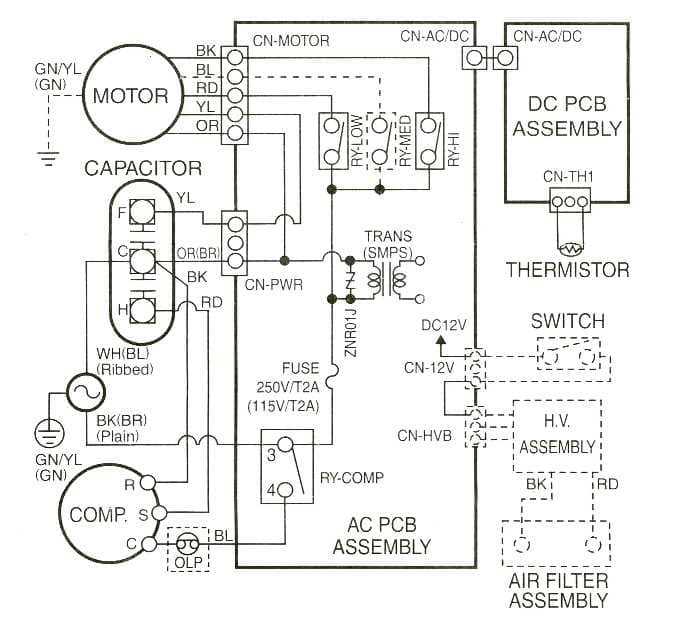
First, ensure the power is off before starting any connection. This step is critical for safety during installation or maintenance. Disconnect the unit from its electrical source and double-check with a multimeter to confirm no current is present in the system.
Next, prepare the control components. The most common components are the thermostat, heating unit, and cooling unit. Each has terminals that must be connected correctly to complete the circuit. For the thermostat, wire the “R” (power) terminal to the heating and cooling units’ corresponding terminals to ensure proper signal transmission.
Correct Wiring of Power Sources
Identify the power supply cables and ensure each wire is connected to the correct terminal. Typically, red wires connect to power terminals (“R”), and white wires are used for heating systems. Blue and yellow wires are often used for cooling systems. Always check the manual to verify the correct color code for your specific system.
Connect the common wire (often blue or black) to the neutral terminal in the system. This will allow the circuit to complete its path and activate the system’s components when the thermostat sends a signal. Ensure no loose ends are exposed to prevent shorts or faulty connections.
Final Checks Before Powering Up
After all wires are securely connected, check that all connections are tight and that no wires are touching other terminals or exposed. Any loose connections or improper wiring can lead to a malfunction. Once everything is in place, power up the system and perform a test to ensure all components are functioning as expected.
If the system does not activate as planned, review the wiring process and check for any disconnected or incorrectly wired terminals. In case the issue persists, refer to the manufacturer’s troubleshooting guide or consult an experienced technician to resolve the issue safely.
How to Wire a Basic Thermostat in an HVAC System
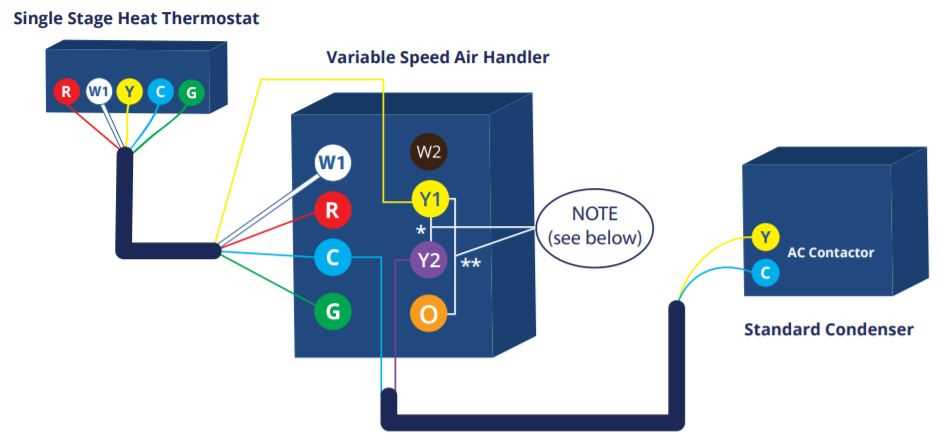
To wire a thermostat, first ensure the power to the system is off. Locate the terminal labels on the thermostat–these typically include labels like “R”, “C”, “W”, and “Y”. Connect the red wire to the “R” terminal, which carries the power from the heating and cooling unit. The “C” terminal is for the common wire, typically blue or black, which ensures the thermostat has a continuous power source. Next, connect the white wire to the “W” terminal for heating control, and the yellow wire to the “Y” terminal for cooling. Make sure each wire is securely fastened to its respective terminal and that no exposed wire is touching another terminal to avoid short circuits.
After securing the wires, carefully mount the thermostat back onto the wall bracket. Double-check the wiring against the system manual to verify the connections. Once everything is in place, restore power to the system and test the thermostat by adjusting the temperature settings. Ensure the system responds correctly, activating heating or cooling as appropriate. If the system doesn’t work as expected, recheck the wiring or consult the thermostat’s user manual for further troubleshooting steps.