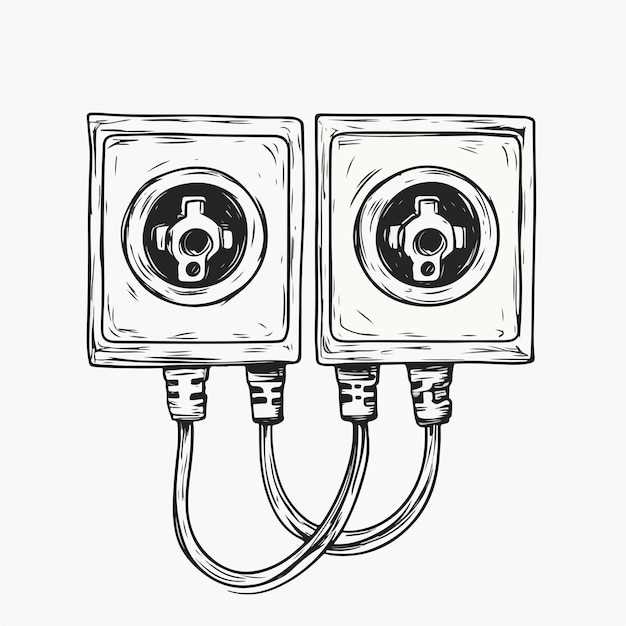
Start by ensuring the power is off before beginning any work with electrical systems. Double-check the breaker and use a voltage tester to confirm no current is present. This step is crucial to avoid any risk of shock during installation.
Next, connect the ground wire to the green screw on the receptacle. The ground wire provides a safe path for electricity to flow in case of a malfunction. Always secure it tightly to avoid any loose connections that could pose a fire hazard.
For the hot wire, attach it to the brass-colored screw. This wire carries the current from the power source. The neutral wire should be connected to the silver-colored screw, completing the circuit. Ensure both wires are properly stripped to expose the copper and avoid any accidental shorts.
Use a tester to check connections before closing the box. After securing all screws, turn the power back on and test the newly installed fixture with a voltage tester. This ensures the installation is correct and functioning safely.
Wiring Electrical Connections Correctly
Always begin by turning off the power supply at the main breaker panel before starting any electrical work. This reduces the risk of electrical shock and ensures a safer installation process. Use a non-contact voltage tester to confirm that there is no power in the circuit before proceeding.
Once power is off, strip the insulation from the wires carefully to avoid damaging the metal beneath. Attach the neutral wire to the silver terminal and the hot wire to the brass terminal. The ground wire should be connected to the green screw on the socket. Make sure each wire is securely fastened, as a loose connection can cause overheating and potential hazards.
Common Mistakes to Avoid
One common mistake is failing to properly strip the wire ends, which can result in weak connections. Another issue is not tightening the screws sufficiently, which could lead to poor contact and malfunctioning. Always double-check that the wires are making full contact with the terminals, and that no copper is exposed after the wire is twisted or bent into place.
How to Properly Wire a Standard Electrical Outlet
Turn off the power at the breaker panel to ensure no current is flowing through the circuit. Use a voltage tester to confirm there is no electrical activity before beginning any installation or repairs.
Prepare the wires by stripping the insulation about 1-2 inches from the ends. The neutral wire should be attached to the silver terminal, while the hot wire connects to the brass terminal. Make sure to tighten the screws securely, ensuring each wire is fully in contact with the terminal.
For safety, connect the ground wire to the green screw on the receptacle. This wire directs any unwanted electrical current safely into the ground, preventing potential hazards like electrical shock or fire.
Once the connections are made, carefully push the wires back into the electrical box, ensuring there is no strain on the wires or terminals. Tighten the screws of the box and secure the cover plate. Finally, turn the power back on and test the installation with a voltage tester to ensure everything is functioning properly.