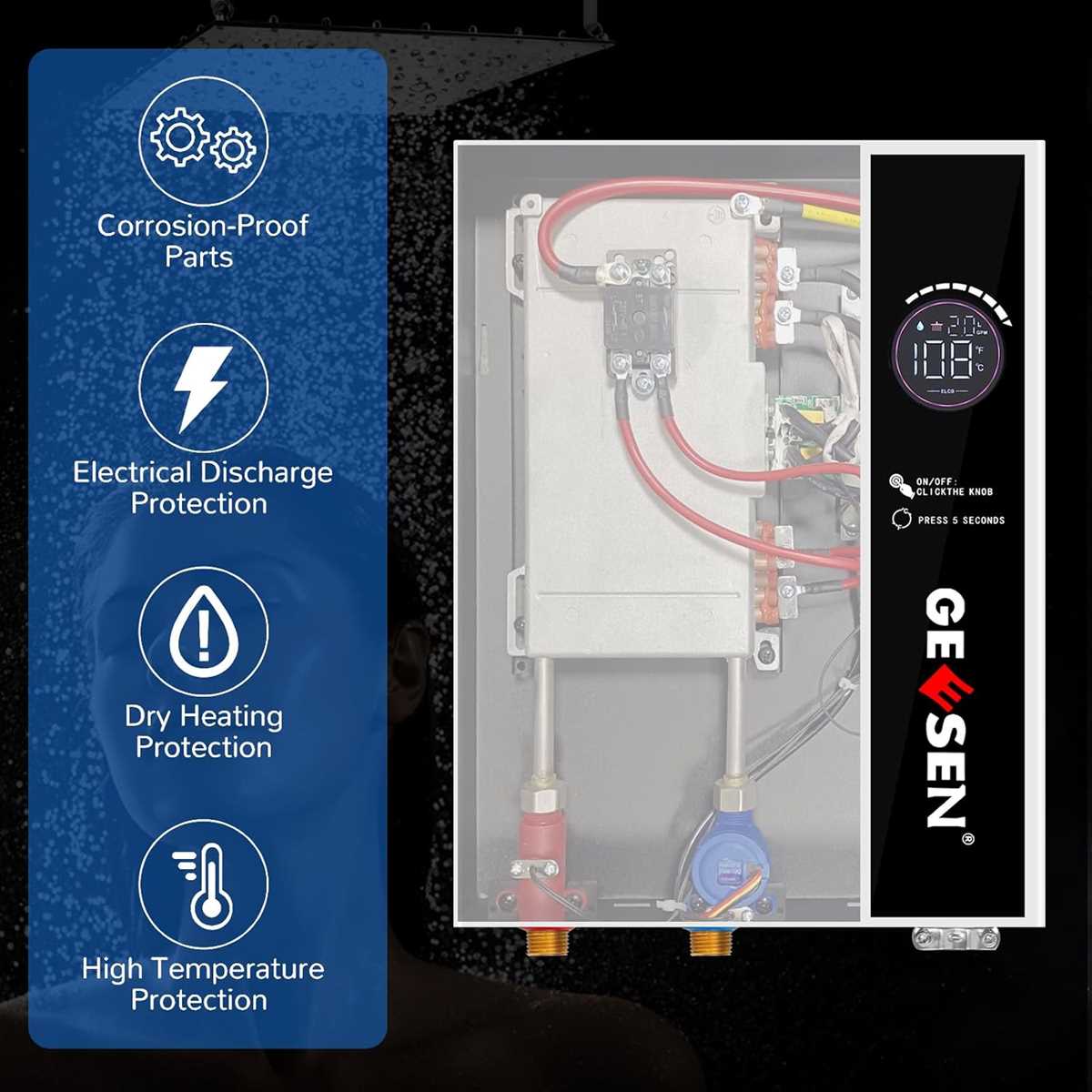
Ensure the electrical system is correctly rated before connecting a high-powered heating appliance. Use a dedicated circuit with a sufficient amperage rating to handle the required load. A proper grounding system is also crucial to avoid safety hazards during operation.
The process of connecting an electric water heating device involves clear steps. First, select the right gauge of wiring based on the appliance’s power consumption. Next, connect the live, neutral, and ground wires to the corresponding terminals. Verify the voltage and current ratings align with the unit specifications for smooth functioning.
Safety is paramount when working with high-voltage systems. Always turn off the main electrical supply before beginning installation. Double-check all connections for tightness and insulation, preventing any short circuits. Testing the system after installation ensures that it operates safely without overloading the electrical circuit.
Residential 240V Water Heater Wiring Guide
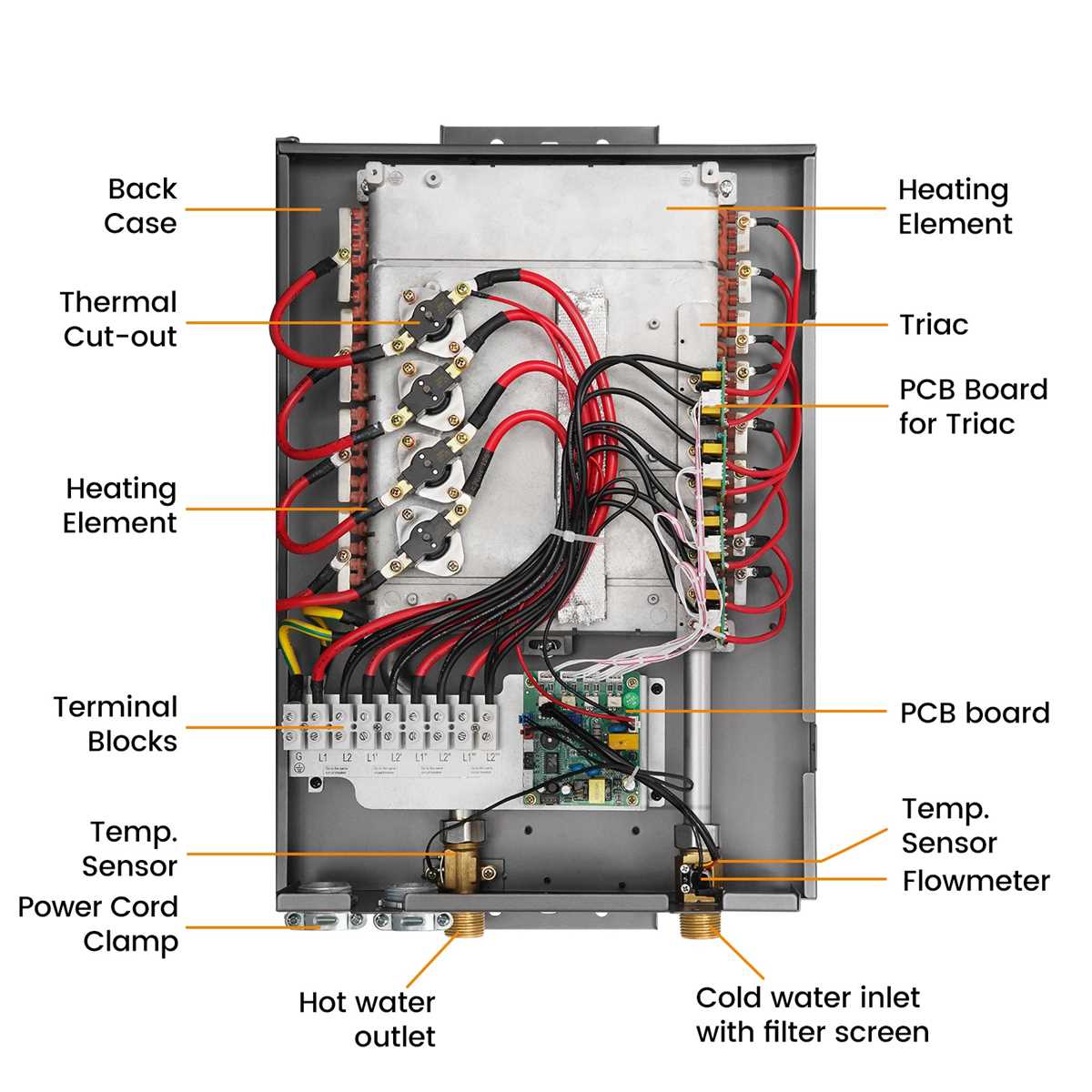
Start by selecting the correct circuit breaker. For a system requiring 240V, a double-pole breaker rated at 30 amps is commonly needed. This ensures adequate power flow to the appliance while protecting the system from electrical overloads.
Use copper wire with the appropriate gauge–typically 10/2 or 8/2 wire, depending on the appliance’s amperage. The wire should be long enough to reach from the breaker box to the installation site without strain. Ensure all connections are securely tightened to avoid any loose contact that could lead to electrical faults.
Grounding is a non-negotiable safety measure. Properly ground the unit by connecting the ground wire from the appliance to the ground terminal in the breaker panel. This reduces the risk of electric shock and ensures the system’s safety in the event of a fault.
Next, connect the live wires to the double-pole breaker in the panel. Attach the neutral wire to the neutral bus bar. The live and neutral wires must be securely clamped to prevent any exposure or electrical shorting, which could lead to hazardous conditions.
After completing the electrical connections, turn on the circuit breaker and verify that the appliance operates as intended. Use a multimeter to check for proper voltage at the terminal connections. If everything is functioning correctly, finish by securing the cover and ensuring all wires are neatly arranged and insulated.
Preparing the Electrical Circuit for Installation
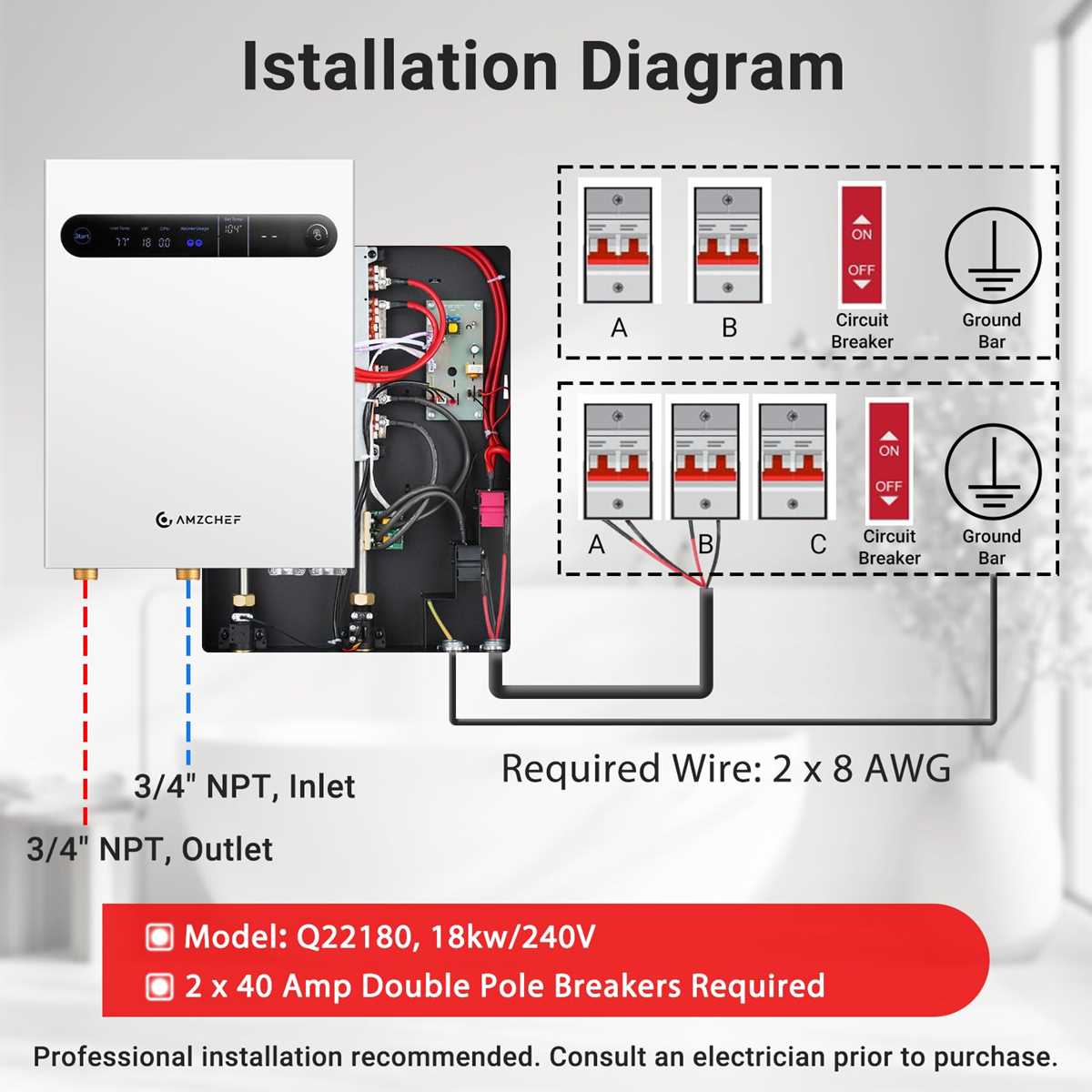
Ensure that the circuit breaker panel has sufficient capacity to handle the load. For most appliances, a 30-amp double-pole breaker will be necessary. Verify that the panel is designed to accommodate this size of the breaker before proceeding.
Install a dedicated circuit by running the appropriate gauge wire from the breaker panel to the location of the appliance. For a 30-amp setup, typically 10-gauge wire is recommended. Double-check the wire’s insulation to ensure it can safely handle the current without risk of overheating or short-circuiting.
Before making any connections, turn off the main power supply to prevent electrical shock. Once the power is off, use a voltage tester to confirm that the area is safe for wiring. Connect the wire ends to the breaker, ensuring that the live and neutral wires are correctly positioned and tightly secured.
After completing the connections, secure the wire along the installation path. Use appropriate clamps or fasteners to prevent the wire from moving or coming into contact with other surfaces. Finally, inspect all connections for any loose strands or exposed wiring that could present a safety hazard.