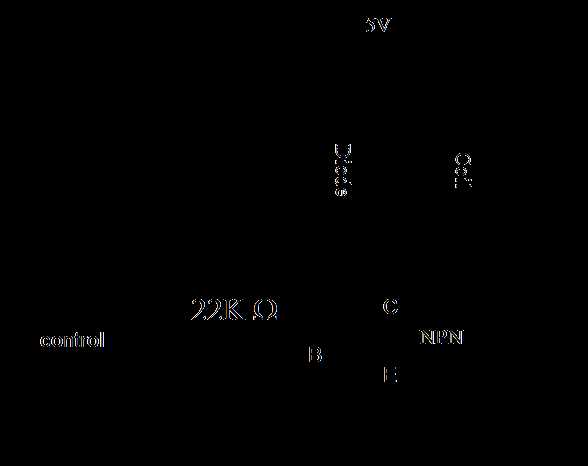
Use insulated copper wire with a diameter between 0.5 mm and 1 mm to wrap around a ferromagnetic core. For a 12V power source, 150–200 turns generate a strong pull without overheating the coil. Connect the terminals using screw connectors to maintain stable current flow and prevent loose contacts.
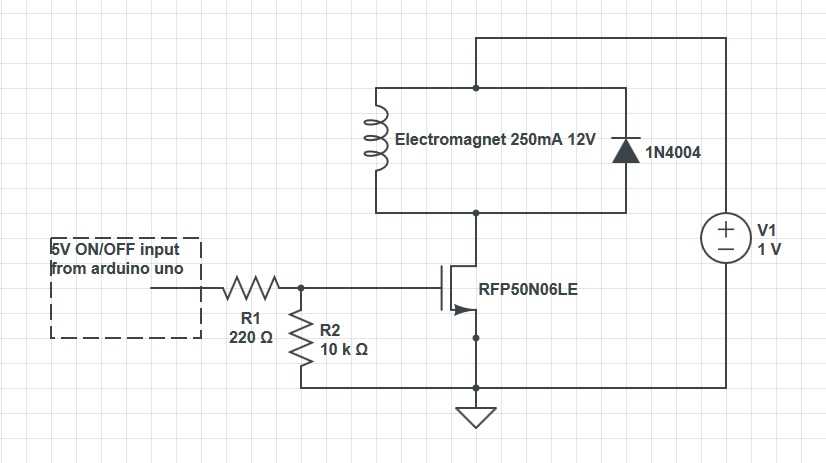
Place a diode in parallel with the coil to suppress voltage spikes when the current is interrupted. This protects the power supply and any controlling electronics from sudden back EMF. Orientation of the diode must match polarity: cathode to positive, anode to negative.
Mount the coil on a non-conductive base to avoid accidental short circuits. Maintain a gap of 2–3 mm between the core and any metal surfaces that should not be magnetized. This ensures the magnetic field is focused where needed, improving response speed and efficiency.
Use a toggle switch or relay rated for at least twice the operating current to control the flow. Solder joints must be clean and mechanically strong; weak connections can create sparks and reduce the lifespan of the assembly. Testing with a multimeter confirms continuity and correct polarity before applying full voltage.
Consider heat dissipation when operating the setup continuously. Adding a small fan or aluminum plate near the core can reduce thermal stress on the wire insulation and prolong operation time without degradation.
Electromagnet Wiring Layout
Use a 12V DC power source to energize a coil wound with 400 turns of 22 AWG copper wire for a strong magnetic field. Ensure the core is soft iron to maximize flux density and reduce energy loss.
Include a diode in parallel with the coil, oriented to block forward current, to prevent voltage spikes from damaging the power supply when the magnetic field collapses.
For switching, a MOSFET rated at 30A and 60V can handle rapid on/off cycles without significant heating. Connect the gate through a 100Ω resistor to control signals safely.
Position a resistor of 10Ω inline to limit inrush current if using a higher-voltage source temporarily, preventing coil insulation breakdown and prolonging lifespan.
Arrange the connections so the positive terminal of the supply reaches the MOSFET drain, the coil connects to the source, and the ground returns to the negative terminal, forming a complete loop with minimal resistance.
Check for tight solder joints and insulated wire routing to avoid shorting or accidental contact, particularly where multiple turns are close to each other on the core.
Test the setup with a multimeter before full operation: verify voltage across the coil matches design, measure continuity, and ensure the switching device activates the magnetic field without overheating or flickering.
Choosing the Right Wire Gauge and Core Material for Your Electromagnet
Use copper wire with a diameter between 18 and 24 AWG for small-scale devices, as it balances current capacity and flexibility. Thicker gauges like 16 AWG increase magnetic pull but demand higher voltage and generate more heat, requiring proper insulation. Opt for enamel-coated wire to prevent shorting when layers overlap. For cores, soft iron yields the strongest response due to high magnetic permeability, while steel offers slower magnetization and demagnetization cycles. Avoid aluminum cores, which drastically reduce field strength.
- Wire length: shorter coils minimize resistance, improving current flow.
- Layering: multi-layer winding increases intensity but raises the risk of overheating; maintain spacing for heat dissipation.
- Core shape: cylindrical or laminated cores concentrate flux lines; toroidal cores reduce energy loss.
- Temperature rating: use wires rated above operational temperature to prevent insulation failure.
- Testing: measure pull force under intended current to select optimal combination of wire gauge and core alloy.