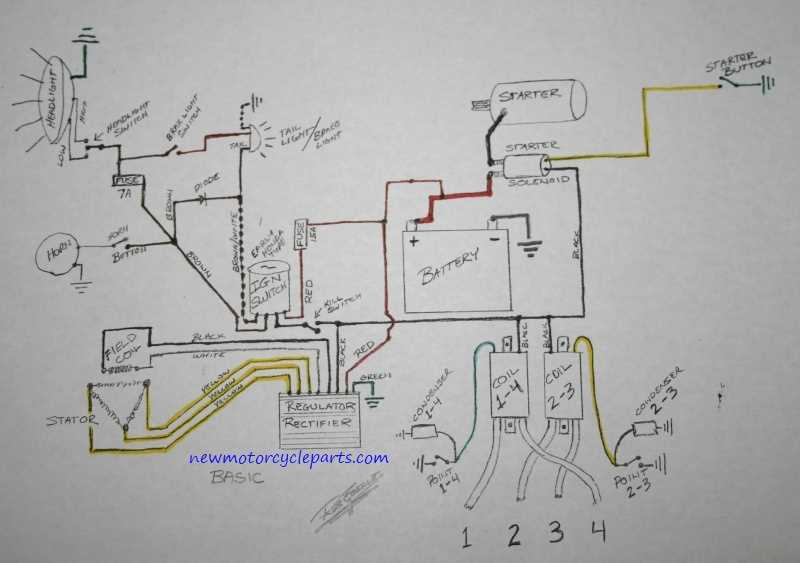
Consult the factory service manual before modifying the power circuits, as each model has unique routing for current paths and connector types. Identify the positive and negative leads for the ignition system first; using a multimeter ensures accurate tracing without damaging sensitive electronics.
Label each connector and wire when removing panels or installing aftermarket components. Color coding varies between brands–green often indicates ground, red or yellow carries switched power, and blue may handle lighting circuits. Misidentifying even one line can lead to blown fuses or short circuits.
Use proper gauge cables for high-current circuits such as starter motors or auxiliary lighting. Undersized lines heat up quickly, risking insulation failure. Always include inline fuses rated slightly above the component’s maximum draw to prevent accidental damage.
Secure routing along the frame to avoid chafing against metal edges or heat sources. Plastic loom or spiral wrap protects against vibration wear. Check connectors for corrosion periodically; moisture buildup is a common cause of intermittent electrical failures on exposed paths.
Test all modifications step by step. Engage each circuit independently before full operation, verifying signal continuity and load behavior. Small diagnostic LEDs or a low-amp test light provide a safe method to confirm connections without overloading the system.
Wiring Layout for Two-Wheelers
Use a multimeter to trace each power and ground line before connecting new components. Label connectors with color-coded tape: red for battery positive, black for chassis ground, green for signal circuits. When adding auxiliary lights or a GPS unit, install an inline fuse rated 2–3 amps higher than the device’s maximum draw. Secure all terminals with dielectric grease to prevent corrosion in humid conditions.
Common points of failure include loose relay pins, oxidized switches, and cracked insulation on high-current paths. Follow this sequence to isolate issues:
- Disconnect the battery completely before testing.
- Check continuity between ignition, regulator, and starter solenoid.
- Inspect connectors under the fuel tank and handlebar junctions for bent or frayed wires.
- Replace any brittle wiring with 16–18 AWG stranded copper suitable for vibration resistance.
Keep all routing away from hot engine surfaces and moving parts, using zip ties and split loom tubing to reduce chafing. Consistent labeling and protective sleeving extend the lifespan of electrical components and prevent intermittent faults during rides.
Identifying Key Electrical Components on a Two-Wheel Vehicle
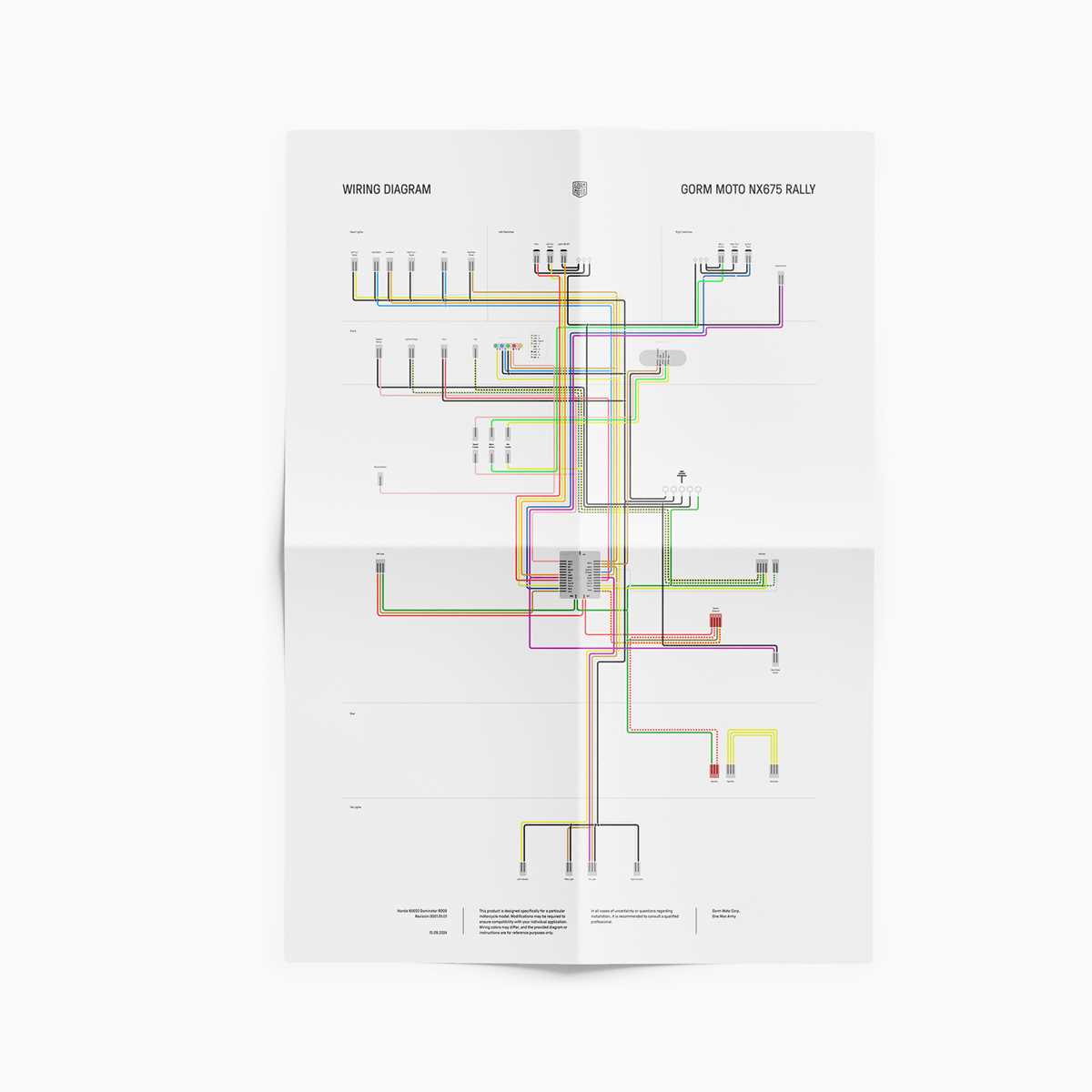
Locate the battery first; check its terminals for corrosion and ensure voltage reads around 12.6V with the ignition off. A weak battery often mimics alternator failure symptoms.
Examine the starter relay and solenoid; these control current flow to the starter motor. A faulty relay can prevent engine cranking despite a fully charged battery.
The ignition switch governs power distribution to lights, gauges, and the starter circuit. Use a multimeter to confirm continuity across all positions.
Charging System Elements
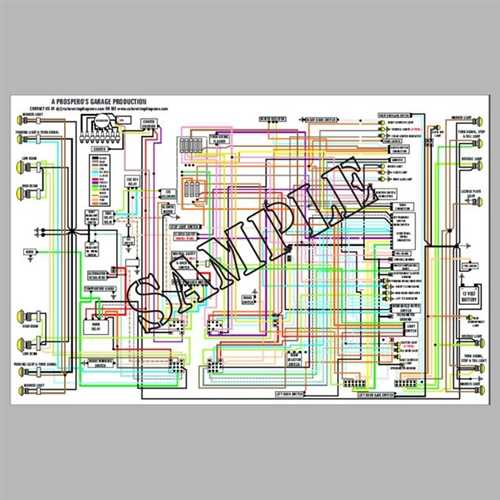
Identify the stator and regulator/rectifier unit. The stator produces AC voltage, which the rectifier converts to DC. Measure output with the engine running at 5,000 RPM; voltage should remain between 13.5V and 14.8V.
Check fuse boxes and individual fuses; visually inspect for burn marks and test continuity. Fuses protect circuits like headlights, indicators, and auxiliary accessories.
Lighting and Signaling Components
Inspect headlamps, tail lamps, and turn signals. Ensure bulbs match specified wattage. Loose connectors often cause intermittent failure rather than complete outage.
Locate the horn and handlebar switches. Verify proper grounding; a poor ground can prevent activation even if the power source is functional.
Identify sensors such as neutral, brake, and temperature units. Test resistance values against manufacturer specifications; deviations indicate potential replacements.