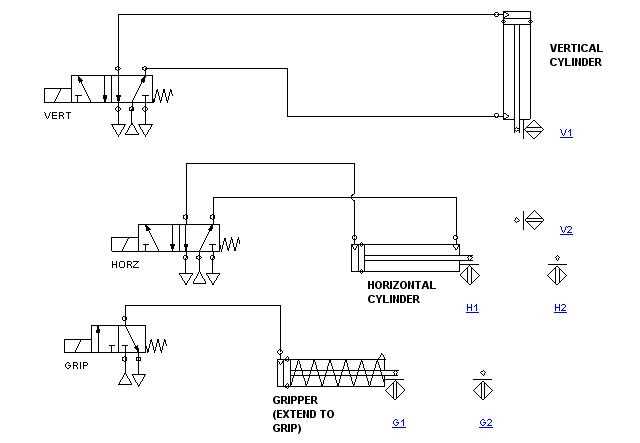
Confirm the model and operating pressure before connecting any supply lines. Proper matching of valves and actuators prevents overloading components and ensures consistent movement.
Identify all input and output ports on the actuator and associated valves. Mark supply, exhaust, and control lines to maintain clarity during assembly and reduce the risk of incorrect connections.
Trace the airflow paths from the main compressor to the actuator. Understanding the sequence of directional valves and flow control devices helps predict response times and pressure changes under load.
Check for built-in safety features such as relief valves, pressure regulators, and limit switches. Knowing their locations ensures protection of both the equipment and personnel during operation and maintenance.
Actuator Control Layout
Verify all supply and exhaust ports before connecting the actuator to the air system. Ensure directional valves match the rated pressure and flow to prevent overloading components or causing delayed response.
Map the sequence of control elements including solenoid valves, flow regulators, and limit switches. Mark each path to trace the direction of air movement and check for proper alignment with the actuator’s extend and retract functions.
Inspect connectors and fittings for tightness and correct orientation. Loose or misaligned connectors can create leaks, reduce system efficiency, and trigger unexpected movements during operation.
Document any modifications or adjustments on a schematic copy. Noting altered valve settings, added regulators, or replaced fittings helps maintain accurate records for maintenance and ensures repeatable performance during troubleshooting.
Identifying Valves and Actuator Connections
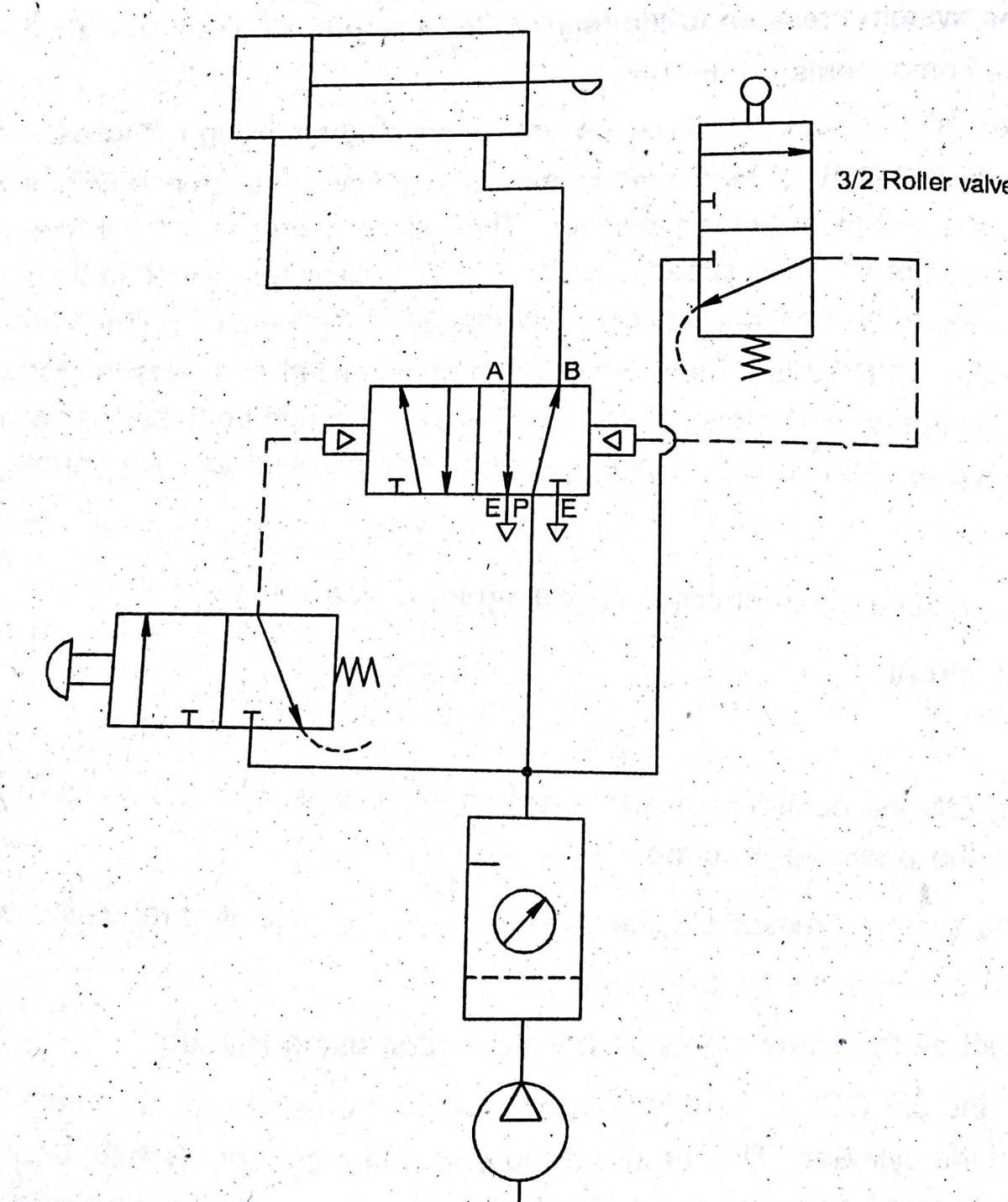
Label each solenoid and mechanical valve before connecting supply lines. Note the input, output, and exhaust ports to prevent misrouting air and ensure correct movement of the actuator during operation.
Trace actuator linkages to their corresponding control elements and mark each connector. This includes flow regulators, directional switches, and pressure relief devices to verify the sequence of operation matches the intended function.
Inspect all fittings and terminals for secure attachment and correct orientation. Loose connectors or misaligned valves can cause leaks, erratic movements, or pressure drops that reduce system reliability and increase maintenance requirements.