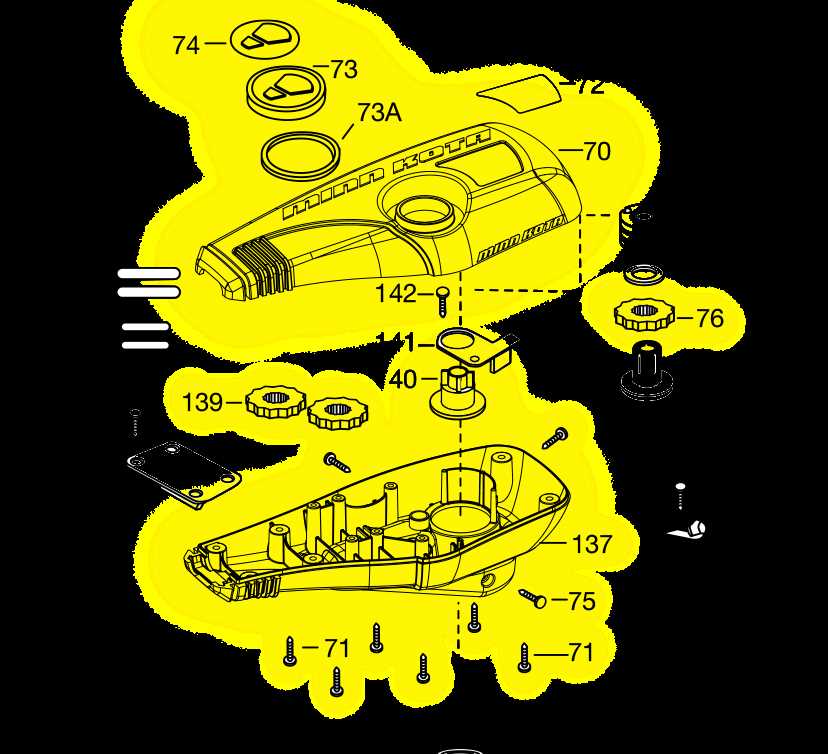
Start by examining the key components within your electric trolling system. A detailed view of the layout can help you quickly locate the most common areas where wear and tear occur, like the drive shaft or propeller assembly. Identify any broken or worn-out parts that are affecting performance and check the manufacturer’s guide for part numbers.
Next, pay attention to any signs of overheating or malfunction in the control board or wiring. Use the system layout to locate the electrical connections and ensure everything is intact. If you notice loose connections or frayed wires, they must be replaced to restore proper function.
For maintenance, ensure the motor housing is free from corrosion or dirt buildup. A clean, properly lubricated setup will help the system run smoother. If parts such as seals or the impeller require replacement, refer to the detailed component breakdown to match new parts accurately. This can prevent further damage and prolong the life of your system.
Detailed Guide to Motor Components and Assembly
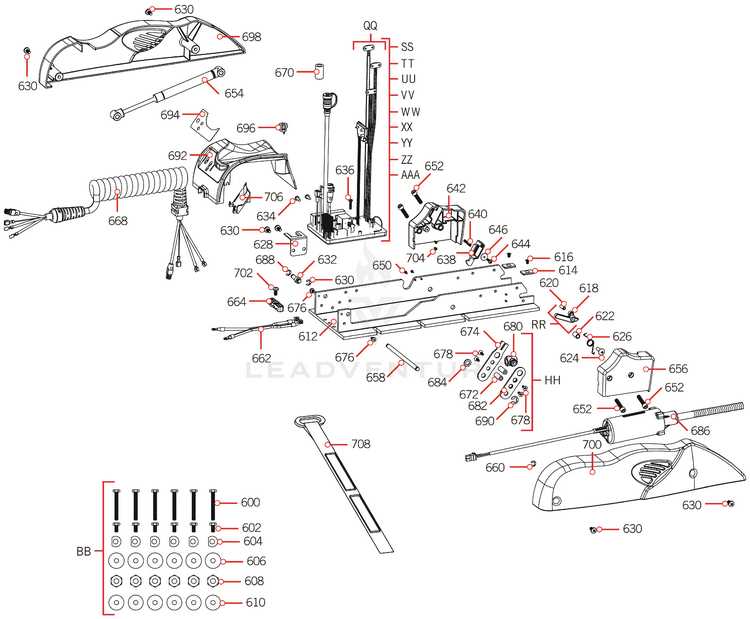
Begin by examining the motor’s core unit, specifically the armature and stator. These components are key to generating power and controlling the operation of the entire system. Ensure the brushes are not excessively worn down, as they play a critical role in maintaining electrical contact with the armature. If needed, replace them with manufacturer-approved replacements.
The drive shaft, which transfers power to the propeller, must also be regularly inspected for any signs of rust or wear. If you notice it becoming loose or misaligned, this could be the cause of inefficient operation. Replacing the drive shaft and its connecting bearings will help restore smooth functionality.
Focus on the propeller and housing components. Cracks or breaks in the propeller will result in reduced efficiency and possible damage to the motor. Ensure the housing is free from debris and corrosion. Any damaged seals or gaskets should be replaced to prevent water infiltration, which can cause electrical damage.
The control board and wiring must be checked for any faulty connections or signs of overheating. Ensure the motor’s electrical system is functioning properly and that all cables are securely connected. If necessary, replace any damaged wiring to prevent further issues.
How to Identify and Replace the Key Components in Your Motor
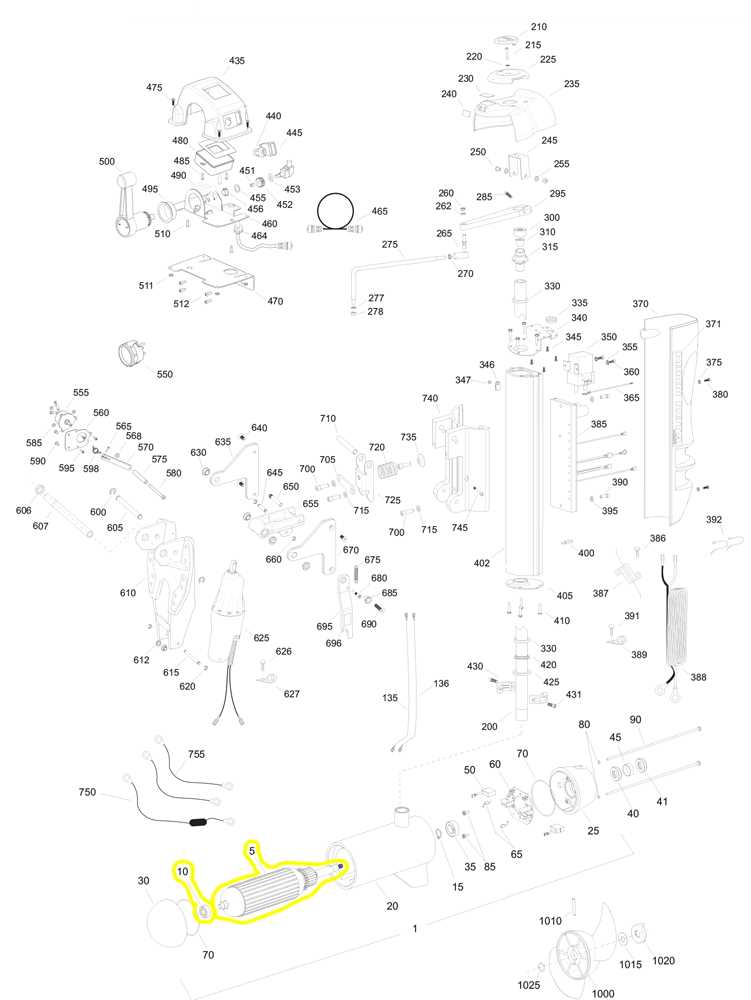
Start by inspecting the motor’s armature and stator. These components are responsible for the motor’s power generation. Look for any visible signs of damage such as burned or cracked areas. If any part of the armature shows wear, replacing it will be necessary for optimal performance.
Next, check the bearings and shaft. Over time, they can wear out, leading to noise or resistance when the motor is running. If the bearings are not spinning freely, they should be replaced. A damaged shaft should also be replaced, as it affects the overall functionality of the system.
Inspect the propeller for cracks, chips, or signs of wear. A damaged propeller can reduce efficiency and cause further damage to the motor. If necessary, replace the propeller and ensure it’s properly aligned with the motor shaft.
Check the electrical wiring and control board for any loose or corroded connections. Look for burned areas or frayed wires. If you find any faulty connections, replace them promptly to avoid further electrical malfunctions.
Lastly, ensure the seals and gaskets are intact. Leaking water can cause damage to internal components, so if you notice any signs of water ingress, replace the seals immediately to maintain the integrity of the system.
Common Issues and Solutions for Motor Components
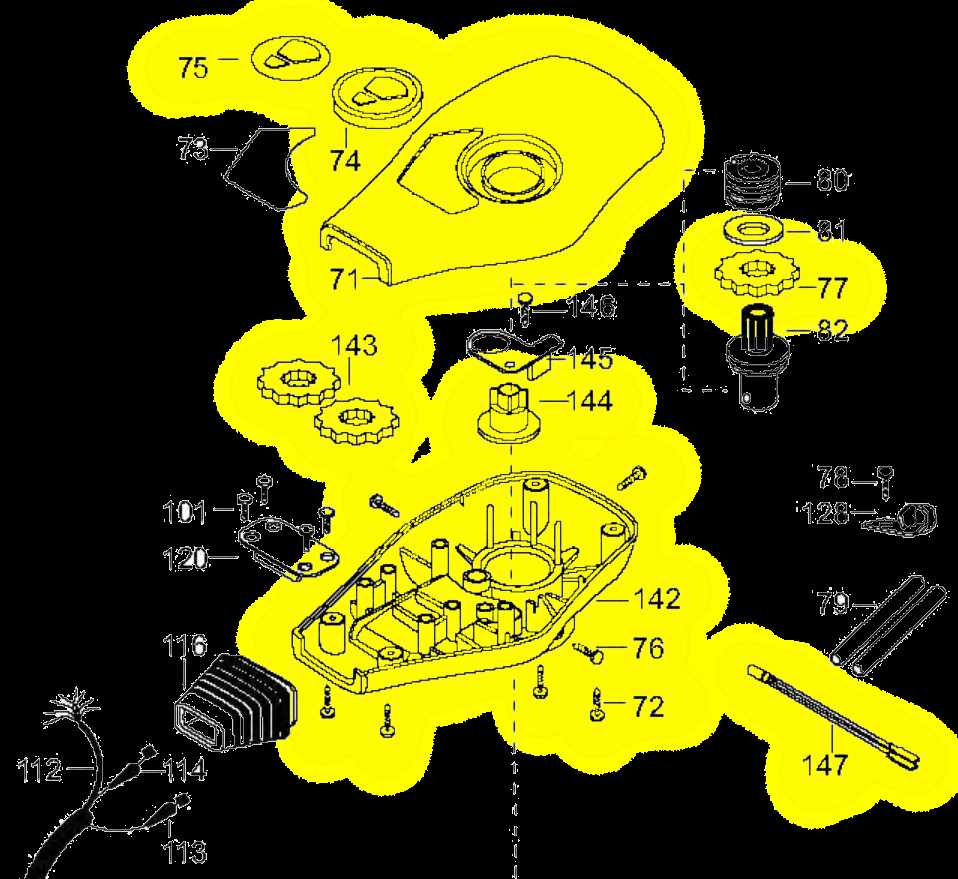
One of the most common issues is a lack of power or responsiveness. This can often be traced back to worn-out electrical connections or a damaged control board. If you’re not getting power or the motor runs intermittently, inspect the wires for corrosion or fraying. Replacing faulty connections or wiring will likely resolve the issue.
If you notice the motor runs with excessive noise or vibration, it could be due to worn bearings or a misaligned shaft. To fix this, carefully inspect the bearings for wear and replace them if necessary. Ensure the motor shaft is properly aligned and spins freely. This should reduce vibrations and noise during operation.
A common issue that affects the performance of the propeller is physical damage such as cracks or chips. These imperfections reduce efficiency and can lead to further damage. Inspect the propeller regularly, and if you find any cracks or chips, replace it with a new one to maintain smooth operation.
In case of overheating, it is typically caused by obstructed cooling vents or dirty components. Check for blockages or dirt around the motor vents and clean them thoroughly. Ensuring proper ventilation will prevent the motor from overheating and prolong its lifespan.
Lastly, if you experience irregular motor speed or unresponsive controls, it might be due to issues with the control board or wiring. Inspect the control board for any burn marks or signs of damage and replace it if needed. Additionally, check the connections between the controls and the motor to ensure they are secure and free of corrosion.