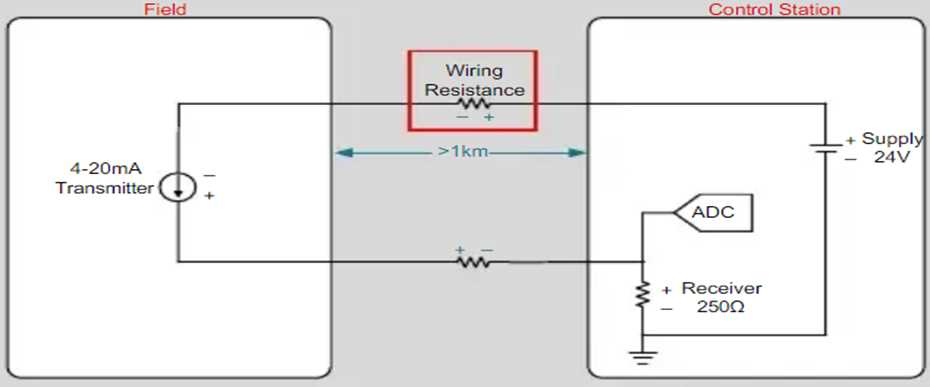
To create an accurate current loop, it’s crucial to understand the components involved in generating a steady 4-20mA output. This output is commonly used in industrial settings for transmitting sensor data to controllers or measuring devices. By understanding the individual components and their roles, you can design a reliable system that maintains signal integrity over long distances.
First, it’s important to choose the right voltage source and ensure proper current control through resistors and transistors. Pay attention to component ratings to avoid overloading or inefficiency. Ensure that your connections are secure to avoid signal loss or interference, especially when working with low-power signals like 4-20mA.
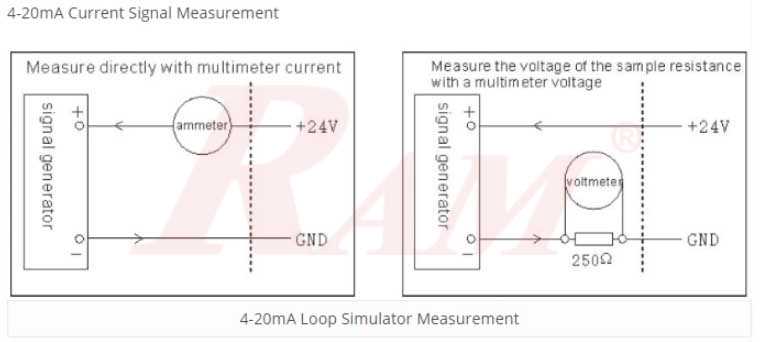
Once the system is built, testing becomes the next step. Use a multimeter to measure the current output and verify that it remains within the desired range. If the reading is outside of the expected 4-20mA range, check the components for defects or incorrect connections. This process is vital for accurate measurements and reliable system operation.
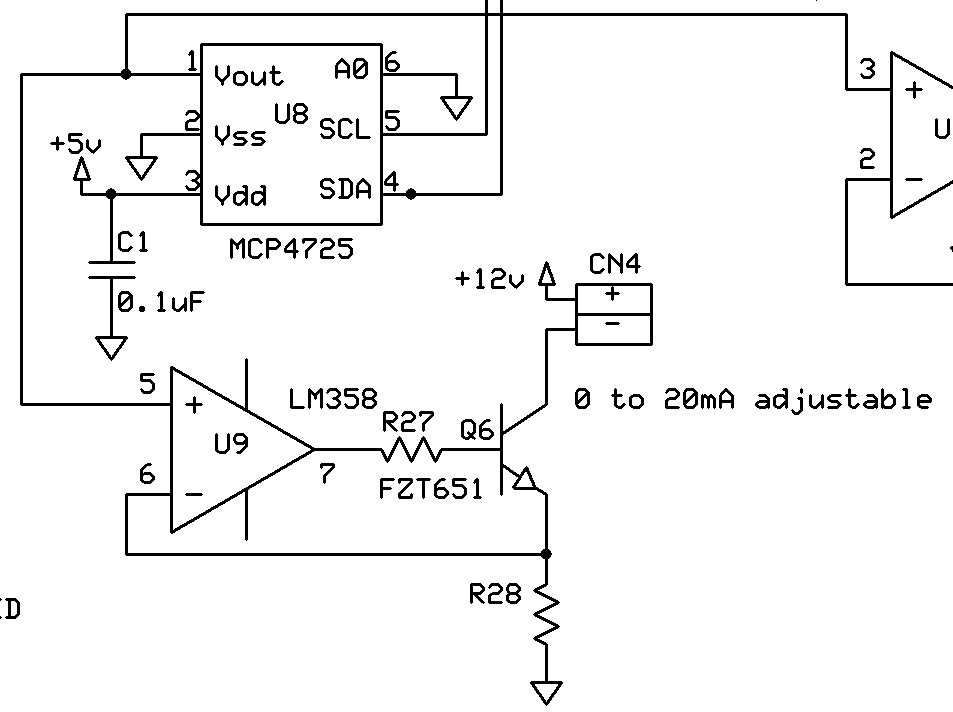
4 20mA Signal Generator Circuit Guide
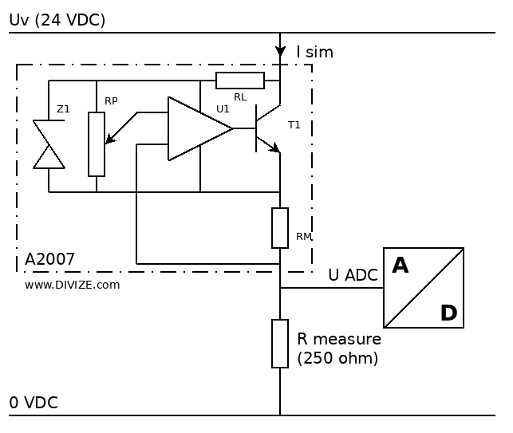
Start by selecting a stable power source that can provide the necessary voltage for your components. A common choice is a 12V or 24V DC supply, depending on the specifications of the devices you’re interfacing with. Ensure that the power source can handle the maximum current expected in the circuit.
Use a precision resistor to control the current flow. This resistor will help ensure the correct output range (usually 4-20mA). It’s important to select the right resistance value based on the voltage and desired current range, applying Ohm’s law to determine the necessary resistance for the circuit.
Next, incorporate a variable resistor (potentiometer) to fine-tune the current output. This component allows for adjusting the output signal to specific levels within the 4-20mA range, giving you flexibility to calibrate the system for precise readings in applications like sensors or analog controllers.
To control the current flow, you may use a transistor or an operational amplifier. The transistor should be chosen based on its current-handling capability, while the op-amp will help provide the necessary voltage control. These components are crucial for maintaining stability across the circuit as the signal is adjusted.
Connect the components carefully, ensuring that the positive and negative connections are correct. Double-check the wiring to avoid short circuits, which can cause the signal to deviate from the expected range. Consistent connection quality is key to reliable performance.
Once the components are in place, test the circuit using a multimeter to check the current output. Measure at various points along the circuit to verify the consistency of the signal, and make adjustments as needed. This step ensures the accuracy of the output and the proper function of the circuit in real-world applications.
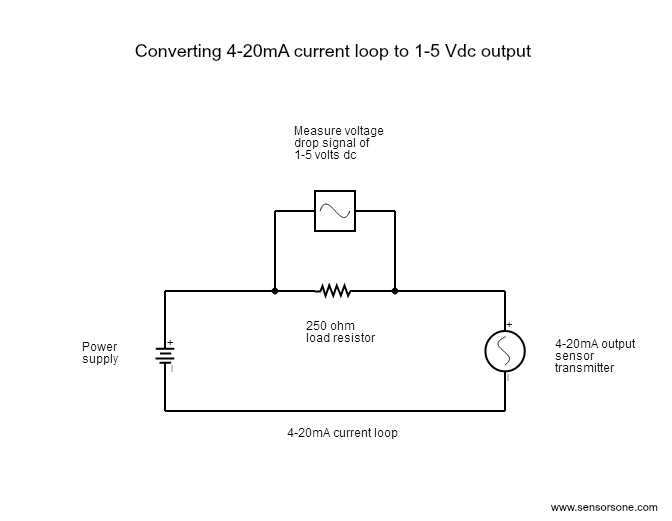
Lastly, calibrate the output signal using known reference points (such as a calibrated meter or signal tester). Proper calibration will ensure that your system provides consistent and accurate measurements, which is important for precise control in industrial or automation settings.
Understanding the Components of a 4 20mA Signal Generator
The first key component in creating a current-based output is the voltage source. This power supply ensures that the circuit operates at the necessary voltage levels for each component. Common choices include DC sources that provide stable and consistent power, typically in the 12V to 24V range, depending on the design requirements of the system.
Resistors are critical in controlling the flow of current. A precision resistor is used to determine the correct output range. The resistance value is crucial and directly influences the current that passes through the system. Proper selection is necessary to ensure that the output is within the desired range, such as from 4mA to 20mA.
Variable resistors or potentiometers provide flexibility in tuning the current output. By adjusting the resistance, you can modify the current to specific levels within the designed range. This allows for calibration and fine-tuning, making sure the output matches the required specifications for different applications like sensors or controllers.
Transistors or operational amplifiers are used to regulate the current and provide control over the output signal. The transistor helps manage high currents, while the op-amp amplifies and stabilizes the signal. These components work together to ensure that the output remains constant and stable, even when the circuit is exposed to fluctuations or changes in the load.
Finally, connection integrity is vital. Properly securing all connections within the circuit ensures that the components function as expected. Loose or improper connections can lead to erratic behavior, poor performance, or even complete failure of the system. Testing and verification with a multimeter help confirm that everything is working correctly before the system is put into use.