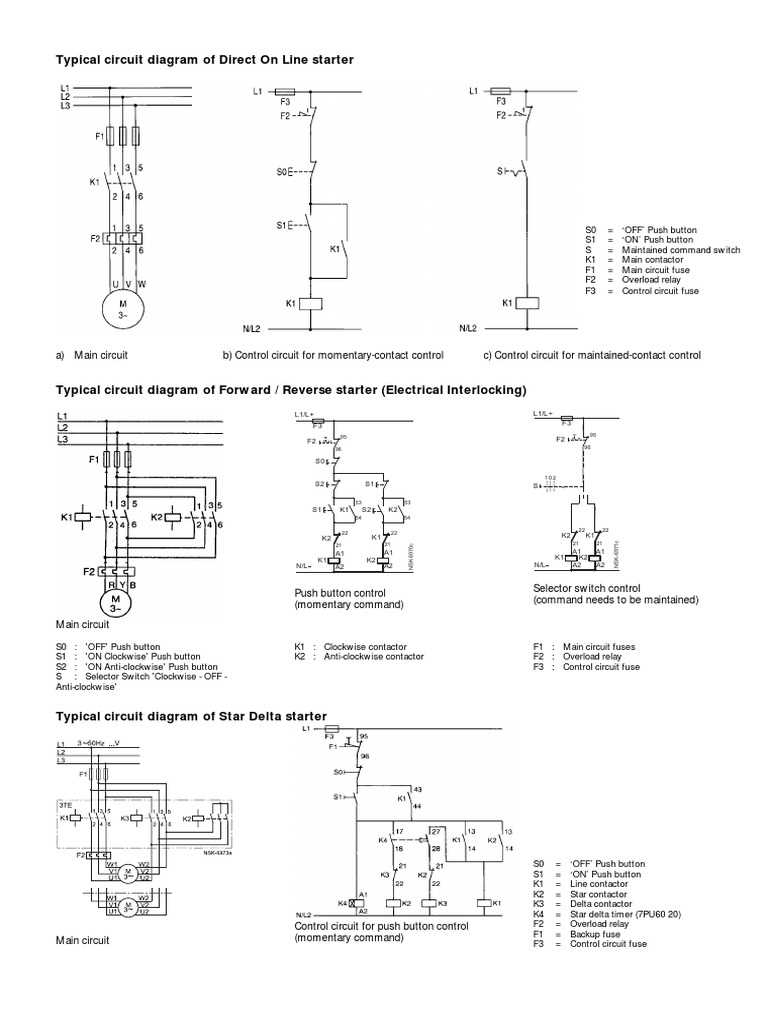
Connect all line conductors with proper color coding and use insulated lugs rated for at least 400 V AC. Ensure the main busbars are tight and free of oxidation to prevent voltage drops and overheating.
Balance loads across all conductors to maintain uniform current flow and reduce neutral shift. Use calibrated ammeters to confirm current does not exceed 80% of the rated capacity of each line under normal operating conditions.
Install protective devices including circuit breakers and fuses close to the supply source. Verify that trip ratings match the connected load and account for motor starting currents or inductive loads that may temporarily surge above nominal.
Route control and sensing lines separately from high-current paths. Shield or twist sensitive wires to minimize electromagnetic interference, ensuring accurate measurement and safe operation of relays and sensors.
Verify voltage between all conductors using a multimeter before energizing equipment. Expect a nominal 400 V line-to-line and 230 V line-to-neutral in standard industrial setups, with variations not exceeding ±5 %.
Check grounding and earthing connections to maintain system safety. Ensure all metal enclosures, panels, and busbars are connected to a low-resistance path, ideally below 1 Ω, to prevent shock hazards and equipment damage.
Three Phase Power Components and Their Functions
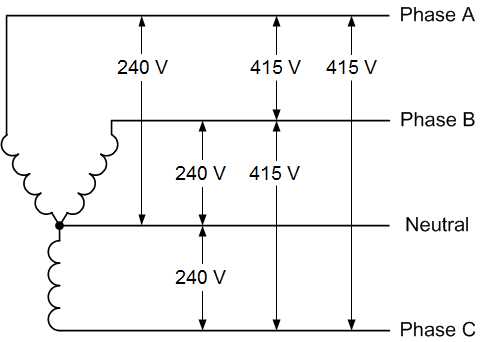
Connect transformers and circuit breakers according to load specifications, ensuring each line conductor is rated for the maximum current. Use fuses or protective relays to prevent overcurrent and short circuits while maintaining reliable supply to the load.
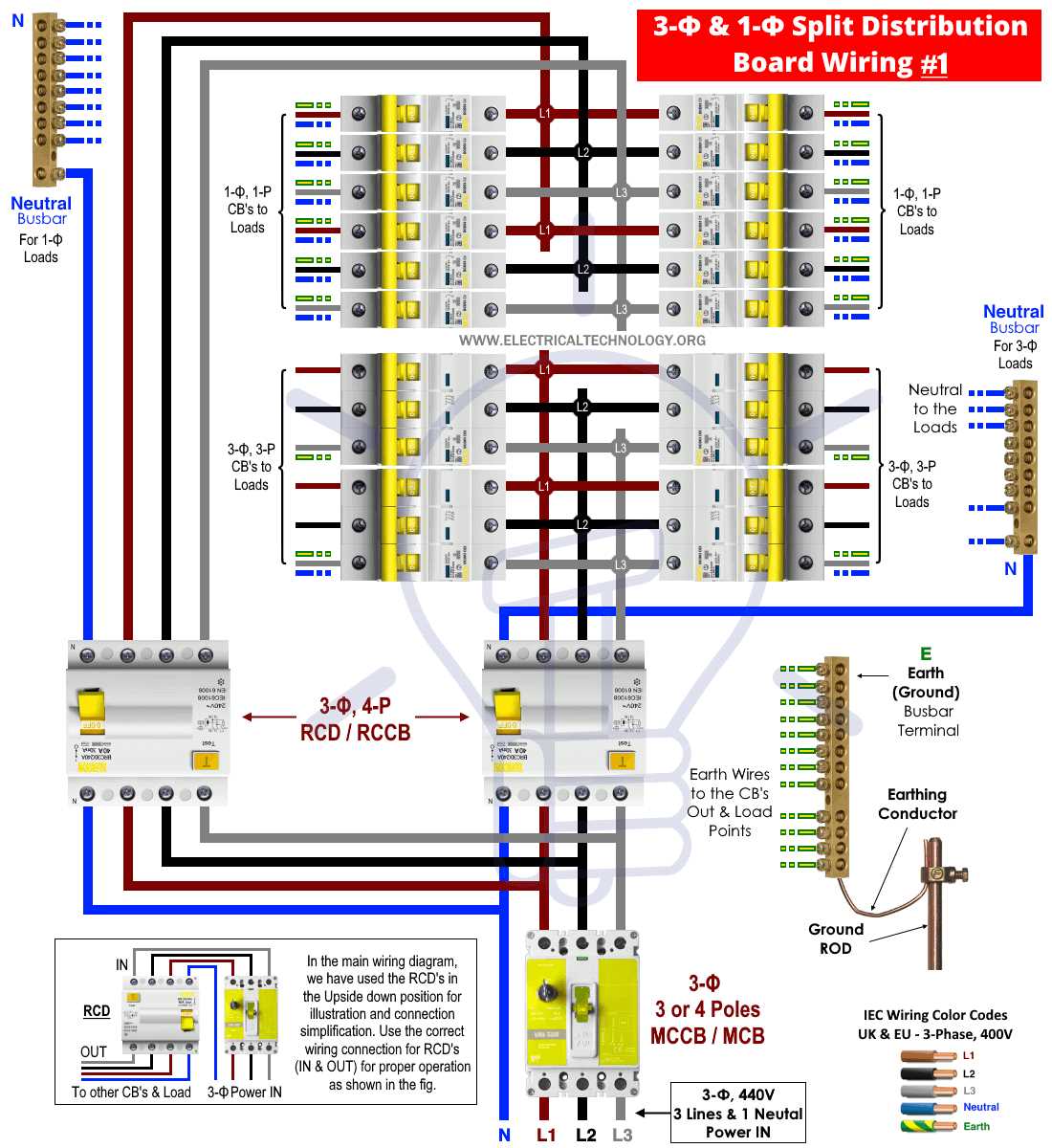
Install contactors and monitoring devices to control and supervise the flow. Voltage sensors, ammeters, and protective relays must be positioned close to the main bus to provide accurate readings and immediate response to abnormal conditions.
Step by Step Wiring for Three Phase Connections
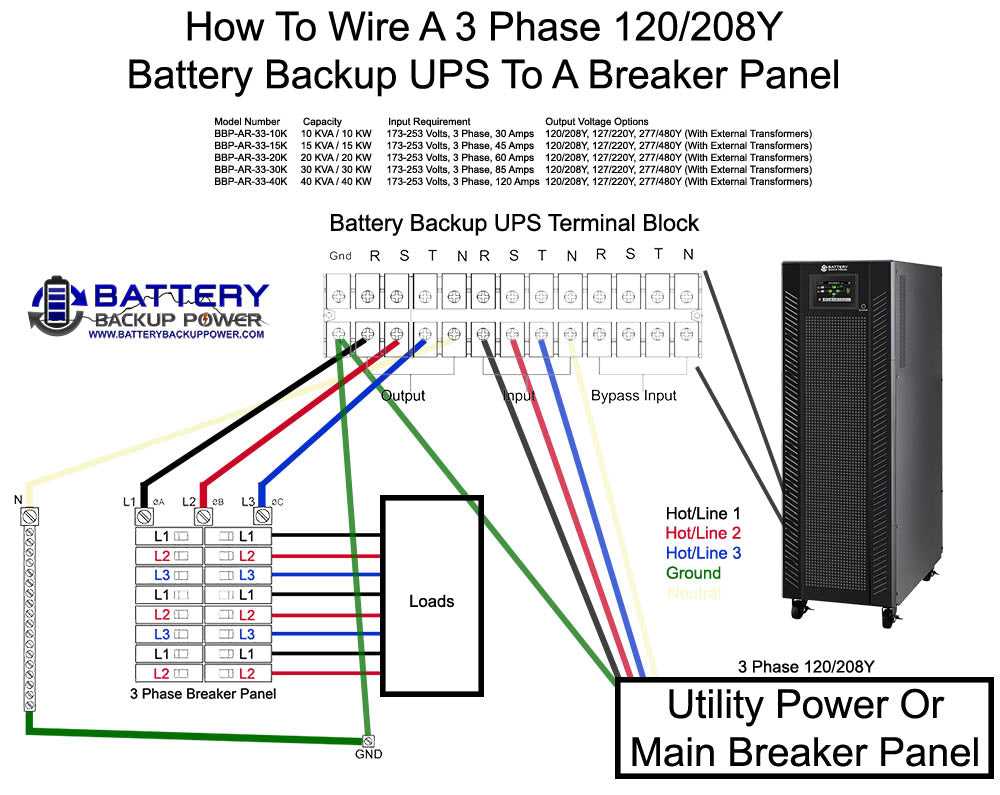
Start by connecting the main line conductors to the incoming supply bus. Use copper lugs rated for at least 25% above the nominal load current and ensure torque specifications are followed to prevent loose contacts.
Install protective devices including circuit breakers and fuses close to the supply terminals. Match trip ratings with the total connected load and allow for motor starting currents or inductive surges.
Route control lines separately from high-current conductors to minimize electromagnetic interference. Use shielded or twisted-pair cables for sensitive monitoring and relay signals.
- Connect voltage sensors between each line and neutral
- Install current transformers around each conductor for monitoring
- Wire auxiliary relays to control circuits according to manufacturer specifications
- Ensure all terminals are tightened and marked clearly for maintenance
Balance loads across all conductors to prevent neutral current buildup and reduce losses. Use clamp-on ammeters to measure current distribution under no-load and full-load conditions.
Verify all interconnections with a continuity test and insulation resistance measurement. Ensure readings meet IEC standards of at least 2 MΩ between conductors and ground before energizing.
Perform a controlled energization by powering each line sequentially and monitoring voltages, currents, and relay operation. Confirm all protection devices trigger correctly under test conditions and adjust settings as needed for safe operation.
Testing and Troubleshooting Three Phase Systems
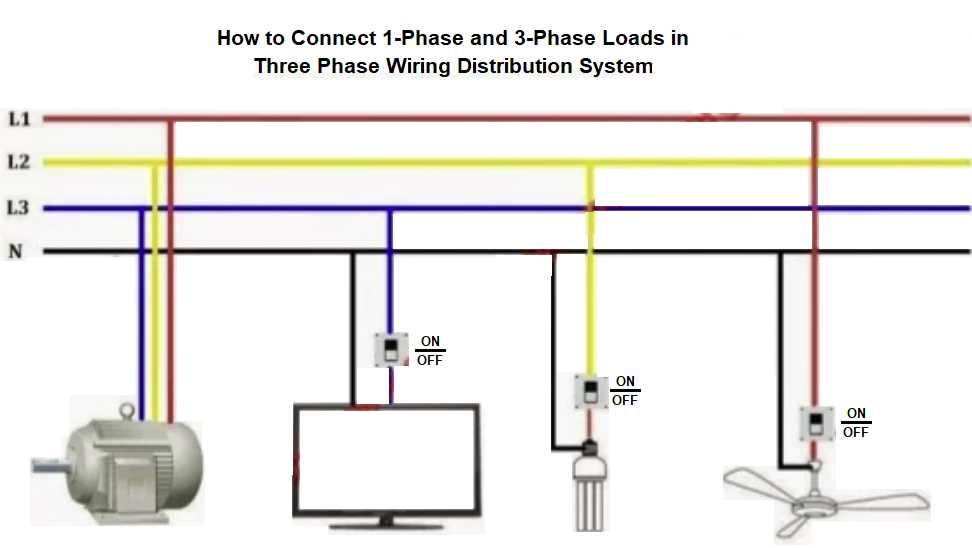
Measure line-to-line and line-to-neutral voltages before connecting any load. Nominal readings should be 400 V line-to-line and 230 V line-to-neutral, with a tolerance of ±5%. Any deviation beyond this range may indicate loose connections or supply imbalance.
Verify current distribution using clamp meters around each conductor. Uneven readings suggest overloading, poor contact, or incorrect conductor sizing. Adjust load distribution or tighten connections to balance currents.
Check protective devices and response times. Use a test load or adjustable current source to trigger breakers and relays. Record trip points and compare with rated values:
| Device | Rated Current | Measured Trip Current | Deviation |
|---|---|---|---|
| Circuit Breaker A | 32 A | 33 A | +3% |
| Circuit Breaker B | 32 A | 31.5 A | -1.5% |
| Overload Relay | 10 A | 10.2 A | +2% |
Inspect grounding and continuity for all metallic enclosures and busbars. Ensure resistance to earth is below 1 Ω and all connections are tight. Loose or high-resistance grounding can lead to equipment damage and safety hazards.