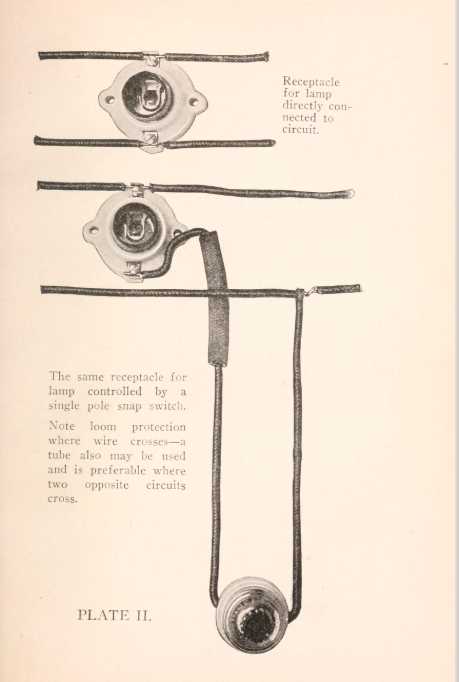
If your home still uses older electrical setups, it’s critical to understand how they work to ensure safety and reliability. These systems, commonly found in buildings constructed before the 1960s, involve a unique approach to power delivery that differs from modern electrical installations. Over time, these systems have become outdated, and many areas of the setup need careful inspection or replacement due to safety concerns.
While these installations served their purpose well in the past, they may no longer meet current safety standards. It’s important to know how these older configurations were designed to handle the current flow and where potential hazards lie. If you are considering upgrading or replacing the outdated system, you must understand the components involved and the best practices for installation.
Before making any changes or repairs, check the condition of your home’s electrical infrastructure. If you’re unsure, it’s advisable to consult a licensed electrician who is experienced in working with older systems. Whether you’re looking to replace the outdated setup or simply need a repair, understanding the core principles will help you avoid costly mistakes and keep the installation compliant with modern codes.
Understanding Older Electrical Installations
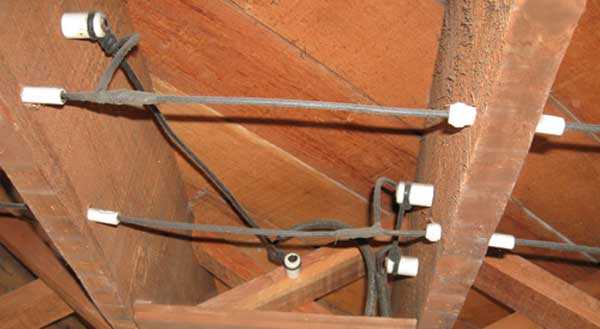
The electrical setup used in older buildings, often recognized by the presence of ceramic insulators and cloth-wrapped cables, was one of the first methods of distributing electricity throughout a home. These systems were developed in the late 19th and early 20th centuries, designed to deliver power safely when modern materials were unavailable. However, over time, they have been largely replaced due to safety concerns and the development of more efficient and safer alternatives.
One of the defining features of these setups is the use of ceramic knobs and porcelain tubes, which were intended to securely support and insulate wires. The wires themselves were usually composed of copper or aluminum, but the insulation was often made from cloth, which deteriorates over time. This has led to increased risk of short circuits or fires, particularly if the system is not properly maintained or updated.
The main concern with these systems today is their inability to handle modern electrical loads. With the increased power demands of modern appliances and electronics, these older setups may struggle to provide safe electricity to your home. It is critical to understand the limitations of this wiring when considering any upgrades or repairs, as using these systems for modern electrical applications could result in serious hazards.
If you find that your home still uses these older systems, the safest approach is to have a qualified electrician assess the installation. They can determine whether it’s still safe to use or if upgrades are necessary. Replacing outdated components like insulation and connectors can help mitigate risks associated with aging wiring.
When inspecting an old installation, pay close attention to areas where the insulation may have deteriorated, particularly in places where the wiring passes through walls or ceilings. In many cases, these systems can be partially replaced or upgraded, while maintaining the original fixtures like the ceramic supports for aesthetic or historical reasons.
While these installations are part of electrical history, modern safety standards and building codes require updated systems for the protection of residents. If you’re planning renovations or home improvements, it’s wise to evaluate the current condition of your electrical setup and consult with an expert to ensure everything is up to code and functioning safely.
Identifying Components of Knob and Tube Electrical Systems
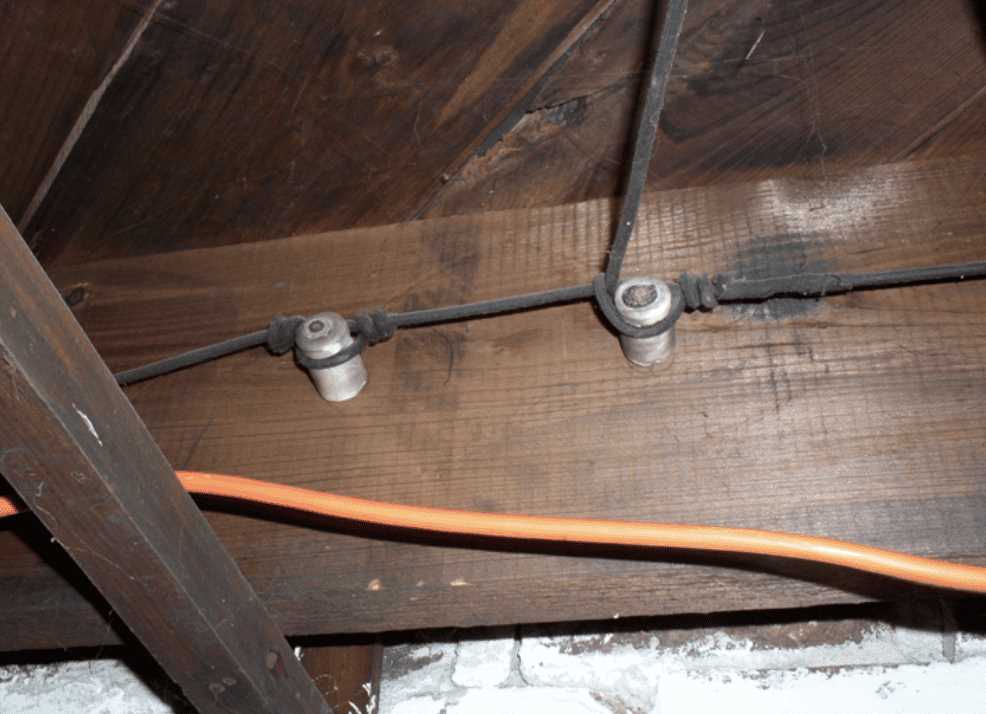
Understanding the components of these older setups is crucial for both homeowners and electricians working with them. The primary elements consist of insulated wires, ceramic supports, and porcelain tubes. These parts form the backbone of the system, each playing a specific role in safely transporting electricity throughout the structure.
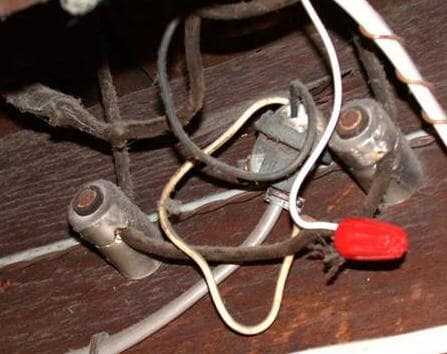
The wire itself is typically copper, though aluminum was used in some instances. The conductors are usually covered in cloth insulation, which deteriorates over time. The exposed wires run through ceramic tubes, which protect the wiring when it passes through wooden studs or ceilings, preventing accidental contact with combustible materials.
The ceramic knobs, used to secure the wiring to the surface of walls and ceilings, are a key identifier of this system. These knobs are mounted at regular intervals to prevent the wiring from sagging or coming into contact with any surrounding material. Knobs were designed to hold the wires securely in place, ensuring they stay organized and don’t risk short-circuiting due to movement.
Another notable component is the porcelain tube, which protects the wire where it runs through walls, ceilings, or other obstacles. These tubes prevent friction and potential sparks caused by the wire rubbing against rough surfaces. However, over time, the porcelain tubes can crack or break, compromising their protective function.
Older systems may also have exposed wires in areas that require maintenance or repairs. It’s important to identify these exposed wires, as they pose a serious safety risk, especially when subjected to the rigors of daily use and aging materials. This can be especially problematic in areas where the wiring may be in contact with moisture or other corrosive elements.
If you identify these components in your home, a professional inspection is recommended. While the materials were once adequate for the era in which they were installed, they are no longer suitable for modern electrical demands. Having these parts evaluated can help prevent potential electrical hazards and ensure the safety of the home’s electrical system.