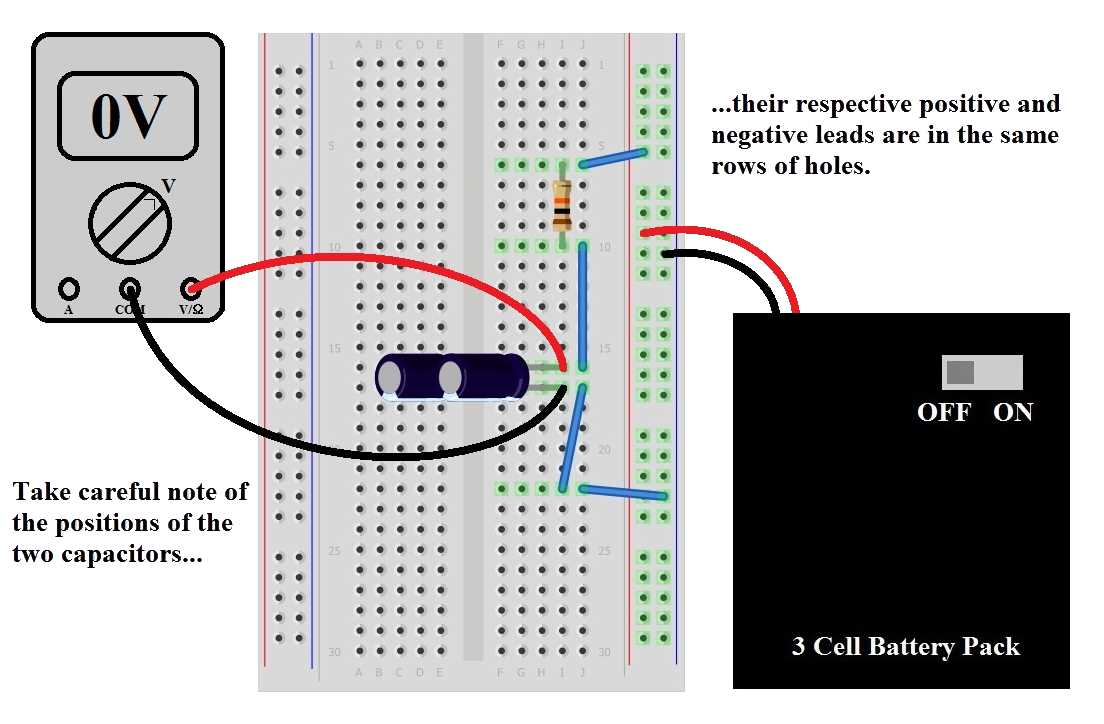
Connect all component leads to the main distribution bus following the proper polarity to prevent overloading any branch. Use color-coded cables for positive, negative, and signal lines to maintain clarity during assembly.
Measure voltage across each branch with a digital meter to confirm consistent power delivery. Differences greater than 0.2 volts indicate loose contacts or excessive resistance in one of the paths.
Secure junctions with insulated connectors and apply protective clamps to prevent wire movement under vibration. Ensure each branch is separated by at least 5 mm to avoid short circuits between conductors.
After completing the connections, activate each component individually to verify proper operation and observe current distribution. Document the readings for future troubleshooting or expansion of the system.
Branch Connections and Load Management
Attach each device lead to the common bus bar using insulated terminals and maintain consistent polarity across all branches. Ensure that each path includes a dedicated fuse rated 10-20% above the device current to prevent overloads and potential damage.
Measure current flow through each branch using a clamp meter to verify distribution. Any branch drawing significantly more than the others may indicate a shorted component or excessive resistance, which should be corrected before full operation.
Identifying Nodes and Connection Points in Multi-Branch Circuits
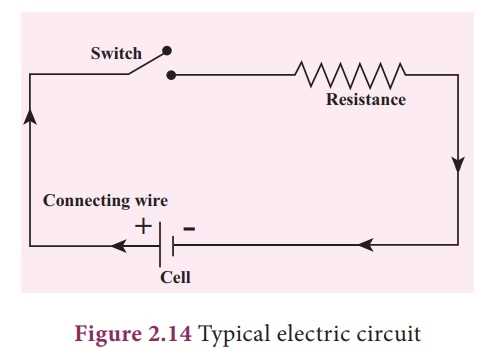
Mark all junctions before making connections to distinguish between supply points, return paths, and branch links. Use numbered tags or colored sleeves for each node to avoid misrouting leads during assembly.
Inspect each terminal for corrosion or bent contacts as these can cause voltage drops or intermittent operation. Clean metal surfaces with a fine abrasive pad and apply dielectric grease for reliable conductivity.
Use a multimeter to test continuity between supply nodes and each component connection. Identify any open or high-resistance paths that could compromise performance under load conditions.
Keep branch leads organized with insulated clips or cable ties, maintaining a minimum 5 mm separation to prevent accidental shorts. Arrange parallel paths in a way that allows easy access for future maintenance or modifications.
Label each connection point with functional information such as voltage rating, expected current, or branch identifier. This documentation simplifies troubleshooting and ensures safe handling during inspections or upgrades.
Verify that all positive leads converge at the main bus while return paths connect to the common ground. Misplaced links can result in uneven load sharing and overheating in specific branches.
After completing node identification, conduct a dry run by applying low voltage to check for correct response in all branches. Confirm that each component receives stable voltage and that no unintended feedback occurs between paths.