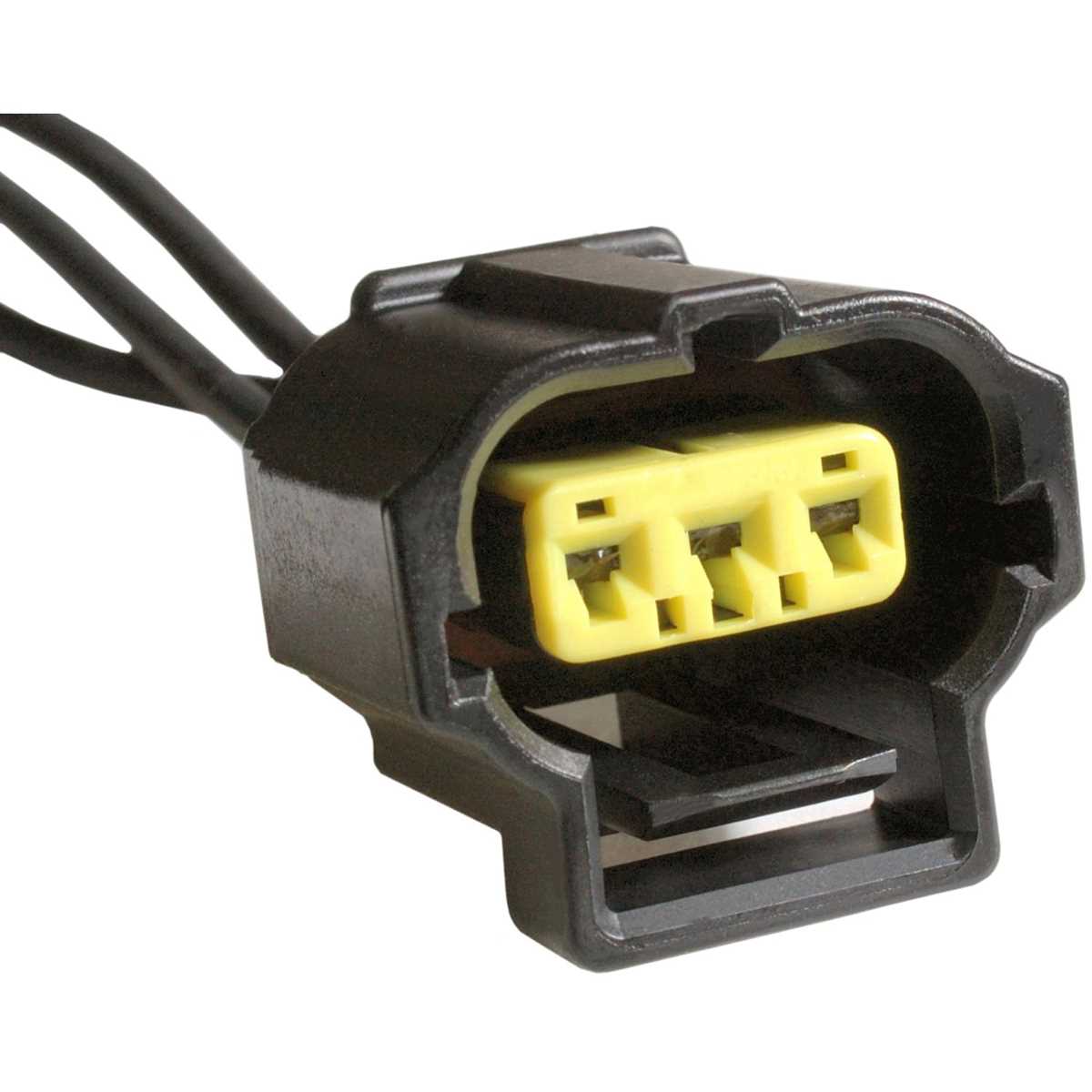
Verify the voltage output rating of your generator before linking it to the vehicle’s electrical system. Use a multimeter set to DC mode to measure terminals individually for proper identification.
Label each connector to avoid misplacement during installation. Typically, one terminal provides excitation, another handles voltage sensing, and the remaining two manage current flow to the battery and chassis.
Ensure secure contact by cleaning terminals with a wire brush and applying dielectric grease. Loose connections can cause voltage drops, erratic charging, and premature component wear.
Follow manufacturer torque specifications for all fastening points. Over-tightening may damage the generator housing or strip threads, while under-tightening can lead to intermittent performance.
Test the complete system after connections. Start the engine, monitor the output voltage, and check for unusual noises or excessive heat around the generator body to confirm correct setup.
Four Terminal Generator Connection Guide
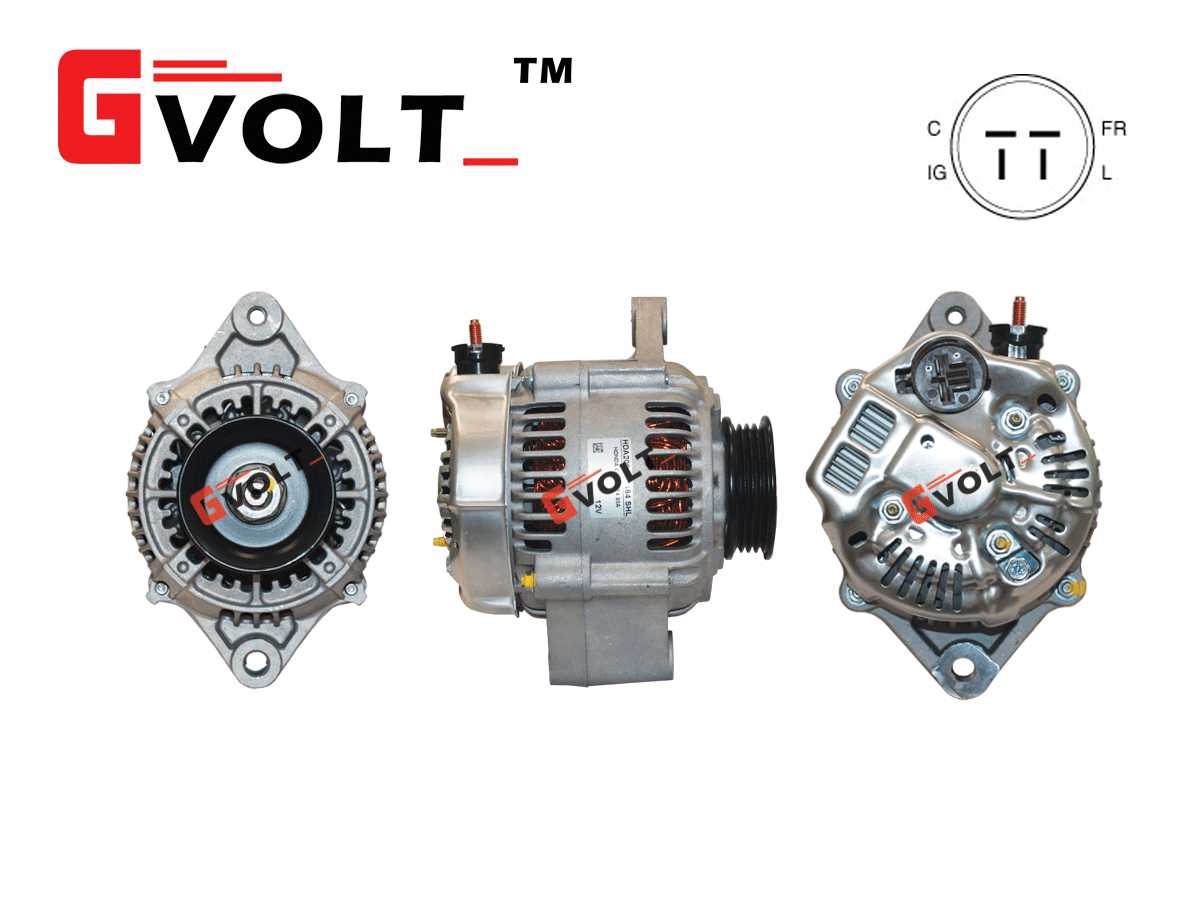
Identify the output terminal that delivers charging current to the battery and connect it to the main positive lead using a properly rated fuse. Verify polarity with a multimeter before securing the connection to prevent reverse current flow.
Attach the control and sensing terminals to the vehicle’s electrical system according to the factory color code. Ensure that the excitation and ground leads have firm contact with the chassis to maintain stable voltage regulation and prevent voltage spikes during operation.
Identifying Each Terminal and Its Role in the Generator
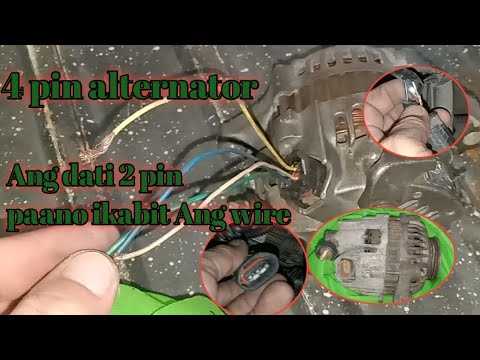
Locate the main output terminal and connect it to the battery positive lead with an inline fuse rated for the charging current. This terminal carries the bulk of the generated current, so ensure all connections are secure and free of corrosion to prevent voltage drops.
Identify the excitation terminal, which controls the internal field coil. This lead must be connected to the ignition source through a resistor or control module to stabilize initial voltage buildup and maintain consistent output under varying engine speeds.
Verify the sensing and ground terminals before making connections. The sensing lead provides feedback to the voltage regulator, while the ground ensures proper current flow through the housing. Improper attachment can lead to undercharging, overcharging, or erratic electrical behavior.