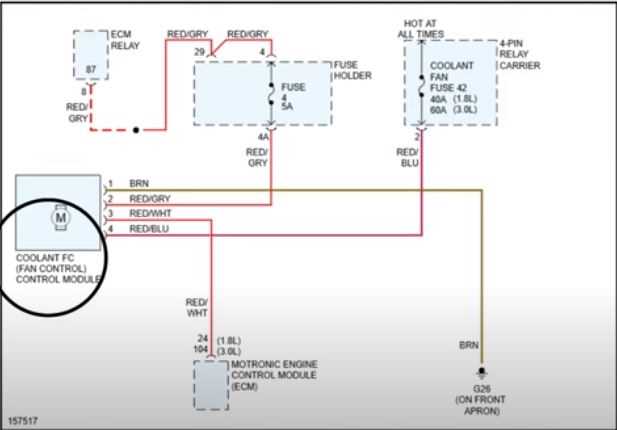
Ensure each terminal is clearly identified before starting any installation. Use a multimeter to confirm continuity and voltage levels across all connections to prevent overheating or short circuits.
Label the supply and control leads accurately. In a typical setup, two terminals handle the main current, while the remaining two manage the control signal. Misidentifying these can cause the motor to operate intermittently or fail to activate.
Maintain secure connections using appropriate connectors. Crimped or soldered joints reduce resistance and prevent arcing, which is critical in high-current automotive applications. Check that insulation covers are intact to avoid accidental grounding.
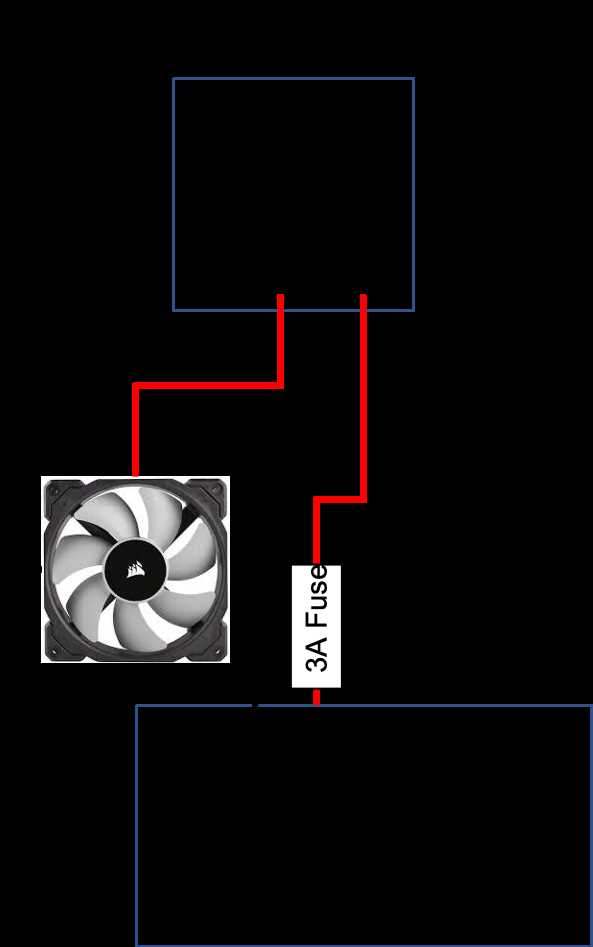
Test the system before full assembly by energizing the control circuit independently. Observe the activation sequence and confirm the cooling device starts and stops reliably. This step minimizes troubleshooting after final installation.
4 Pin Fan Relay Connection and Terminal Guide
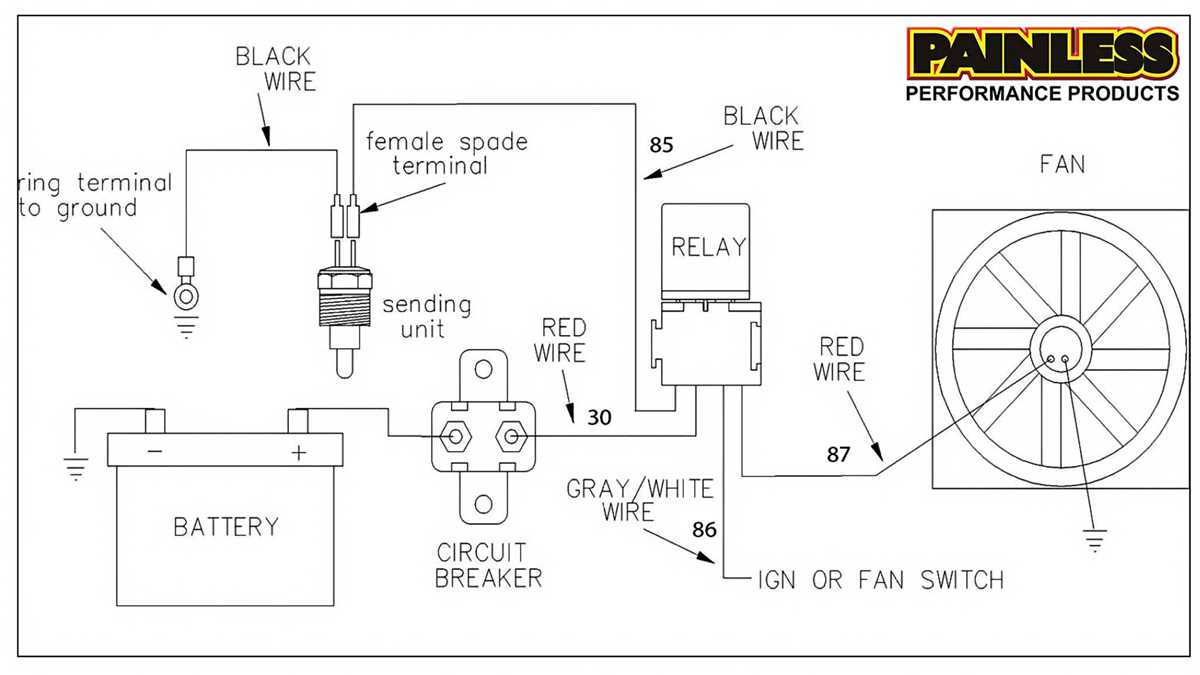
Identify each terminal before connecting to prevent misalignment and ensure correct current flow. Two terminals are dedicated to high-current output, while the other two manage the control signal from the sensor or switch.
Use a multimeter to confirm terminal function. Measuring resistance and continuity helps distinguish between load and trigger connections, avoiding accidental shorts or device malfunction during operation.
Secure all connections with appropriate connectors to handle automotive voltage. Crimped or soldered terminals reduce resistance and prevent overheating, which can damage the motor and associated circuits.
Maintain clear insulation around each terminal. Exposed metal increases the risk of grounding and electrical arcs, particularly in high-vibration environments found in engine compartments.
Label terminals for future maintenance. Proper identification simplifies troubleshooting and ensures that replacement components are connected correctly, reducing the risk of reverse polarity or misfires.
Perform a preliminary activation test by energizing the control side first. Verify that the device engages and disengages properly before completing the full installation, ensuring reliable performance under load conditions.
Mapping Terminals for Accurate Connections
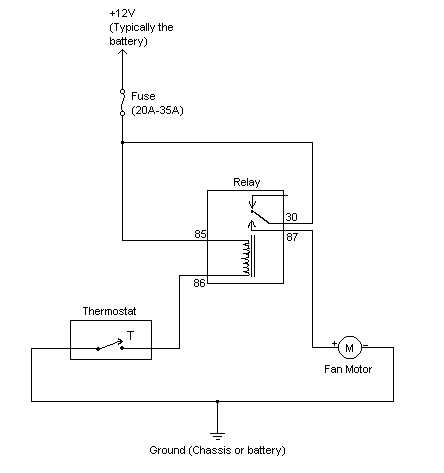
Begin by identifying each contact based on its function. Two contacts manage the high-current load while the remaining pair controls the activation signal. This distinction is critical for maintaining proper operation.
Use a continuity tester or multimeter to verify connections. Measure resistance across contacts to differentiate between switching terminals and load terminals before applying power.
Create a simple layout chart for the device showing each terminal’s role. A visual reference reduces errors during installation and ensures consistent reconnection in maintenance cycles.
Label each terminal clearly with permanent markers or heat-shrink labels. This practice helps identify control versus power connections quickly during troubleshooting or component replacement.
Check polarity and voltage ratings for each contact. Ensure that control terminals receive the correct trigger signal and load terminals are matched with the appropriate voltage to avoid overheating or malfunction.
Test the setup with low current first. Apply the control signal and observe the response of the connected motor or device, confirming that each terminal activates the correct path before full power operation.