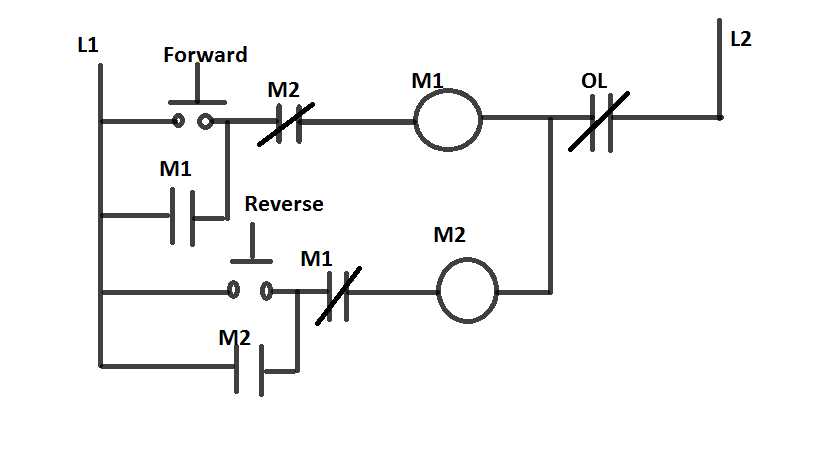
Verify coil connections and contact types before powering any layout. Miswiring can cause short circuits or prevent devices from operating correctly. Label each input and output clearly with expected voltage and current ranges.
Identify normally open and normally closed contacts to determine how the module controls different sections of the electrical network. Use datasheets to confirm contact ratings and switching capacity to match the load requirements.
Test all pathways using a multimeter to ensure continuity and correct activation. Mark all terminals on the board to avoid confusion during assembly or future maintenance, and document any deviations from standard notations for reference.
Organize modules by function to simplify troubleshooting. Keeping coils and contacts grouped by control purpose reduces errors, shortens setup time, and makes it easier to track performance in complex layouts.
Understanding Relay Connections and Contact Functions for Accurate Electrical Layouts
Always confirm coil polarity and terminal identification before connecting any module. Incorrect wiring can prevent activation or cause permanent damage to sensitive components. Use clear labels for each input and output to maintain consistency.
Distinguish between normally open and normally closed contacts to control different branches of the electrical network. Normally open terminals remain disconnected until activated, while normally closed terminals break the connection when engaged.
Voltage and Current Considerations
Check voltage ratings and current limits for each contact point to prevent overload. Exceeding the rated values can lead to overheating, arcing, or contact erosion, reducing the module’s lifespan.
Use protective elements such as fuses or resistors in series with contacts to safeguard the network. This ensures safe operation even if unexpected surges occur during activation cycles.
Wiring Practices and Maintenance
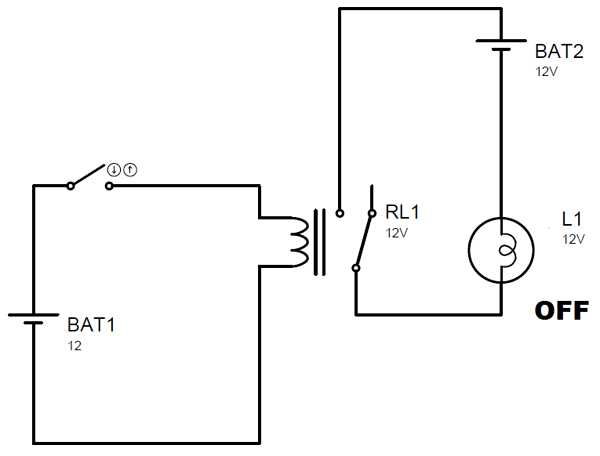
Maintain organized wiring paths with color-coded or numbered lines to reduce errors during assembly and troubleshooting. Keep coils and contacts separated by function to simplify diagnostics.
Regularly inspect connections for loose terminals, corrosion, or wear. Tighten screws and clean contact surfaces to ensure reliable operation over repeated activation cycles, especially in high-frequency switching setups.
Document all modifications and deviations from standard layouts. Keeping accurate records of changes allows future adjustments or replacements without introducing errors or misinterpretation of component roles.
Identifying Relay Coils and Contact Types for Proper Assembly
Start by examining coil markings and terminal layout. Coils are typically labeled with voltage ratings, current limits, and polarity indicators. Use a multimeter to verify continuity and confirm that the coil will activate the contacts at the specified input. Ensure that the coil orientation matches the intended control path in your setup.
Differentiate contact configurations for accurate wiring. Common types include:
- Normally open (NO) – closes when the coil is energized
- Normally closed (NC) – opens when the coil is energized
- Changeover (SPDT) – switches between NO and NC outputs
Label each contact clearly with expected voltage and current values. Confirm mechanical operation by manually testing movable parts if possible. This prevents misconnection and ensures reliable activation in the assembled network.