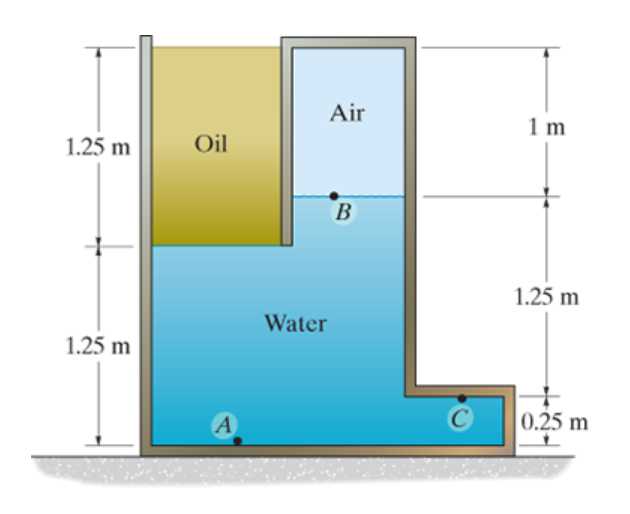
To ensure proper usage and safety, monitor the remaining volume of liquid in a storage unit regularly. A visual representation of liquid in a container can provide insights into consumption patterns, alerting when refilling is necessary.
In the case where the unit contains less than half its capacity, it’s vital to verify the remaining quantity, as this will guide decisions regarding replenishment. If the liquid level is nearing one-fourth of the total capacity, immediate action should be taken to avoid shortages during operations.
Efficiency in managing the supply depends on consistent checks and timely interventions. By carefully tracking this indicator, you can prevent disruptions and maintain optimal performance, especially during high-demand periods.
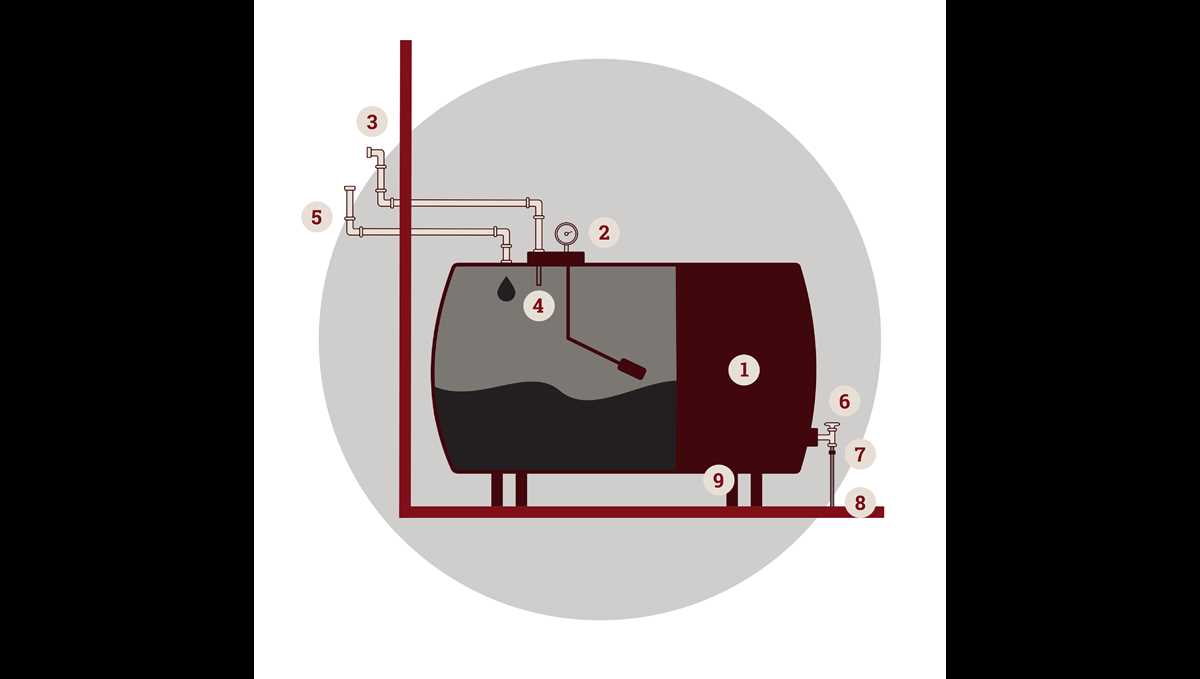
How to interpret fuel level and volume from the geometry
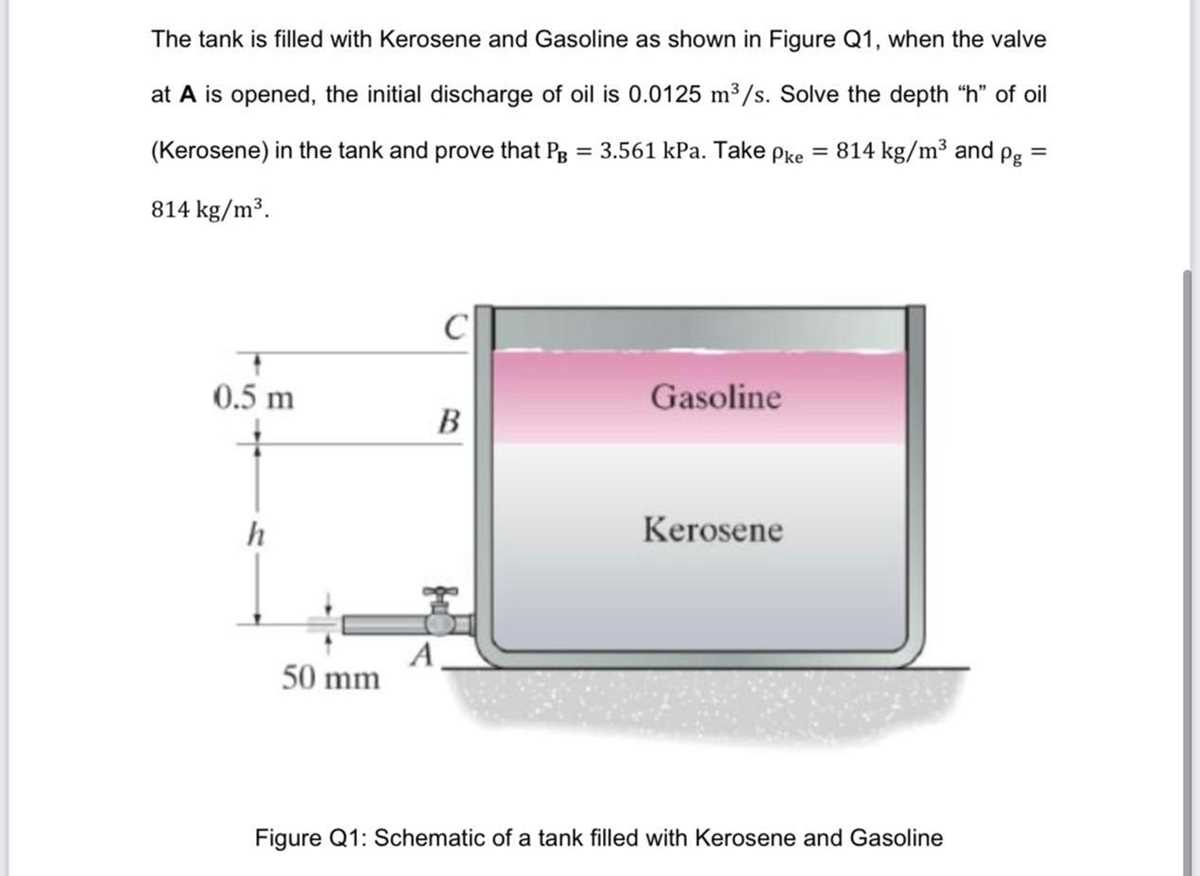
Examine the shape of the cross-section to calculate the amount of liquid. If the shape is cylindrical, the volume is directly proportional to the height of the liquid. Measure the liquid height, then apply the formula for the volume of a cylinder: V = πr²h, where r is the radius and h is the liquid height.
If the cross-section is conical, use the formula for a cone’s volume: V = (1/3)πr²h. The relationship between the height of the fluid and volume follows the cone’s geometry. Keep in mind, the volume increases at a faster rate as the fluid level rises due to the tapering walls.
For irregular shapes, break the geometry into smaller, easier-to-calculate sections. Measure the height and width of each section and compute their respective volumes. Afterward, sum up the results for the total volume. This method can apply to tanks with complex designs like trapezoidal or spherical sections.
Always confirm the units used for measurements, as inconsistent units will result in inaccurate volume calculations. Additionally, ensure the reference points for liquid height are correctly defined, as slight misalignments can lead to significant discrepancies in volume estimation.
How to Calculate Remaining Capacity and Overflow Risk Based on Fill Level
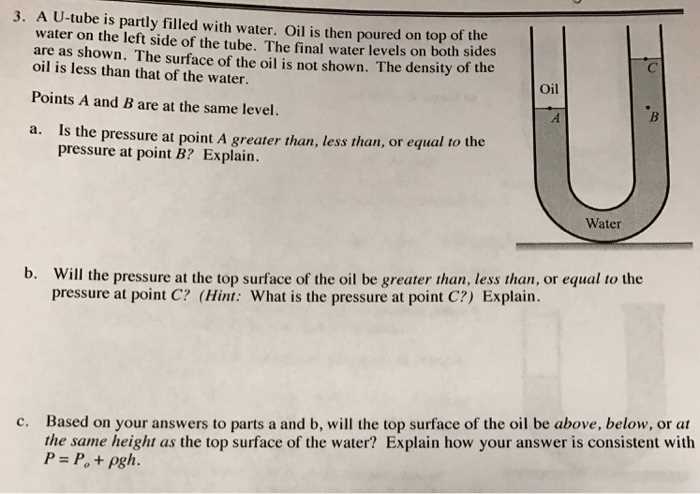
To determine how much more liquid can be stored and assess the risk of spillage, measure the current liquid level in the container. Subtract this value from the total volume the vessel can hold when fully loaded. This gives the remaining capacity.
For overflow risk, first identify the maximum capacity. If the current liquid level is near or above 90% of the full capacity, the risk of overflow increases significantly, especially during filling. Keep track of fluctuations or shifts in volume during refilling to avoid exceeding the limit.
In case of a partial filling, the liquid volume can be calculated by multiplying the height of the liquid by the cross-sectional area of the container. For cylindrical shapes, use the formula for the volume of a cylinder, adjusting for the height of the liquid. Ensure all measurements are consistent in units for accurate calculations.
Once the current fill level is confirmed, and the volume determined, use the remaining space to plan how much additional liquid can be safely added without risking overflow.
Monitoring regularly and recalculating during each refill helps prevent overfilling, minimizing the risk of spillage or accidents.