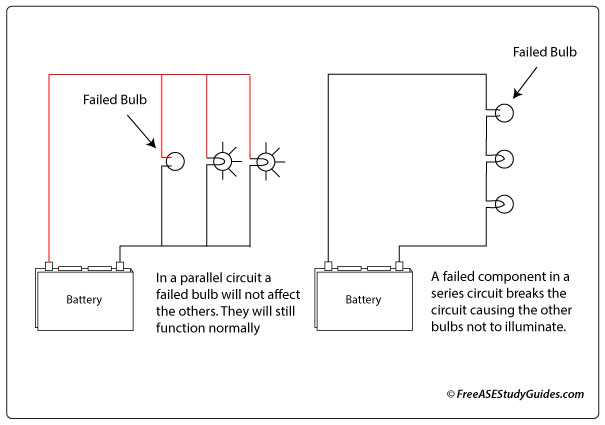
To connect several fixtures, you should begin by ensuring that all components share a common power supply. Each unit must be connected individually to the same source, with wiring arranged to allow the voltage to flow equally across all connections. The most efficient way to achieve this is by linking each device’s positive terminal to the main supply’s positive output, ensuring a stable and consistent energy flow.
Once the main connections are secured, ensure that the ground wires from each fixture are also properly joined. These should be linked to a shared grounding point that connects back to the power supply’s ground, ensuring safe and effective operation. Pay particular attention to wire gauge, as it determines the amount of current that can safely flow through the system. If the wires are too thin for the required load, they may overheat, causing potential failure or even hazards.
In case of using switches or dimmers, ensure these are installed in such a way that they control all connected devices uniformly. Improper placement or low-quality switches can cause uneven power distribution, affecting the performance of the entire system. Always choose components rated for your specific load requirements to guarantee reliable performance.
Parallel Light Setup Guide
Start by connecting the positive terminal of your power source to each of the devices. Use a durable and adequately rated wire to ensure all connected units receive consistent voltage. Each device should be connected individually, ensuring there’s no voltage drop between them.
The negative terminals should also be connected together, leading back to the main ground. This setup ensures that the return path is secure and reduces the likelihood of issues arising from improper grounding. It’s also critical to verify that each wire is capable of handling the required current load to avoid potential overheating or failure.
Next, incorporate a switch or dimmer that controls the flow to all connected units simultaneously. This allows easy management of the entire system’s operation. Ensure the switch or dimmer is properly rated for the total load, as using undersized components may compromise the system’s stability.
Finally, test the setup by turning the switch on and verifying that all units are functioning as expected. If any unit is not performing properly, double-check the wiring for potential issues such as loose connections or improperly rated wires. Regular maintenance checks are also recommended to ensure the system continues operating safely and effectively over time.
How to Wire Multiple Lights in Parallel
Begin by gathering the appropriate wire gauge for the project. Make sure the wire is capable of handling the total load from all the devices connected. A thicker wire is needed for higher power ratings to prevent overheating and ensure the safe operation of the setup.
Connect the positive terminal of your power supply to the positive terminal of the first unit. From there, run a wire to the positive terminal of each subsequent unit, ensuring all units are linked in a similar manner. This ensures that each unit receives the same voltage, allowing them to operate independently.
For the return path, connect the negative terminals of each unit together. Run a wire from the final device’s negative terminal to the ground or the negative side of the power supply. This return path is crucial for completing the flow of current and ensuring the circuit remains stable.
Install a fuse or circuit breaker at the power source to protect against overcurrent. The fuse should be rated for the combined load of all devices. If there is an overcurrent situation, the fuse will blow, cutting power and preventing damage to the components.
Before finalizing the setup, check for any loose connections or signs of wear on the wiring. Tighten all connections and make sure there is no exposed wire that could lead to a short circuit. Proper insulation is key to maintaining safety throughout the installation.
Once the connections are complete and verified, turn on the power and test each unit. Ensure that all devices light up as expected. If any unit doesn’t function, double-check the wiring for continuity and ensure all connections are secure and properly made.