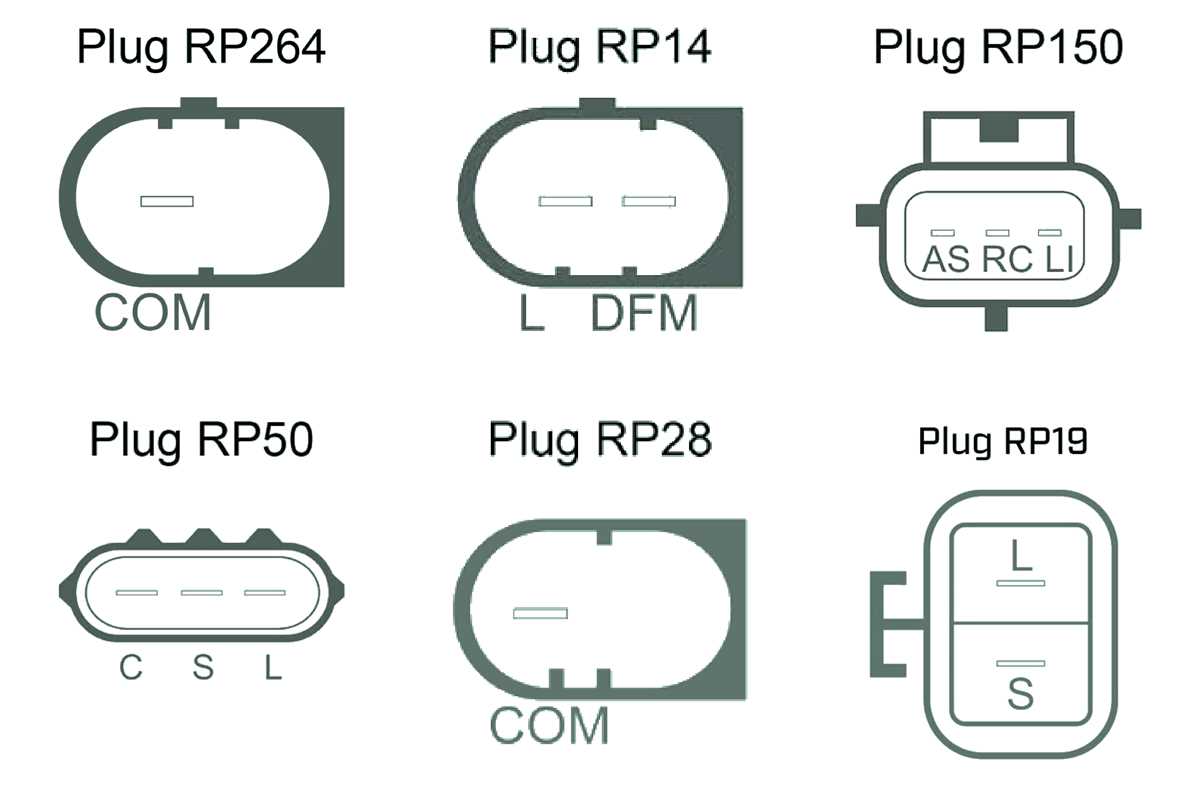
Ensure the main power terminal is securely fastened to prevent voltage drops and intermittent charging. Use a 10mm wrench to tighten the nut to the manufacturer’s torque specification of 15-20 lb-ft. Check for corrosion on the contact surface and clean with a wire brush for consistent conductivity.
Route the field control lead away from high-heat areas near the exhaust manifold to maintain insulation integrity. Secure with insulated clips every 6-8 inches to prevent vibration damage. Verify all sensor connections for snug fit to avoid misreading voltage levels that can affect the charging performance.
Confirm that the ground strap is attached to a clean, unpainted surface on the engine block. Apply dielectric grease to terminals to resist moisture and oxidation. Test the output with a multimeter at idle and under load to ensure the system maintains between 13.8 and 14.4 volts.
Vehicle Charging Unit Connection and Terminal Guide
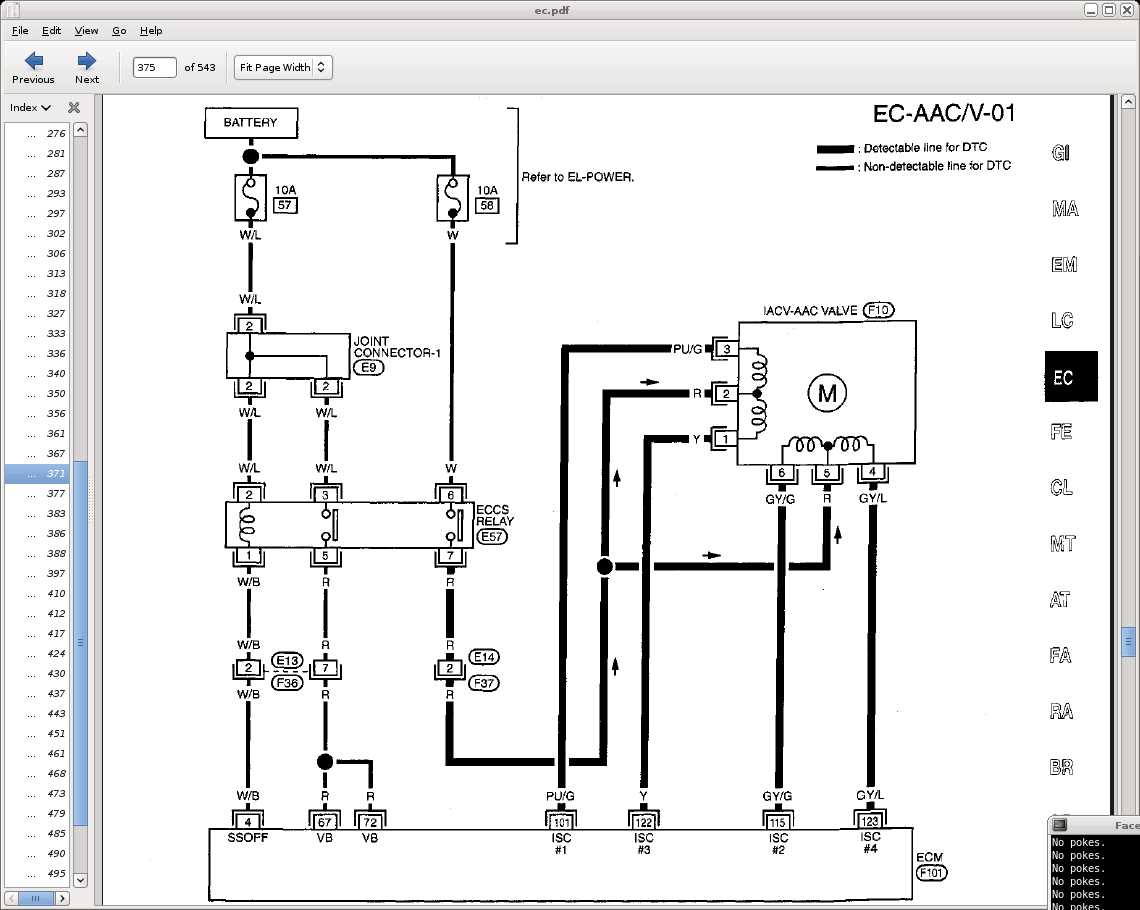
Attach the main power post to the battery positive lead using a 10mm nut, torqued to 18 lb-ft. Ensure the terminal is clean and free from oxidation to maintain steady voltage output. Inspect the cable insulation for cracks or frays to prevent shorts.
Connect the field excitation wire to the small terminal marked “F” or “IG” with a firm push until it clicks. Verify continuity using a multimeter to confirm a solid path from the ignition switch to the control post. Loose connections can cause erratic charging behavior.
 using a multimeter to confirm a solid path from the ignition switch to the control post. Loose connections can cause erratic charging behavior.”>
The regulator sensing lead must attach to the battery feed or junction block marked “S.” Use a terminal lug that fits snugly to avoid intermittent voltage drops. Check the tightness after running the engine for 10 minutes under load.
For grounding, secure the frame lead to an unpainted metal point on the engine bracket. Remove rust and debris before fastening to ensure minimal resistance. Measure resistance from ground to chassis; it should read less than 0.2 ohms.
Use insulated clips to route all sensor and control leads away from the exhaust and moving belts. Maintain at least 2 inches clearance from heat sources. Vibration can loosen terminals, so confirm clips are tight and wires do not rub against edges.
Inspect each terminal for corrosion using a flashlight. Apply dielectric grease on each post to repel moisture and extend connection life. Corroded terminals reduce amperage flow and can trigger warning lights.
After connecting all leads, run the engine and measure voltage at the main post. It should stabilize between 13.8 and 14.4 volts. Verify individual connections under load to ensure no terminal overheats or exhibits voltage drop.
Identifying Key Charging Unit Terminals and Their Functions
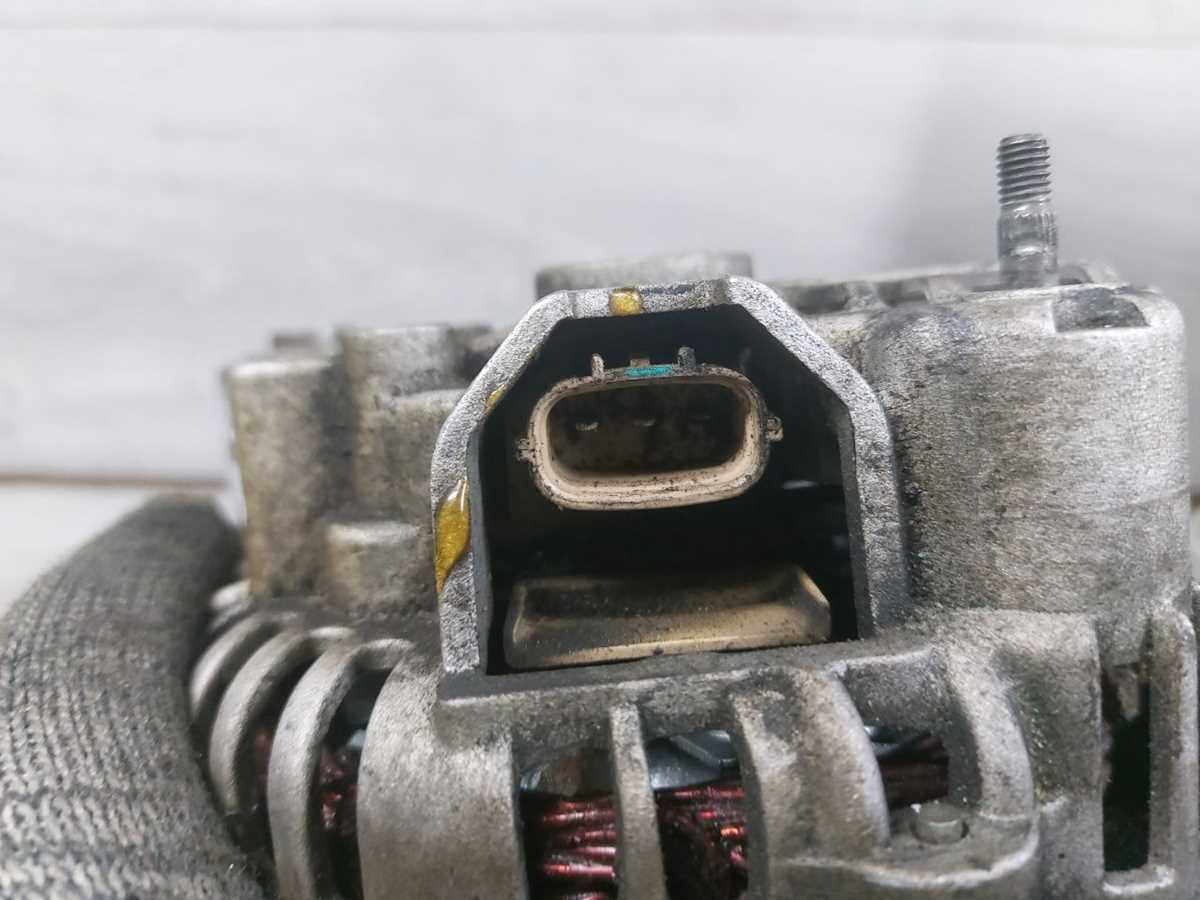
Locate the main output post and attach the battery positive cable directly. This terminal handles the bulk of current flow and must be tightly secured to prevent voltage drop under load. Loose connections can trigger warning lights and reduce charging efficiency.
The ignition input terminal is usually marked “IG” and receives a 12V signal when the key is turned. Verify the voltage reaches 12 volts with a multimeter before securing the connector. Failure here can prevent the unit from activating.
The field terminal controls the internal magnetization coil. Connect the excitation wire firmly to ensure proper output regulation. Intermittent contact can cause fluctuating readings on the dashboard.
The sensing lead, marked “S,” monitors battery voltage to adjust output. Attach it to a point that reflects actual battery potential for accurate regulation. Improper placement can cause undercharging or overcharging.
The ground terminal should contact bare metal on the engine block or chassis. Ensure the connection is corrosion-free for minimal resistance. Even small resistances here can cause erratic performance.
Some units feature a warning light terminal labeled “L.” Connect this to the dashboard indicator to provide visual feedback of charging status. Test the circuit by turning the key on without starting the engine to confirm light functionality.
Additional auxiliary terminals may exist for control or sensing circuits. Check the manufacturer label to identify these accurately. Incorrect connections can damage electronic modules or trigger false alerts.
After all terminals are secured, run the engine and measure voltage at each point. Output should stabilize within the recommended range, and each terminal should show expected readings. Monitor for any abnormal heat buildup or discoloration on connectors.