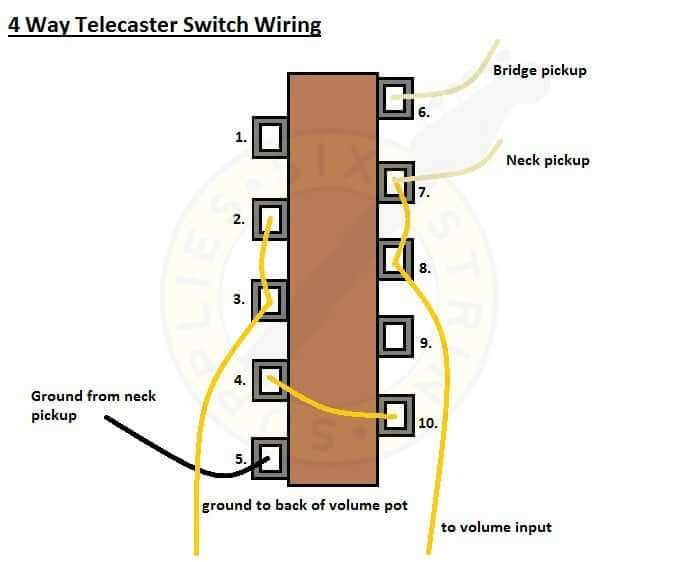
Start by identifying the output terminals on each magnetic coil and connecting them to the selector switch according to the correct sequence. Ensure that the neck and bridge leads are isolated to prevent signal interference, and solder joints are solid to maintain consistent tone transfer.
Use high-quality shielded leads to minimize noise, and route them along the shortest paths without sharp bends. Confirm that the ground connections link to a common point on the control plate to avoid hum loops and maintain stable performance.
Test each position individually before finalizing insulation and mounting. Measure continuity and confirm the expected phase relationships to prevent out-of-phase tones that can weaken the signal.
Label each connection during assembly to simplify future modifications or repairs. Keeping an organized layout reduces the risk of cross-connections and ensures reliable operation across all four tonal options.
Step-by-Step Guide to Four-Position Pickup Connections
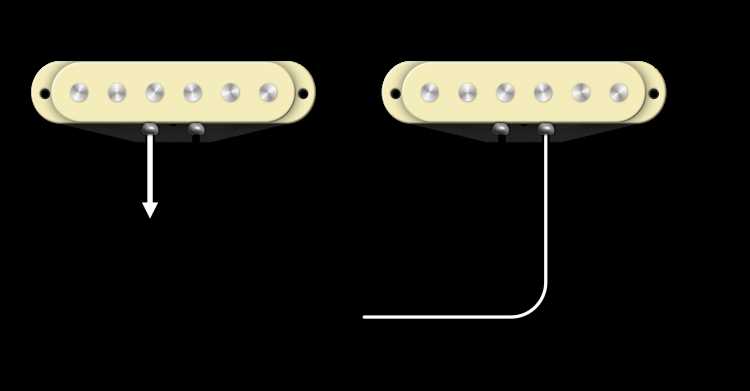
Begin by identifying the output leads from each pickup and confirming polarity with a multimeter. Connect the neck pickup hot lead to the first terminal on the selector switch and secure the ground to the control plate to prevent interference.
Route the bridge pickup hot lead to the opposite terminal, ensuring that the shielding does not contact other metal parts. Use heat shrink tubing on all exposed connections to maintain isolation and avoid accidental shorts during assembly.
For the intermediate position, connect the series link from the bridge to the neck terminal according to the tonal order. Verify that the phase alignment matches the desired combination to maintain signal strength and clarity.
Solder all connections firmly and inspect each joint for cold solder spots, which can cause intermittent output or tone loss. Keep the leads flat against the cavity floor to reduce stress and prevent accidental disconnection when adjusting the switch.
Test each pickup position by plugging into an amplifier before finalizing the mounting. Listen for balanced output and confirm that the selector engages smoothly without introducing hum or crackle between settings.
Label all terminals and document the layout for future maintenance. This ensures that any replacement leads or modifications can be performed quickly without confusion, maintaining consistent tonal performance across all four settings.
Understanding Each Pickup Position and Signal Path
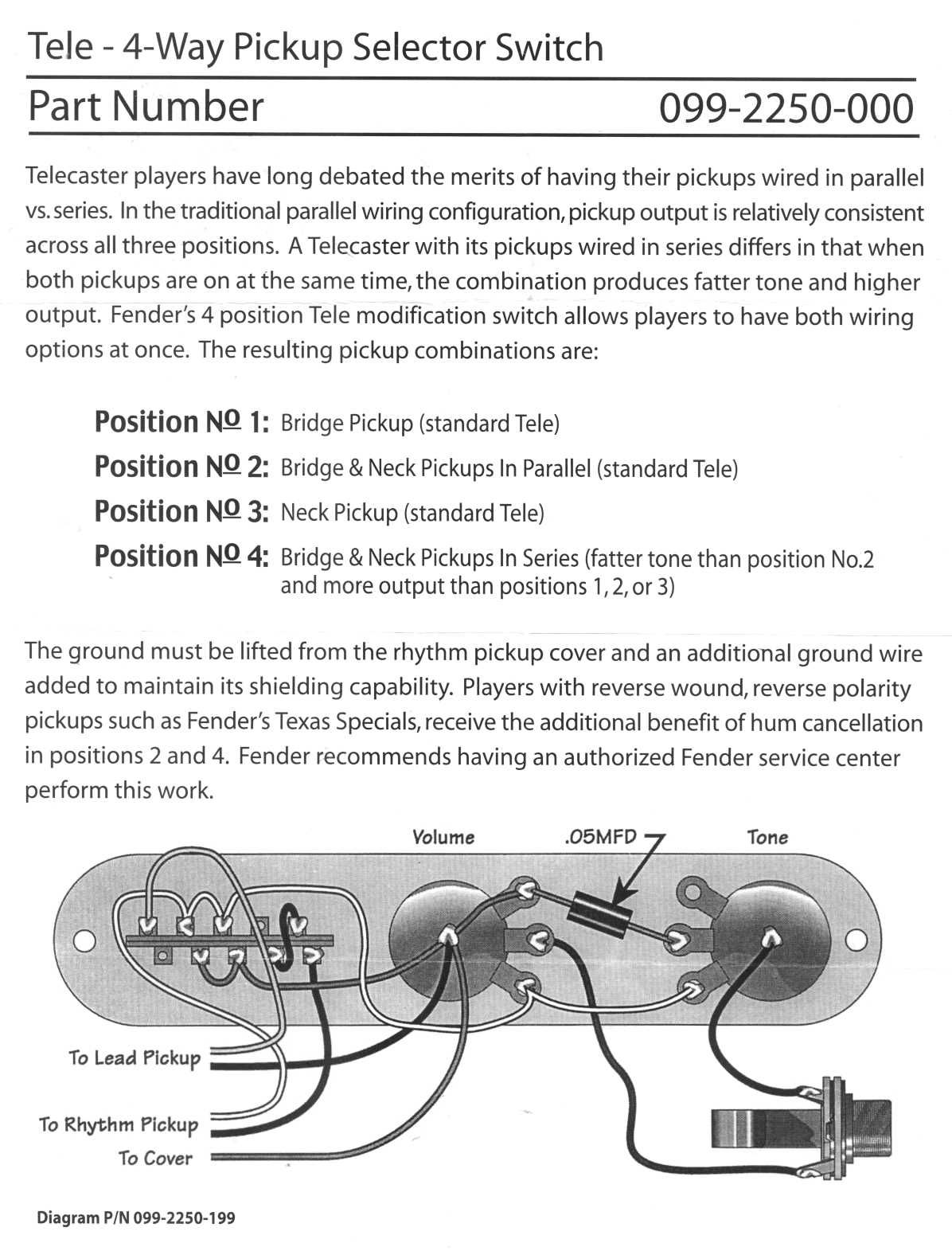
Start by connecting the neck pickup directly to the first selector terminal. This position produces a full, warm tone, with the signal path traveling through the shortest lead to the volume control for maximum clarity.
Next, engage the bridge pickup only to assess its brighter and sharper tonal response. Ensure the lead routing avoids contact with other metallic parts to maintain a clean signal without unwanted hum or interference.
The intermediate setting combines neck and bridge leads in parallel, creating a balanced tone. Confirm that the phase of both pickups aligns to prevent cancellation, which can reduce output and thin the sound.
When using series connection between pickups, the signal path passes sequentially through both units. This generates higher output and a fuller midrange presence, making it suitable for more aggressive playing styles.
Observe the tone variation when switching to blended modes with phase reversal. The signal now travels through opposing polarity, producing a hollow or quacky sound ideal for rhythm patterns and clean passages.
Each selector position should be tested with both passive and active electronics if installed. The path length and lead placement can significantly affect high-frequency response, so minor adjustments may be needed to maintain tonal consistency.
Document the connection sequence for every pickup and its corresponding output terminal. This helps troubleshoot any hum, phase issues, or unexpected tonal shifts, ensuring repeatable setup for all positions.
Finally, verify that shielding and grounding are continuous across all paths. Proper grounding prevents noise from coupling into the signal, maintaining clear and defined sound for each pickup selection.