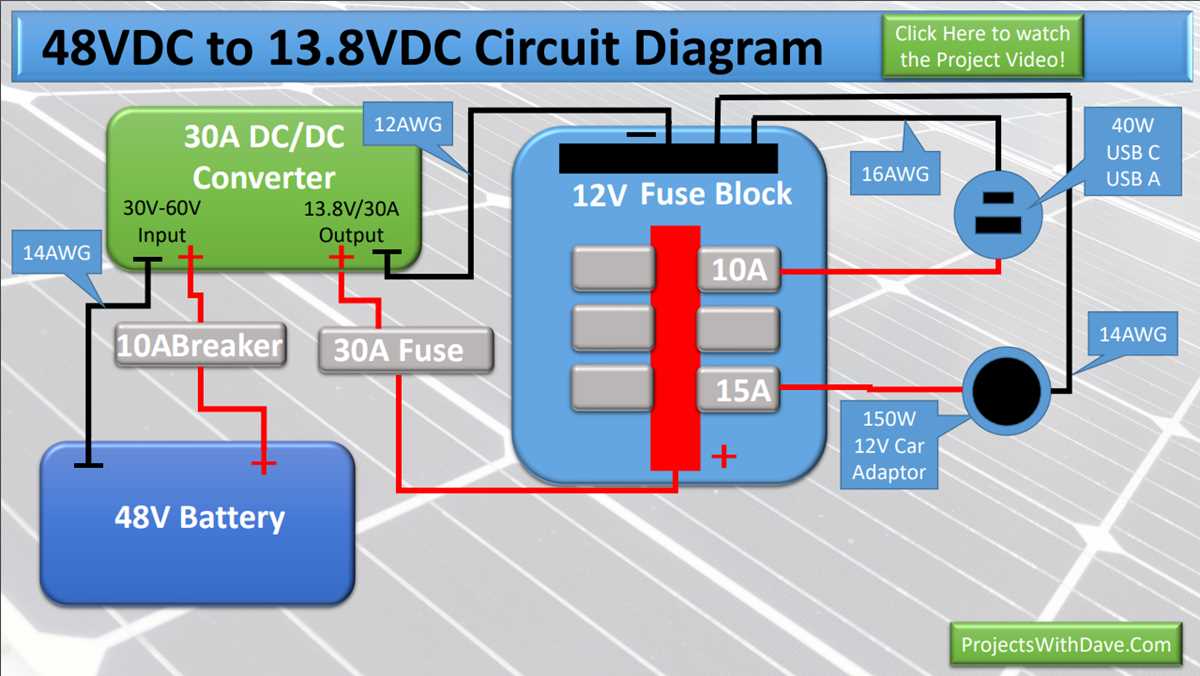
Ensure the input terminals match the source voltage rating before connecting any low-voltage load. Use appropriately rated fuses and connectors to prevent overheating or voltage drop. Check polarity markings on both input and output sides to avoid reverse current damage.
Verify the selection of inductors and capacitors in the module according to the expected load current. Choose low-ESR capacitors to minimize voltage ripple and maintain consistent output under fluctuating load conditions.
Use a heat sink or thermal pad on the switching element if continuous current exceeds manufacturer recommendations. Monitor temperature rise during initial testing to prevent thermal shutdown or permanent component failure.
Integrate a voltmeter across output terminals during initial power-up. Adjust any built-in trim potentiometer gradually to achieve the target low-voltage level without exceeding tolerance limits.
Keep input and output leads as short as practical to reduce parasitic resistance and inductance. Twist wires where possible to minimize electromagnetic interference affecting sensitive loads connected downstream.
Step-Down DC Module Connection and Setup Guide
Connect the high-voltage source to the input terminals ensuring correct polarity. Use a fuse rated slightly above the expected current to protect the module and the source. Keep input wires short and thick enough to prevent voltage drop. Check for secure connections and avoid loose contacts that can cause sparks or intermittent operation.
Attach the low-voltage output to your load through properly rated conductors. Measure the output voltage with a multimeter before connecting sensitive devices and adjust any trim potentiometer gradually to achieve the target value. Consider adding a small capacitor across the output to reduce voltage ripple under dynamic loads and ensure stable performance.
Selecting Compatible Components and Voltage Ratings for the Step-Down Module
Choose input capacitors rated at least 25% higher than the supply voltage to handle potential voltage spikes. Electrolytic types with low ESR provide better filtering and reduce heat buildup during high-current operation.
Inductors should match the expected current load with a saturation rating above the peak current. Air-core or ferrite-core types can be selected based on size constraints, but ensure minimal resistance to avoid efficiency loss.
Select output capacitors with voltage tolerance exceeding the final voltage by 20–30% and consider ceramic multilayer options for transient suppression. This stabilizes voltage under sudden load changes and improves the response of the module.
Switching transistors and diodes must support both voltage and current peaks with a margin of at least 30%. Fast-recovery diodes reduce switching losses and improve thermal stability of the module under heavy loads.
Resistors and potentiometers in the feedback network should have proper wattage ratings and tolerance below 1% if precise output is required. Incorrect ratings can shift voltage regulation and cause instability when loads vary.
Verify thermal ratings of all components and, if needed, add heatsinks or airflow management. Maintaining temperatures below maximum specifications extends lifespan and prevents premature failure in continuous operation.