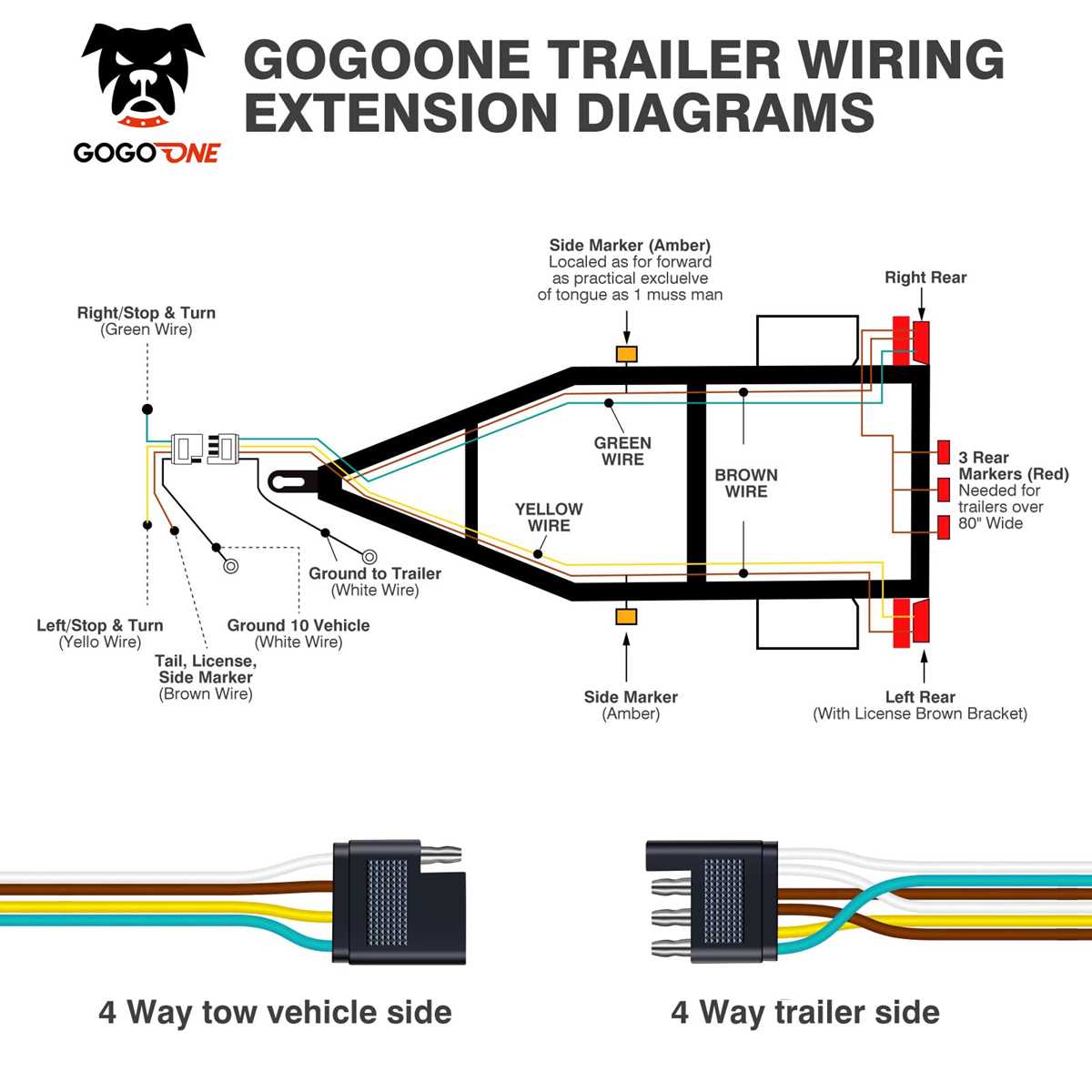
To ensure proper electrical connections for towing, begin by choosing the correct connector for your vehicle and trailer. The 4-pin setup is the most common choice, providing connections for the basic functions: running lights, brake lights, left turn signal, and right turn signal. These essential connections help ensure safe and reliable operation while on the road.
Before starting the installation, confirm that you have the right components: a 4-pin plug, a wiring harness, and the necessary tools. It’s important to understand the function of each pin in the connector, as each one is dedicated to a specific signal. Wire color codes are a key reference, so ensure you correctly match each wire to its corresponding pin.
During installation, carefully route each wire to its designated component, ensuring there are no sharp bends or places where the wire could become damaged. For a secure connection, use the appropriate connectors and ensure all wires are firmly attached. Double-check your work before testing the system to avoid any issues with functionality.
4 Flat Trailer Wiring Diagram
Start by identifying the color codes for the wires you’ll be working with. In a typical 4-pin setup, the common color scheme follows this pattern: brown for the running lights, yellow for the left turn signal, green for the right turn signal, and white for the ground. These color codes ensure that each wire is correctly matched to its corresponding function on both the vehicle and the towed unit.
Next, ensure you have the right equipment to complete the connection. A 4-pin plug, a wiring harness, wire connectors, and electrical tape are necessary. It’s also important to have a multimeter on hand to test the connections for continuity and functionality before finalizing the installation.
Begin by attaching the ground wire (white) to the ground point on the vehicle’s frame. A clean, rust-free area is crucial for ensuring a strong connection. After securing the ground, proceed with connecting the other wires to their respective terminals in the 4-pin connector.
When you connect the yellow and green wires for the turn signals, ensure they are routed properly to the left and right signal lights. You’ll want to check that the wire doesn’t interfere with any moving parts or get pinched along the way, as this could cause malfunction or short circuits.
As you move to the running light connection (brown wire), ensure that the wire is connected to the correct fuse or light system. This will allow the running lights to function when the vehicle’s headlights are turned on, ensuring visibility while towing.
Before you complete the connections, it’s important to test each wire to confirm that everything is properly set up. Use a multimeter to check for continuity and ensure each function works as intended. If any of the components fail, troubleshoot by checking the connections and ensuring that there are no loose or corroded terminals.
Once everything is connected and tested, secure the wires with electrical tape or zip ties to keep them in place. Make sure there’s no excess slack that could get caught on anything while driving, as this could lead to damage or disconnection of the wires.
Finally, check the system by turning on the vehicle’s electrical systems and testing each component: running lights, left and right turn signals, and brakes. If everything is functioning correctly, you’ve successfully completed the electrical connections for your towing setup.
Step-by-Step Guide to Installing a 4 Flat Trailer Connector
Start by gathering the necessary tools and components: a 4-pin connector, wire strippers, electrical tape, crimp connectors, and a multimeter. It’s important to have a clean, clear work environment to avoid any complications during installation.
Next, locate the vehicle’s wiring harness, which will be the connection point for the new setup. Use the vehicle’s manual to find the correct location or consult online resources for specific models. This is typically near the rear of the vehicle, close to the bumper or tow hitch.
Cut the existing wiring where necessary, making sure to leave enough length for new connections. Strip the ends of the wires, exposing about 1/4 inch of bare wire. Make sure you maintain the integrity of each wire to avoid any shorts or faulty connections.
Now, match the wires from the vehicle to the corresponding wires in the connector. Typically, the white wire is for ground, brown is for running lights, yellow is for the left turn signal, and green is for the right turn signal. Secure the connections with crimp connectors and ensure each wire is tightly fitted to its corresponding terminal.
Before sealing the connections, use a multimeter to check each wire. This will ensure that power is being routed correctly through the system and that each component (turn signals, brake lights, etc.) is functioning properly.
Once everything is connected and tested, secure the wires with electrical tape or zip ties to prevent movement during use. Ensure the wires are properly insulated and protected from wear and tear. Finally, attach the 4-pin connector to the vehicle and test the system by activating each light function, including the running lights and turn signals.