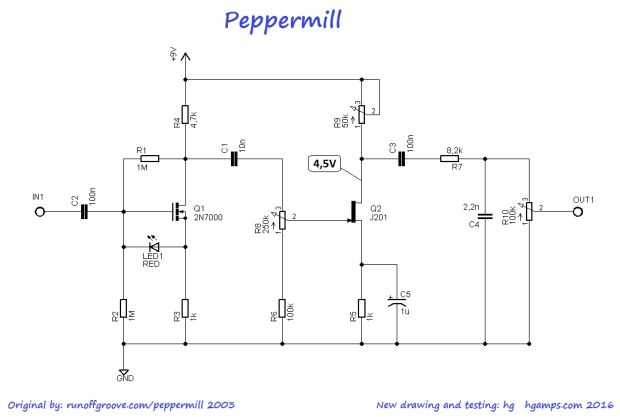
To use the 2N7000 MOSFET for switching low power devices, first ensure that it’s correctly placed in the circuit to control the flow of current. The MOSFET’s gate should be connected to a control voltage that determines whether the device is on or off. A simple pull-down resistor on the gate can help prevent accidental activation from floating voltages.
When working with this component, pay attention to the threshold voltage, which determines when the MOSFET turns on. The 2N7000 has a relatively low gate threshold voltage, making it suitable for logic-level switching in a variety of low voltage circuits. Ensure that your control voltage is sufficiently above the threshold voltage to fully activate the MOSFET and achieve a low-resistance path between the drain and source.
For applications that require signal amplification or switching of higher currents, make sure to use the 2N7000 within its rated limits. It can switch currents up to 200mA, so ensure that the load is within that range to avoid damaging the transistor. Additionally, including a suitable heat sink or using the MOSFET in a well-ventilated area can prevent overheating when operating near maximum current levels.
2N7000 Circuit Diagram Guide
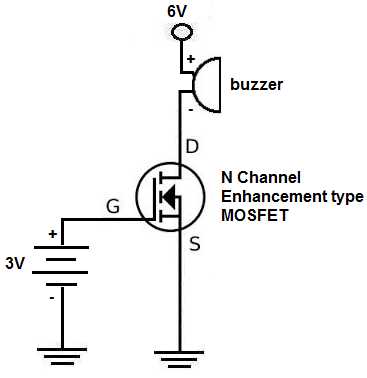
To build a reliable switching system using the 2N7000 MOSFET, connect the source terminal to ground and the drain to the load you wish to control. The gate should be driven by a control signal that’s above the threshold voltage, typically around 1-2V, depending on the MOSFET’s specifications. This will switch the MOSFET on, allowing current to flow between the drain and source. If using a microcontroller or logic circuit for the control signal, ensure that the gate voltage is well within the logic-level voltage range.
If you plan to use the 2N7000 to switch higher currents, add a current-limiting resistor between the gate and the driving source to prevent excess current from damaging the transistor. Additionally, include a pull-down resistor (typically 10kΩ) on the gate to ensure it remains low when no control signal is applied. This prevents the MOSFET from accidentally turning on due to floating voltages. For higher-power applications, consider heat dissipation methods, as the MOSFET may generate heat under load conditions.
How to Use 2N7000 MOSFET for Switching Low Power Loads
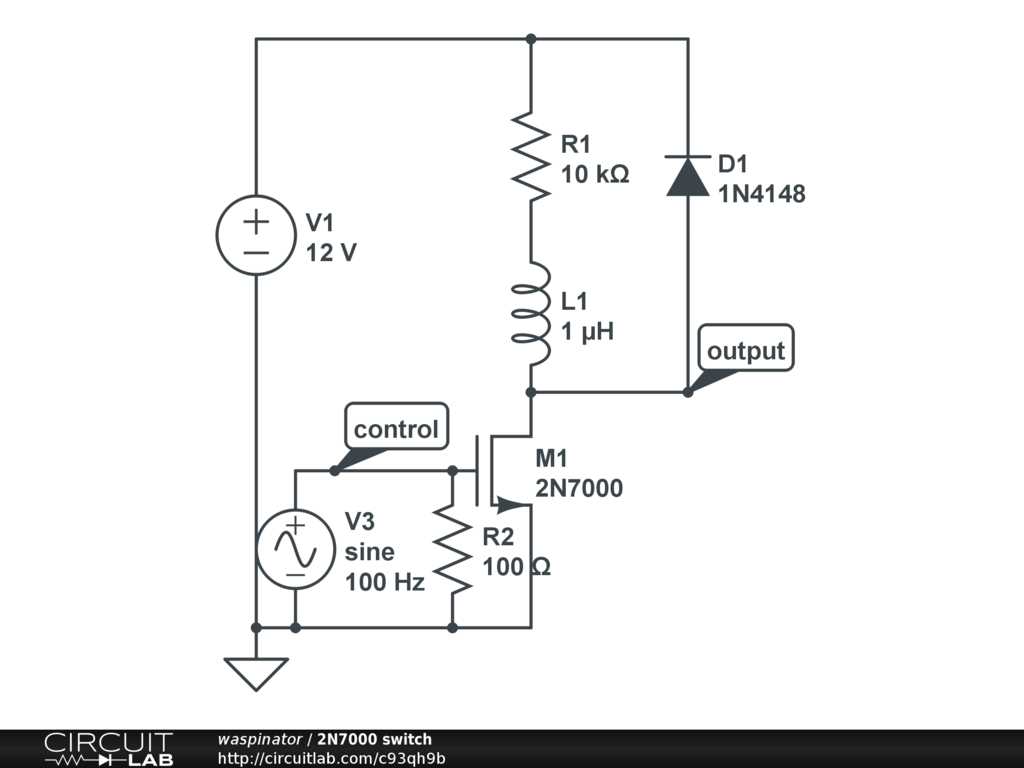
Start by connecting the source pin of the MOSFET to ground. The drain should be connected to the negative side of the load, while the positive side of the load goes to the supply voltage. This basic connection allows the MOSFET to act as a switch, controlling the flow of current through the load when the gate voltage is sufficient.
The gate voltage is the key to switching the MOSFET on and off. For typical low-power applications, ensure that the gate receives a logic-level signal, usually between 3V and 5V, which will turn the device on. A voltage below the threshold will keep the MOSFET off, preventing any current from flowing through the load.
It is recommended to use a current-limiting resistor between the gate and the control signal to protect both the MOSFET and the control source from excessive current. A 220Ω to 1kΩ resistor is commonly used to prevent excessive current draw while still allowing a sufficient gate voltage to turn the MOSFET on.
To prevent the gate from floating when no control signal is applied, place a pull-down resistor (typically 10kΩ) between the gate and ground. This ensures that the MOSFET stays off when no active control voltage is present, avoiding accidental activation due to noise or static voltage buildup.
If your load requires switching higher currents, make sure to select a MOSFET that can handle the expected current without overheating. The 2N7000 is rated for up to 200mA, which is suitable for many small devices, but may not be enough for larger loads. For high-current applications, consider adding a heatsink or using a MOSFET with a higher current rating.
To improve switching speed, particularly for digital circuits, place a small capacitor (10nF to 100nF) between the gate and ground. This helps speed up the transition between on and off states by reducing the gate capacitance, which can slow down the switching time if left unchecked.
Test your setup by applying the control signal and measuring the voltage across the load. If the MOSFET is properly activated, the voltage across the load should be close to the supply voltage, indicating that the device is conducting. If there is little or no voltage across the load, check the gate voltage and ensure it is above the threshold level for the MOSFET.
Finally, always consider safety when working with MOSFETs in switching applications. Use proper insulation, ensure all connections are secure, and double-check the component ratings to prevent failures. For sensitive loads, include a diode in parallel to protect against voltage spikes that might occur when switching inductive loads like motors or solenoids.