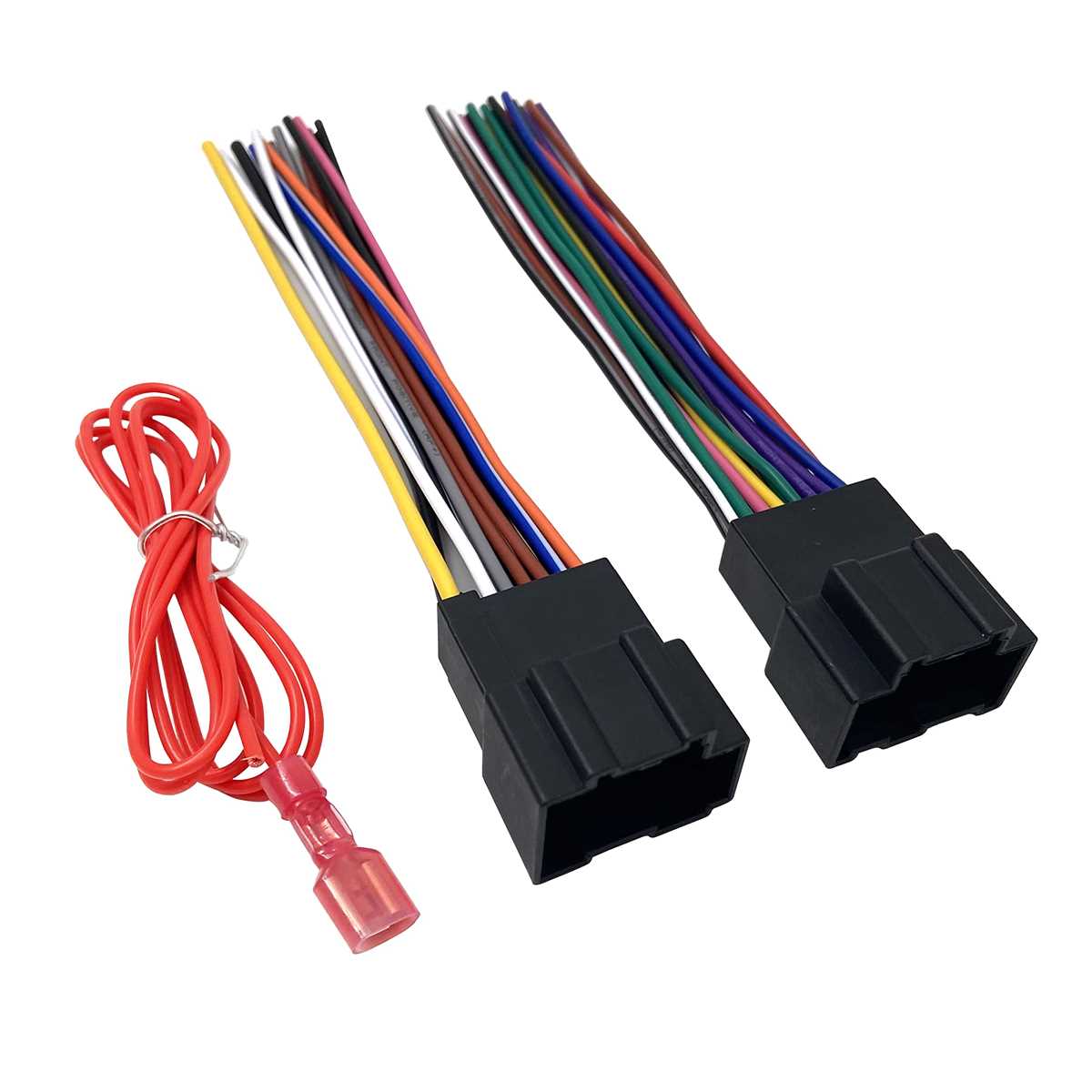
Check the radio harness connector behind the dashboard before installing a new head unit. The factory plug usually contains power supply, ground, accessory voltage, illumination control, and eight speaker leads. Verifying these lines with a multimeter prevents damage to the audio unit and vehicle electronics.
The constant power line normally carries 12 volts at all times and maintains memory settings for the audio receiver. The accessory line provides voltage only when the ignition key is in ACC or RUN position. Ground connects directly to the chassis through the vehicle electrical network and should show near zero resistance relative to body metal.
Speaker leads appear in color pairs that identify channel and polarity. Front left, front right, rear left, and rear right outputs each use two conductors where the solid color wire acts as positive and the same color with a black stripe serves as negative. Matching polarity between the head unit and door speakers keeps sound phase correct and avoids weak bass response.
Use a vehicle-specific harness adapter instead of cutting the factory plug. This adapter connects the aftermarket audio receiver to the original connector through color-matched leads. The method keeps the vehicle harness intact and allows quick return to the original audio unit if needed.
2011 Silverado Stereo Wiring Diagram with Radio Connector Pinout and Speaker Wire Colors
Remove the dashboard trim panel and inspect the factory radio connector before connecting an aftermarket head unit. The plug normally carries power supply lines, chassis ground, ignition accessory voltage, illumination control, and eight conductors leading to door speakers.
Radio Connector Pin Functions
Common electrical lines found in the factory audio plug include:
- Constant 12V supply maintaining memory settings
- Accessory voltage active only with ignition key in ACC or RUN
- Chassis ground connected to vehicle body
- Illumination lead adjusting radio backlight with dashboard lighting
- Antenna or amplifier trigger activating external antenna amplifier
Measure the constant power conductor using a multimeter before connecting a replacement audio receiver. The line should read close to 12–12.6 volts regardless of ignition position. If voltage drops below that range, inspect fuse box connections and harness continuity.
Door Speaker Conductor Colors
The factory audio system routes separate conductor pairs to each speaker location:
- Front left channel – tan positive and gray negative
- Front right channel – light green positive and dark green negative
- Rear left channel – brown positive and yellow negative
- Rear right channel – dark blue positive and light blue negative
Each pair must keep correct polarity. Reversing positive and negative leads causes phase cancellation that weakens bass output and shifts sound balance across the cabin.
Use a vehicle harness adapter when installing an aftermarket receiver. The adapter converts the factory connector into color-matched leads that match the new audio unit harness. This approach avoids cutting the original cable assembly.
Secure connections using crimp connectors or solder joints with heat-shrink insulation. Loose connections create intermittent speaker output and may introduce noise from the vehicle electrical system.
After completing the installation, switch the ignition to ACC and verify that all four speakers operate correctly, the radio memory remains active after key removal, and the antenna amplifier lead powers the roof antenna module.
Factory Radio Connector Pinout and Power Ground Accessory Wire Locations in 2011 Silverado
Locate the factory audio connector behind the dashboard head unit cavity and verify power lines before attaching a replacement receiver. The plug typically contains constant battery supply, ignition accessory voltage, chassis ground, illumination control, and antenna trigger conductors.
The constant battery line maintains memory for clock settings and radio presets. This conductor normally carries 12 volts at all times, regardless of ignition position. Measure it with a multimeter between the wire and body metal to confirm stable voltage.
The ignition accessory conductor activates the audio receiver only when the key moves to ACC or RUN position. Voltage on this line usually appears between 12 and 12.6 volts once the ignition switch closes the accessory contact.
Power and Ground Pin Identification
The primary electrical supply connections usually include:
Orange wire carrying constant battery voltage.
Yellow or red wire delivering accessory voltage from the ignition switch.
Black wire connected to chassis ground inside the dashboard structure.
Ground continuity should measure less than 0.1 ohm when checked between the black conductor and exposed metal on the vehicle body. Higher resistance indicates corrosion at a ground junction or a damaged harness segment.
Additional Control Conductors
Other connections found in the factory plug support radio functions:
Gray wire linked to dashboard illumination control.
Blue wire activating the antenna amplifier or external amplifier module.
Data communication lines linking the head unit with vehicle control modules.
Route the replacement head unit harness through a vehicle-specific adapter rather than cutting the factory connector. This method preserves the original cable assembly and prevents accidental cross-connection of power and signal lines.
After reconnecting the harness, switch the ignition to ACC and verify three conditions: the audio receiver powers on, memory settings remain stored after key removal, and dashboard lighting changes radio backlight intensity.