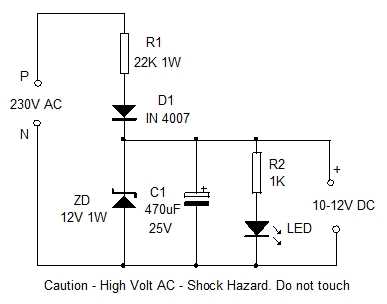
Start by selecting the right components for converting alternating current (AC) to direct current (DC). The key parts you’ll need include a transformer, rectifier diodes, and a filter capacitor. The transformer adjusts the AC voltage to a suitable level, while the diodes convert the AC into pulsating DC. Finally, the filter capacitor smooths out the ripples in the voltage, ensuring a steady flow of power.
Carefully follow the correct wiring order, beginning with the input AC source and leading to the transformer. The rectifier diodes should be wired in a bridge configuration to maximize efficiency. Once the AC has been rectified, use the capacitor to filter any fluctuations in the output signal. Make sure the capacitor is rated for the correct voltage to avoid failure or damage to your components.
If you’re building this system for a specific project, be sure to measure the output voltage with a multimeter before connecting any sensitive equipment. This ensures that the voltage is steady and meets the required specifications. Testing is an important step to avoid damage and ensure the reliability of your power supply.
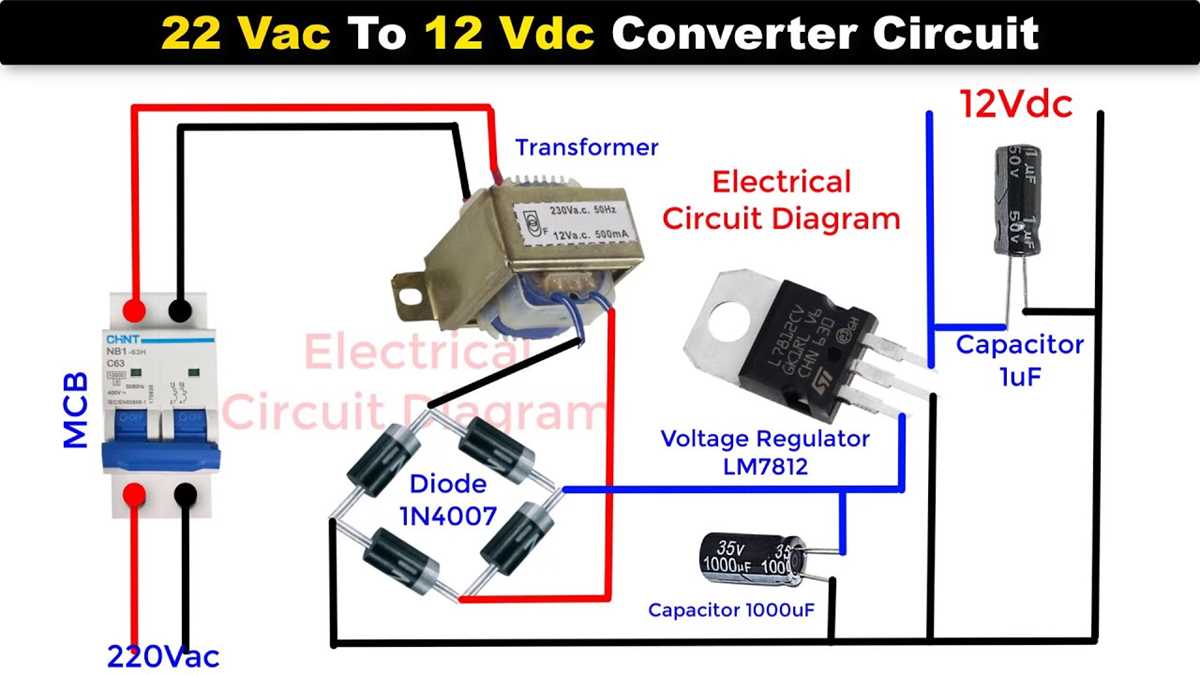
Building an AC to DC Power Supply for 12V Applications
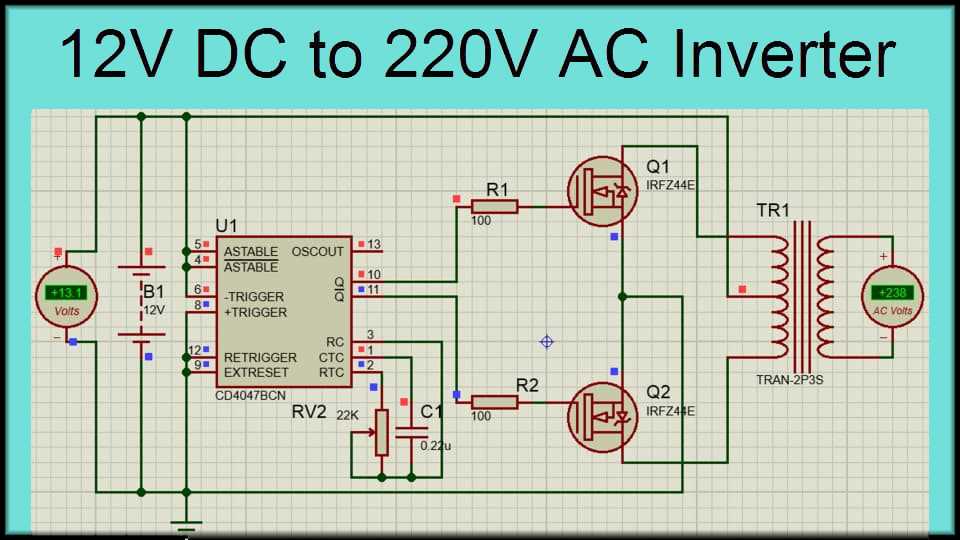
To convert alternating current to a steady direct current, start by selecting a transformer that can step down the AC voltage to the desired level. Next, use a full-wave bridge rectifier, consisting of four diodes, to convert the AC signal into pulsating DC. The rectifier’s output will have a ripple that needs smoothing. This can be achieved by connecting a filter capacitor in parallel with the load. The size of the capacitor should be chosen based on the current draw and the acceptable level of ripple.
Once the basic components are in place, ensure the output voltage is stable by measuring it with a multimeter. The capacitor will smooth out most of the ripple, but you may need to fine-tune the design depending on the application. In some cases, adding additional filtering or using a voltage regulator can help achieve a more consistent output. This simple setup is ideal for powering devices that require a reliable 12V DC supply from an AC source.
Understanding the Components Needed for the Converter
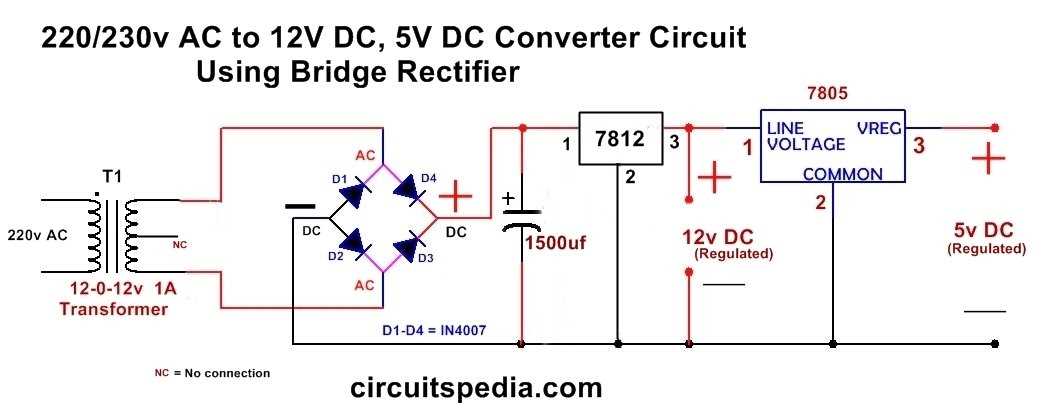
The first component you need is a transformer, which adjusts the input voltage to a level suitable for your needs. The transformer reduces the AC voltage to the desired level before passing it to the rectifier. It is crucial to choose a transformer with the correct ratings, matching the input AC voltage and the required output voltage.
The next key components are the diodes. A full-wave bridge rectifier requires four diodes connected in a bridge configuration to convert alternating current into pulsating direct current. Ensure the diodes are rated for the voltage and current that the system will handle to prevent overheating and failure.
Following the rectification process, a filter capacitor is needed to smooth out the ripple in the DC output. The capacitor size should be chosen based on the current demand and the acceptable level of ripple in the output signal. A larger capacitor will reduce ripple more effectively but may take up more space and increase cost.
If your application requires a very stable voltage, you may also need a voltage regulator. This component ensures that the output voltage remains constant, even with fluctuations in load or input voltage. It is particularly important when powering sensitive electronics or circuits that require a steady and clean voltage supply.